CM Conrad Sangma Champions Responsible Journalism on National Press Day
Synopsis
On National Press Day 2026, Meghalaya Chief Minister Conrad Sangma addressed the Shillong Press Club, calling on journalists to prioritise truth and analysis over noise, and reaffirming the state government's commitment to journalist welfare and professional development.
Key Takeaways
Conrad Sangma spoke at the Shillong Press Club 's National Press Day celebration on 16 November 2026 .
He called on journalists to prioritise 'truth, research and meaningful analysis' over chasing the information cycle.
The Chief Minister reaffirmed the Meghalaya government's commitment to journalists' welfare, training, and professional growth.
National Press Day marks the founding of the Press Council of India on 16 November 1966 .
Sangma highlighted the media's role in strengthening democracy through 'constructive criticism and accountability.'
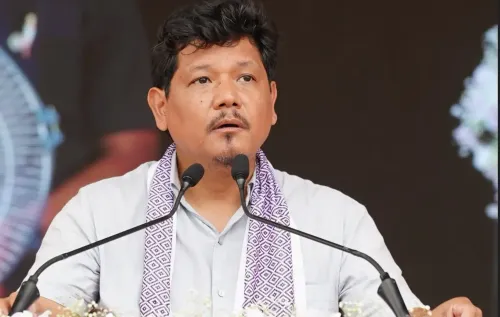
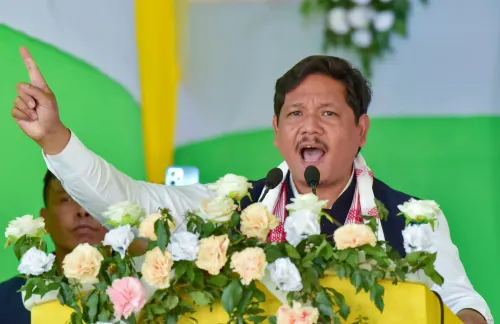
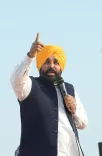
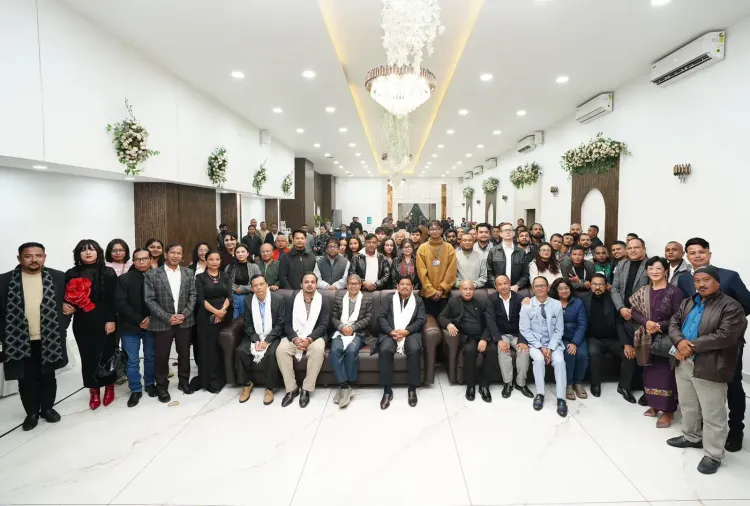
Truth, research, and meaningful analysis over noise — that was Meghalaya Chief Minister Conrad Sangma's message to the press on National Press Day, 16 November 2026, as he addressed journalists at the Shillong Press Club's annual celebration in Shillong.
Sangma's call: cut through the noise, hold the line on credibility
Speaking at the event, the Chief Minister urged the media to rise above the churn of the information age. 'In an age of information overload, the media must distinguish itself through truth, research and meaningful analysis rather than chase the noise,' he said. It is a diagnosis that resonates well beyond Meghalaya — in an era of viral misinformation and social-media-driven cycles, the pressure on journalists to prioritise speed over substance has never been sharper.
Sangma also reaffirmed the state government's commitment to supporting journalists' welfare, training, and professional growth — though specific schemes or allocations were not detailed at the event. He underlined that the press remains indispensable to democracy, its value lying in 'constructive criticism and accountability.'
National Press Day and the Press Council's six-decade legacy
National Press Day is observed every year on 16 November to mark the founding of the Press Council of India in 1966 — a statutory body set up to preserve the freedom of the press and maintain journalistic standards. Six decades on, the day has become a nationwide flashpoint for conversations about press freedom, media ethics, and the evolving relationship between governments and newsrooms.
State-level engagements like Sangma's address at the Shillong Press Club are a regular feature of National Press Day, with chief ministers and senior officials using the platform to signal their administration's posture toward the regional press. Meghalaya governments have historically maintained working relationships with the club, participating in discussions on journalist welfare and training in India's Northeast.
Why the Northeast media landscape makes this more than ceremony
For journalists operating in Meghalaya and the broader Northeast, questions of welfare, safety, and professional development carry a weight that goes beyond symbolic. Regional reporters often work with limited institutional support, navigating complex terrain — both geographical and political. A chief minister's public pledge to invest in journalist training and welfare, even if still at the intent stage, sets an expectation the press can hold the administration to.
Sangma, who also serves as the national president of the National People's Party (NPP), closed with wishes for a 'very Happy National Press Day' — a gesture that, on its own, would be routine. Paired with the substance of his remarks, it lands as a reminder that the relationship between democratic governments and a free press is not a given. It has to be tended.
Point of View
Signalling a willingness to accept scrutiny rather than deflect it. Whether the stated commitment to journalist welfare translates into concrete schemes will be the real test, particularly in a state where regional journalists often work without the institutional safety nets available in larger metros. The speech adds to a growing national conversation about media credibility in an age of information overload, one that state governments can no longer afford to leave entirely to the Centre.
NationPress
16 Nov 2026
Frequently Asked Questions
What is National Press Day and when is it celebrated?
National Press Day is observed every year on 16 November in India. The date commemorates the founding of the Press Council of India in 1966 , a statutory body established to uphold press freedom and journalistic standards.
What did Conrad Sangma say on National Press Day 2026?
Meghalaya Chief Minister Conrad Sangma urged journalists at the Shillong Press Club to prioritise truth, research, and meaningful analysis over the noise of information overload, and reaffirmed the government's commitment to journalists' welfare, training, and professional growth.
What is the Shillong Press Club?
The Shillong Press Club is a media organisation based in Shillong, Meghalaya , that organises events including the annual National Press Day celebration attended by state leaders and journalists.
Who is Conrad Sangma?
Conrad Sangma is the Chief Minister of Meghalaya and the national president of the National People's Party (NPP) , a regional political party prominent in Northeast India.
What welfare commitments did the Meghalaya government make for journalists?
Chief Minister Conrad Sangma reaffirmed the government's commitment to supporting journalists' welfare, training, and professional growth at the National Press Day event, though specific schemes or financial details were not announced at the celebration.