CM Conrad Sangma Disburses ₹101 Cr to 4,500+ Entrepreneurs via ELEVATE
Synopsis
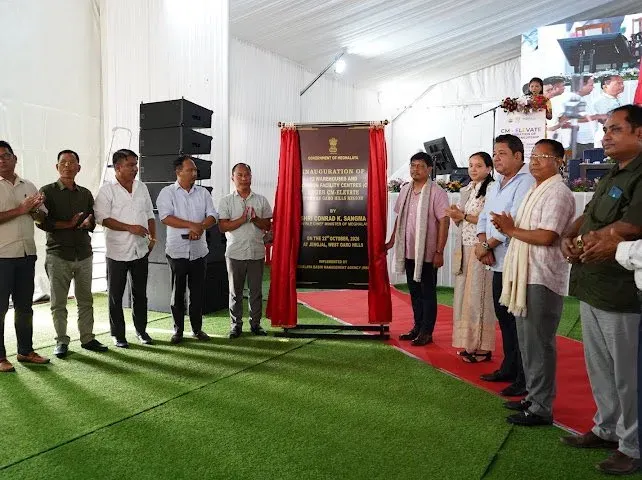
Meghalaya CM Conrad Sangma disbursed ₹101.31 crore to over 4,500 entrepreneurs under CM ELEVATE at Jengjal, West Garo Hills. The event also saw the launch of 14 Common Facility Centres, 12 warehouses, and 171 waste collection vehicles for the Garo Hills region.
Key Takeaways
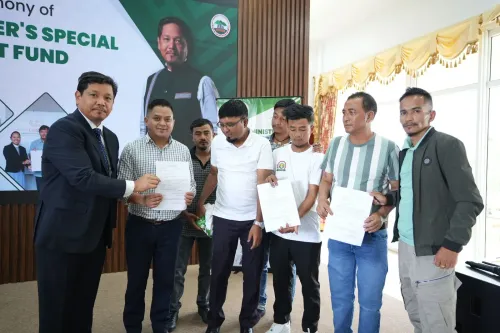
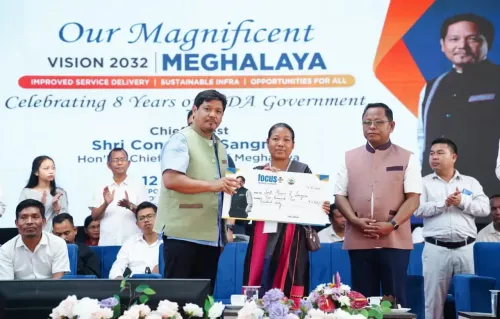
628 entrepreneurs received sanction orders and cheques at the CM ELEVATE event in Jengjal, West Garo Hills District on 22 October 2026 .
Cumulative CM ELEVATE figures: 4,500+ entrepreneurs approved , ₹178.79 crore sanctioned , and ₹101.31 crore disbursed across nine schemes.
14 Common Facility Centres were launched, providing shared production and processing infrastructure for micro-entrepreneurs.
12 warehouses were inaugurated to reduce distress selling by giving farmers and producers storage capacity.
171 waste collection vehicles were flagged off to serve all five districts of the Garo Hills region .
The interventions target regionally balanced growth in the tribal Garo Hills, historically underserved compared to the capital Shillong.
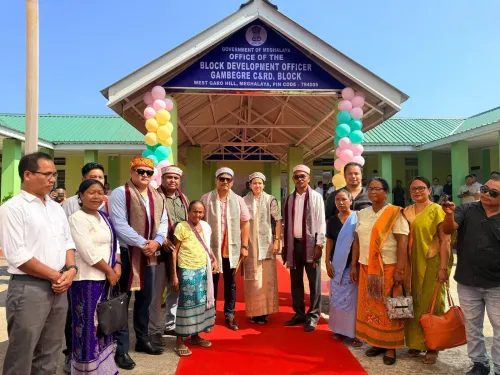
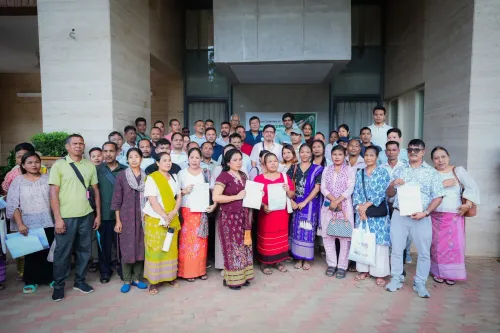
A district in Meghalaya's tribal heartland became the stage for one of the state's most ambitious entrepreneurship pushes yet — Meghalaya Chief Minister Conrad Sangma presided over the CM ELEVATE – Celebration of Entrepreneurship program at Jengjal, West Garo Hills District on Thursday, 22 October 2026, where 628 entrepreneurs walked away with sanction orders and cheques in hand.
628 entrepreneurs, nine schemes, one afternoon in Jengjal
The Jengjal event was a culmination exercise as much as a launch: beneficiaries from across West Garo Hills received direct disbursements under nine separate schemes nested within the CM ELEVATE umbrella. Sangma confirmed that across all CM ELEVATE schemes to date, over 4,500 entrepreneurs have been approved, with a total sanction of ₹178.79 crore and actual disbursements reaching ₹101.31 crore — meaning roughly 57 paise of every sanctioned rupee has already reached beneficiaries, a disbursal ratio that signals operational momentum rather than paper promises.
14 Common Facility Centres, 12 warehouses, and 171 waste vehicles flagged off
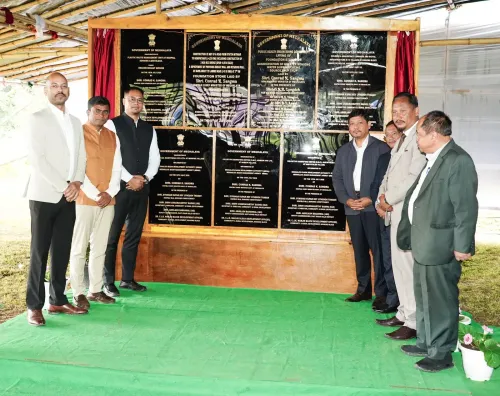
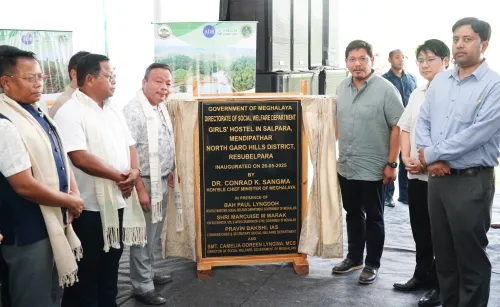
Beyond the cheque-distribution, the event packed in a significant infrastructure sprint. The Chief Minister launched 14 Common Facility Centres (CFCs) — shared production and processing hubs that give micro-entrepreneurs access to equipment they could not individually afford — and inaugurated 12 warehouses designed to give farmers and small producers a buffer against distress sales. Simultaneously, 171 waste collection vehicles were flagged off to serve the five districts of the Garo Hills region, addressing the civic infrastructure gap that rural enterprise corridors often leave unresolved.
Why Garo Hills keeps anchoring Meghalaya's development calendar
The concentration of resources in Garo Hills is deliberate policy, not coincidence. The region's predominantly tribal, rural economy has historically lagged behind the Khasi Hills and the capital Shillong, and successive state governments have used targeted interventions to close that gap. The National People's Party-led administration under Sangma has framed CM ELEVATE as its signature vehicle for that rebalancing — combining self-employment finance with physical assets like CFCs and cold-chain-adjacent warehousing to build market linkages rather than just dispersing credit.
Sangma described the day's intent plainly: 'We are investing in infrastructure, supporting entrepreneurs and farmers, strengthening market linkages and creating sustainable livelihood opportunities for our people.' The 171 waste vehicles add a sanitation-economy dimension — a reminder that the circular economy of rural Northeast India depends as much on functional solid-waste logistics as on credit access.
The real test now is utilisation: whether the CFCs fill to capacity, the warehouses integrate into local supply chains, and the approved-but-undisbursed ₹77.48 crore gap between sanctions and actual payments closes in the coming months — that will determine whether Jengjal was a milestone or a photo-op.
Point of View
Which is more aligned with how successful rural enterprise ecosystems actually function. The heavy focus on Garo Hills is both a political signal to a key constituency and a structurally sound response to regional disparity. However, the ₹77-crore gap between sanctions and disbursements warrants scrutiny — approval-to-utilisation ratios are the graveyard of many well-intentioned northeastern schemes. Conrad Sangma's dual role as state CM and national NPP president means these visible deliverables also feed a broader narrative of governance credibility ahead of any future electoral cycle.
NationPress
22 Oct 2026
Frequently Asked Questions
What is CM ELEVATE in Meghalaya?
CM ELEVATE is the Meghalaya government's flagship entrepreneurship programme that provides financial assistance and infrastructure support to small and micro-entrepreneurs across the state under multiple sub-schemes.
How much money has been disbursed under CM ELEVATE so far?
As of 22 October 2026 , ₹101.31 crore has been disbursed to beneficiaries, out of a total sanction of ₹178.79 crore approved for over 4,500 entrepreneurs.
What are Common Facility Centres launched in Garo Hills?
Common Facility Centres (CFCs) are shared infrastructure hubs where small entrepreneurs can access processing, production, or other equipment collectively, reducing individual capital requirements.
Why are 171 waste collection vehicles being deployed in Garo Hills?
The 171 waste collection vehicles were flagged off to strengthen solid-waste management across all five districts of the Garo Hills region , addressing civic infrastructure gaps that affect both living conditions and the broader rural economy.
Who is Conrad Sangma and which party does he lead?
Conrad Sangma is the Chief Minister of Meghalaya and the national president of the National People's Party (NPP) , a regional party active in Northeast India founded by his father, P.A. Sangma.