CM Conrad Sangma distributes 372 tablets in Garo Hills
Synopsis
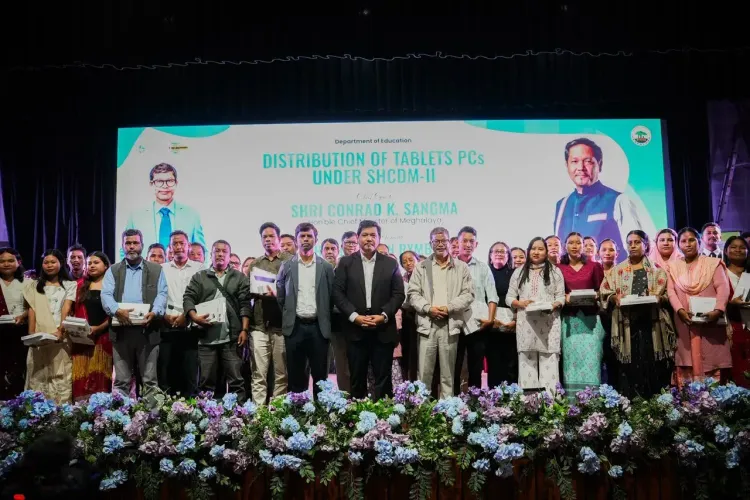
Meghalaya Chief Minister Conrad Sangma said 372 tablet PCs were distributed to Block and Cluster Resource Centres across the Garo Hills at a Tura conclave. He framed the devices as tools for real-time monitoring and faster decisions, urging officials to convert technology into better learning outcomes for children.
Key Takeaways
Meghalaya Chief Minister Conrad Sangma said 372 tablet PCs were distributed to BRCs and CRCs across the Garo Hills .
He said the hand-over took place during a CRC and BRC Conclave in Tura on 28 November 2026 under SHCDM-II .
He said the tablets would strengthen grassroots monitoring and enable real-time data collection for faster decisions.
BRCs and CRCs are field units supported under the Samagra Shiksha Abhiyan since 2018 .
Sangma urged that technology be used to improve learning outcomes for every child in Meghalaya .
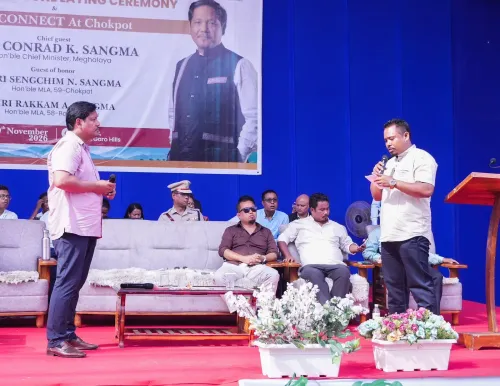
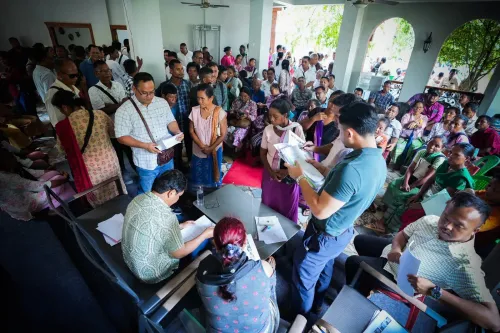
Meghalaya Chief Minister Conrad Sangma walked into a Tura conclave on Saturday, 28 November 2026 with a hardware argument, not a slogan. He said he had distributed 372 tablet PCs to Block Resource Centres and Cluster Resource Centres across the Garo Hills — devices meant to pull school data off delayed paper trails and onto officials' screens in real time.
In the post, Sangma said the tablets went out under SHCDM-II during the CRC and BRC Conclave in Tura. They will, he wrote, 'strengthen grassroots monitoring, enable real-time data collection and help our education officials make more informed and timely decisions.' The pitch was blunt: a promise on education has to show up as action.
372 tablets for the block and cluster layer
BRCs and CRCs sit in the unglamorous middle of India's school system — close enough to classrooms to see problems, far enough to feed a district. Handing them 372 tablets is an attempt to make that middle layer faster. Tura, headquarters of West Garo Hills, hosted the gathering; the wider Garo Hills in western Meghalaya are home to the Garo tribal community and a scatter of schools that officials often reach only after long hill journeys.
That geography is the point. When a cluster officer's report travels by road and register, a leaking roof or a missing teacher can sit unseen for weeks. A tablet is supposed to collapse that lag.
Samagra Shiksha already built this spine
The architecture is not new. The Samagra Shiksha Abhiyan, rolled out in 2018, funds Block and Cluster Resource Centres as academic-support and data nodes for schools. The Tura drop tries to digitise that existing backbone rather than invent another. Meghalaya has been adding such tools in tribal and hilly districts, part of a wider Northeast pattern of using technology to keep remote school networks visible to the state.
Use the tool, he said — then prove the learning
The Chief Minister, also national president of the National People's Party, refused to treat the gadgets as the win. 'Technology is an important tool, but what matters most is how we use it to improve learning outcomes and secure a better future for every child,' he wrote. He called on everyone to work together for a stronger education system in Meghalaya.
Students and field officials in the Garo Hills are the ones who will feel whether this works. The next marker is not another conclave photograph. It is whether tablet-led monitoring tightens decisions — and whether classrooms actually improve. That is the scoreboard.
Point of View
Loading tablets onto the BRC and CRC layer rather than only polishing a state dashboard. That move sits on the Samagra Shiksha spine created in 2018 and matches a Northeast pattern of using digital tools to beat terrain and distance. Device counts are easy to announce; learning outcomes are not. The Tura drop will count only if subsequent monitoring actually changes what children in Garo Hills classrooms experience.
NationPress
28 Nov 2026
Frequently Asked Questions
How many tablets did Conrad Sangma distribute in Garo Hills?
Meghalaya Chief Minister Conrad Sangma said 372 tablet PCs were distributed to Block Resource Centres and Cluster Resource Centres across the Garo Hills. He linked the hand-over to a CRC and BRC Conclave in Tura.
What did Conrad Sangma announce at the Tura education conclave?
He said tablet PCs had been given to BRCs and CRCs to strengthen grassroots monitoring and enable real-time data collection. He also called on officials and communities to work together for a stronger education system in Meghalaya.
What are BRCs and CRCs in Meghalaya schools?
Block Resource Centres and Cluster Resource Centres are field units that support academic monitoring and data work for groups of schools. They are backed nationally through the Samagra Shiksha Abhiyan, launched in 2018.
Why is Meghalaya giving tablets to education resource centres?
According to Conrad Sangma, the devices are meant to help education officials collect data in real time and take more informed, timely decisions. He said technology matters only if it improves learning outcomes for children.
Where is Tura in Meghalaya?
Tura is the headquarters of West Garo Hills district in western Meghalaya. Sangma said the CRC and BRC Conclave and the tablet distribution were held there.