Nagaland CM Rio hails homecoming of 39 ancestral remains from UK
Synopsis
Nagaland CM Neiphiu Rio called the homecoming of 39 ancestral human remains from the UK a restoration of Naga identity, history and collective memory, not a mere museum transfer.
Key Takeaways
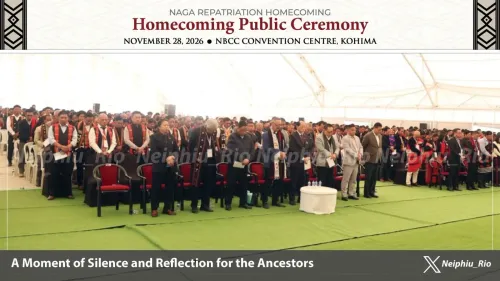
Nagaland Chief Minister Neiphiu Rio on Saturday described the homecoming of 39 ancestral human remains from the United Kingdom as deeply significant for the Naga people.
He said the return restores a part of Naga identity, history and collective memory, not merely historical remains.
Naga organisations and Indian authorities have pursued repatriation of ancestral remains from UK collections since the 2010s.
The remains are linked to collecting practices during British rule in the Naga Hills of Northeast India.
The moment sits in a wider global pattern of returning human remains to indigenous communities.
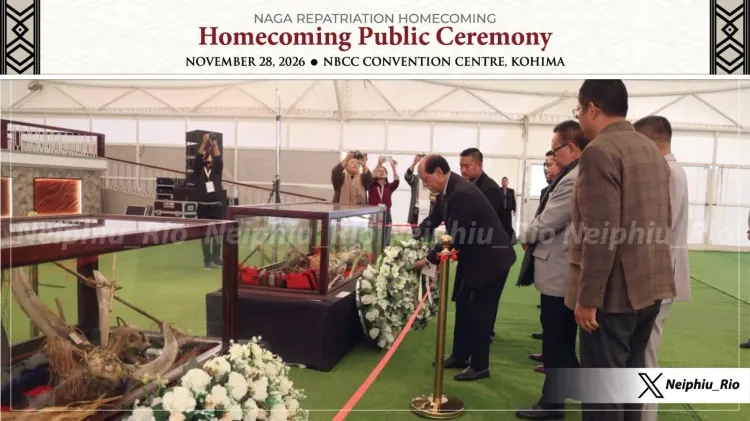
Nagaland Chief Minister Neiphiu Rio on Saturday called the homecoming of 39 ancestral human remains from the United Kingdom a deeply significant moment for the Naga people. He cast the return not as a museum transfer but as the restoration of identity, history and collective memory.
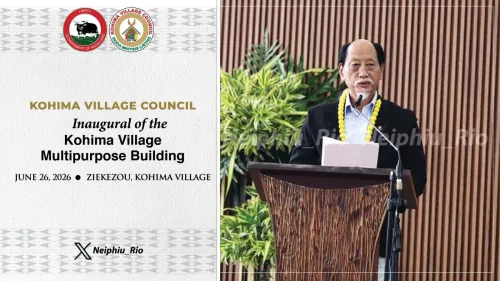
In a post on X, Rio wrote: ‘The homecoming of 39 ancestral human remains from the United Kingdom is a deeply significant moment for the Naga people. It is not merely the return of historical remains, but the restoration of a part of our identity, history, and collective memory.’
Not objects in a cabinet, but a people’s memory
That phrasing is the point. For Naga communities, ancestral remains are kin and continuity, not specimens. Rio, who also leads the Nationalist Democratic Progressive Party, placed the moment in the language of belonging rather than bureaucracy.
The remains now spoken of as coming home were assembled, like so many others from the hills of Northeast India, during British rule in the Naga Hills and later held in United Kingdom collections. Naga organisations and Indian authorities have pressed the repatriation case since the 2010s.
From the Naga Hills to a worldwide restitution turn
This is not an isolated plea. Across the last decade, former colonial powers have returned human remains and cultural items to indigenous groups in Australia, New Zealand and parts of Africa. The Naga demand sits on the same ethical fault line: collections taken under empire, communities still living with the absence.
What to watch next is whether further ceremonies follow, and whether Indian state authorities and UK institutions lock in a clearer cultural-heritage understanding. Rio’s words already set the register. Thirty-nine returns, in this telling, are a public reclaiming of memory.
For Nagaland, the journey of those remains is no longer a catalogue entry in a distant hall. It is a claim on history that colonial collecting once interrupted — and a people choosing how to remember it.
Point of View
Dating to the 2010s, to reverse colonial-era collecting in the Naga Hills. The broader arc is familiar worldwide — indigenous communities forcing museums in former imperial capitals to treat human remains as kin, not inventory. How Nagaland and UK institutions convert this moment into lasting heritage practice will decide whether 39 returns stay a ceremony or become a template.
NationPress
28 Nov 2026
Frequently Asked Questions
What did Neiphiu Rio say about the Naga ancestral remains from the UK?
Nagaland Chief Minister Neiphiu Rio said the homecoming of 39 ancestral human remains from the United Kingdom is a deeply significant moment for the Naga people. He described it as the restoration of identity, history and collective memory, not merely the return of historical remains.
Why are Naga ancestral remains associated with the United Kingdom?
Human remains and cultural objects from the Naga Hills were taken into museum collections in the United Kingdom during British rule in Northeast India. Naga organisations and Indian authorities have sought their repatriation since the 2010s.
Is the return of Naga remains part of a wider global trend?
Yes. Similar restitutions of human remains and cultural items have gone to indigenous communities in Australia, New Zealand and parts of Africa. The Naga case sits in that same pattern of reversing colonial-era collecting.
What could follow this homecoming of ancestral remains?
Further repatriation ceremonies and any formal cultural heritage understanding between Indian state authorities and UK institutions are the next markers to watch. Rio presented the 39 returns as a reclaiming of collective memory.