CM Rio welcomes Naga ancestral remains to homeland
Synopsis
Nagaland Chief Minister Neiphiu Rio on Saturday joined the Naga community in welcoming ancestral human remains back to their homeland. Speaking for the state government, he said the remains should now be laid to rest with peace, dignity and reverence. The homecoming sits in a wider indigenous push to recover remains taken during colonial-era collecting.
Key Takeaways
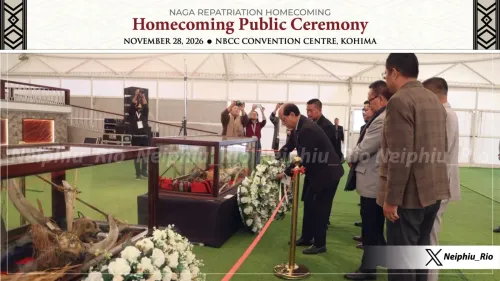
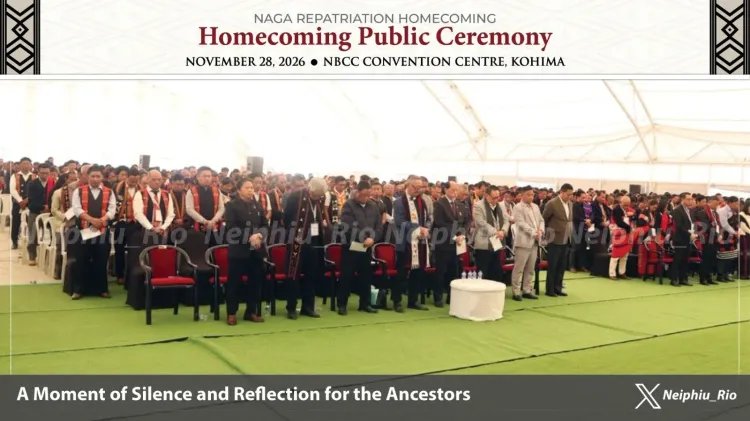
Nagaland Chief Minister Neiphiu Rio on November 28, 2026 joined the Naga community in welcoming ancestral human remains home.
Rio spoke on behalf of the state government and called for the remains to be laid to rest in their homeland with peace, dignity and reverence.
Naga remains and artifacts were frequently collected during British administrative and anthropological activity in the 19th and 20th centuries.
Similar restitution efforts have been pursued by indigenous communities worldwide.
State-level reburial ceremonies and possible further returns from overseas institutions are the next markers to watch.
After years far from the hills of their birth, ancestral Naga human remains are being received as kin, not cargo. On Saturday, November 28, 2026, Nagaland Chief Minister Neiphiu Rio joined the Naga community in welcoming those remains home, speaking on behalf of the state government.
In a post on X, Rio said he was joining the Naga community ‘on behalf of the Govt.’ in welcoming home ‘our ancestral human remains.’ He added: ‘May they now be laid to rest in their final resting place, in their homeland, with the peace, dignity, and reverence they rightfully deserve.’
Laid to rest in the Naga homeland
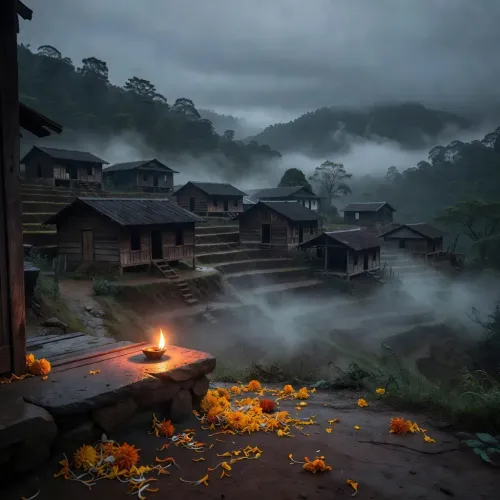
The Chief Minister’s message is not a logistics note. It is a burial pledge. The remains, he said, should now find their final resting place in their homeland — with peace, dignity and reverence.
For Naga tribes across Nagaland, ancestral bones are not museum objects. They are family. Rio, who leads the Nationalist Democratic Progressive Party and has held the chief minister’s office across multiple terms, framed the government’s role as standing with the community, not above it.
Colonial collections and a long road home
Naga remains and artifacts were frequently collected in the 19th and 20th centuries during British administrative and anthropological work in the region. The welcome in Nagaland sits inside a wider indigenous push worldwide to recover heritage items taken during colonial-era expeditions and held in museum collections.
The foreign holding institution, the precise origin of these particular remains, and an exact public return timeline are not established in the available record. What is clear is the register Rio chose: a government standing with the Naga community at the moment of homecoming.
Reburial rites still to come
What follows will matter as much as the arrival. State-level reburial ceremonies, and any further announcements on additional returns from overseas institutions, will show whether this welcome is a single handover or the start of a longer restitution sequence.
In Nagaland’s hills, the measure of this day will not be a press note. It will be whether those remains are laid in the earth with the reverence Rio named — and whether the homeland keeps that promise.
Point of View
Political second — and Rio understood that order. By speaking on behalf of the government while placing the Naga community at the centre of the welcome, he aligned the state with a heritage claim that has travelled from colonial collecting rooms to indigenous burial ground. The broader arc is restitution: communities insisting that bones are kin, not catalogue numbers. What will test this moment is whether reburial stays a community rite and whether more overseas holdings follow.
NationPress
28 Nov 2026
Frequently Asked Questions
What did Nagaland CM Neiphiu Rio say about ancestral remains?
Rio said that on behalf of the government he was joining the Naga community in welcoming home ancestral human remains. He added that they should now be laid to rest in their final resting place in their homeland with peace, dignity and reverence.
Why are ancestral Naga remains being returned?
Naga remains and artifacts were frequently collected in the 19th and 20th centuries during British administrative and anthropological activities. Indigenous communities worldwide have sought the return of such heritage for burial and cultural restoration.
Where will the Naga ancestral remains be buried?
Rio said they should be laid to rest in their final resting place in their homeland. Specific burial sites and ceremony dates were not detailed in his post.
Is this part of a wider restitution trend?
Yes. Repatriation of ancestral human remains is part of global efforts by indigenous groups to recover heritage items acquired during colonial-era expeditions and museum collections.