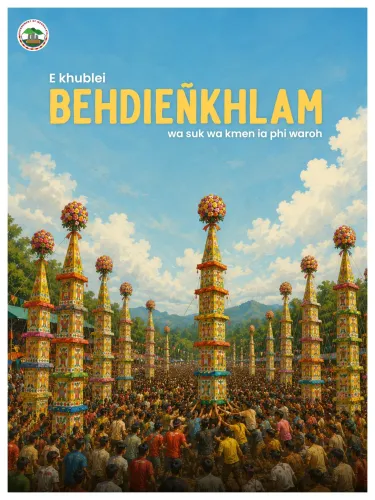
CM Conrad Sangma greets Meghalaya on Shad Nongkrem
Synopsis
Meghalaya Chief Minister Conrad Sangma extended greetings for Shad Nongkrem on November 2, 2026, calling the grand Khasi carnival a celebration of unique cultural identity and expressing hope it would strengthen community bonds and restore peace across the state.
Key Takeaways
Conrad Sangma , Chief Minister of Meghalaya and NPP national president, greeted the state on Shad Nongkrem on November 2, 2026 .
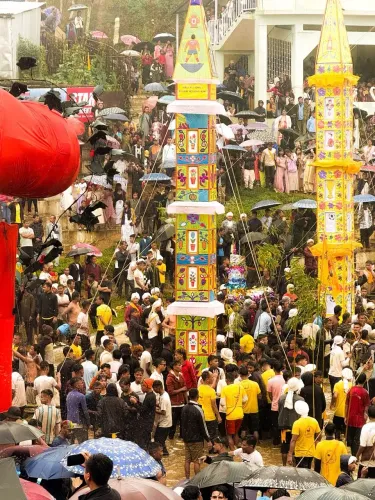
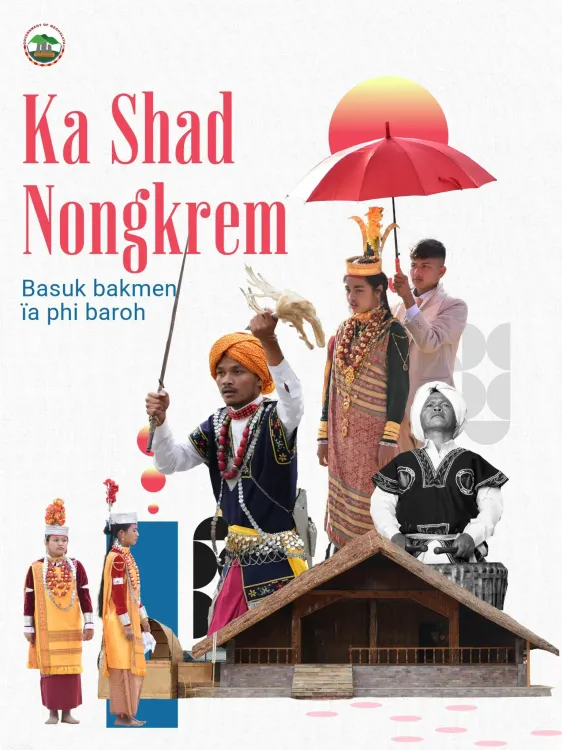
Shad Nongkrem (Nongkrem Dance) is a grand annual carnival celebrating the Khasi community's cultural identity in Meghalaya .
CM Sangma described the festival as a celebration of 'the uniqueness of the Khasi culture.' He expressed hope the occasion would 'establish strong bonds among the community and restore peace and harmony' in the state and country.
State leaders in Northeast India routinely mark major tribal festivals as a gesture of cultural recognition and social cohesion.
Drums, dance, and centuries of Khasi tradition — Meghalaya Chief Minister Conrad Sangma extended warm greetings on Monday, November 2, 2026, as the state marked the annual Shad Nongkrem festival, one of the most vibrant tribal carnivals in Northeast India.
What Shad Nongkrem represents for the Khasi people
In Khasi, the festival's opening words — 'Ka Shad Nongkrem basuk bakmen ia phi baroh!' — translate broadly as a blessing of well-being for all. The Shad Nongkrem, also known as the Nongkrem Dance, is a grand carnival rooted in the spiritual and cultural life of the Khasi community, Meghalaya's largest tribal group. It is a living expression of indigenous identity — marked by ritual dance, traditional attire, and communal prayer — that has endured for generations.
CM Sangma described the festival as a celebration of 'the uniqueness of the Khasi culture,' and expressed hope that it would 'establish strong bonds among the community and restore peace and harmony' in both the state and the country at large.
Why Northeast leaders make this ritual of recognition count
In Meghalaya — a state woven from distinct tribal traditions — public acknowledgment of festivals like Shad Nongkrem carries real social weight. State leaders across Northeast India have long used tribal festival greetings to signal cultural respect and reinforce social cohesion in regions where ethnic identity and political life are deeply intertwined. For CM Sangma, who also serves as national president of the National People's Party (NPP), the gesture underscores a governance style attentive to the region's cultural plurality.
The message's quiet call for 'peace and harmony' adds a layer of significance — a reminder that cultural festivals in the Northeast are not just celebrations but anchors of community stability.
Shad Nongkrem is not folklore frozen in a museum. It breathes every year, and the Chief Minister's greeting ensures the state stands visibly behind it.
Point of View
Which draws its core support from Meghalaya's Khasi and Garo communities. The added appeal for 'peace and harmony' suggests the festival is being invoked as a social stabiliser, not merely a ceremonial occasion. For a region with a complex history of inter-community tensions, such messaging from the top carries practical political resonance beyond ceremonial courtesy.
NationPress
2 Nov 2026
Frequently Asked Questions
What is Shad Nongkrem?
Shad Nongkrem, also called the Nongkrem Dance, is a grand annual tribal carnival of the Khasi community in Meghalaya, celebrated as one of the most significant cultural and spiritual festivals in Northeast India.
Why did Conrad Sangma greet people on Shad Nongkrem?
As Chief Minister of Meghalaya, Conrad Sangma extended greetings on November 2, 2026, to mark the Shad Nongkrem festival, expressing hope it would strengthen community bonds and restore peace and harmony in the state.
What does 'Ka Shad Nongkrem basuk bakmen' mean?
The Khasi phrase broadly translates as a blessing of well-being for all, used as a traditional greeting during the Shad Nongkrem festival.
Which community celebrates Shad Nongkrem?
The Khasi community, Meghalaya's largest tribal group, celebrates Shad Nongkrem as a festival of cultural identity, ritual dance, and communal prayer.
What is the National People's Party?
The National People's Party (NPP) is a political party based in Northeast India; Conrad Sangma serves as both the Chief Minister of Meghalaya and the national president of the NPP.