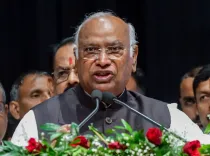
CM Conrad Sangma inaugurates new school building in East Garo Hills
Synopsis
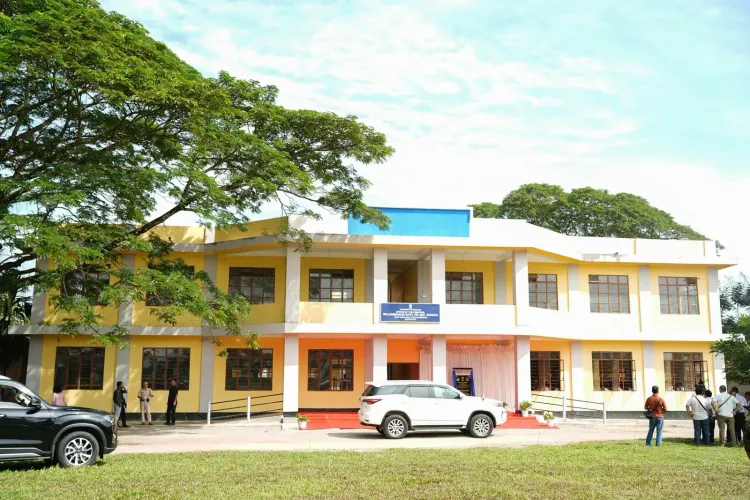
Meghalaya Chief Minister Conrad Sangma inaugurated the new building of Williamnagar Government Higher Secondary School in East Garo Hills on October 29, 2026, addressing long-standing infrastructure gaps at the school first established in 2000 and provincialised in 2009.
Key Takeaways
Conrad Sangma inaugurated the new building of Williamnagar Government Higher Secondary School in East Garo Hills on October 29, 2026 .
The school was established in 2000 as the Higher Secondary section of Williamnagar College and provincialised in 2009 under full state government management.
The new building addresses long-standing infrastructure constraints for students and teachers in the Garo tribal region .
Union Education Minister Pralhad Joshi and the Ministry of Education were tagged, indicating state-central coordination on the project.
Sangma reaffirmed the state's commitment to strengthening educational infrastructure across all of Meghalaya .
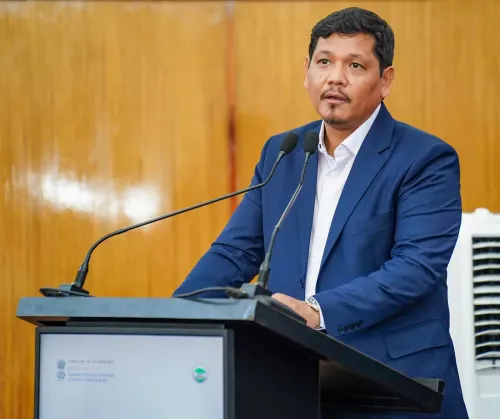
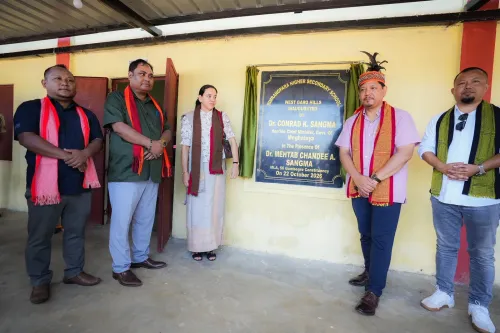
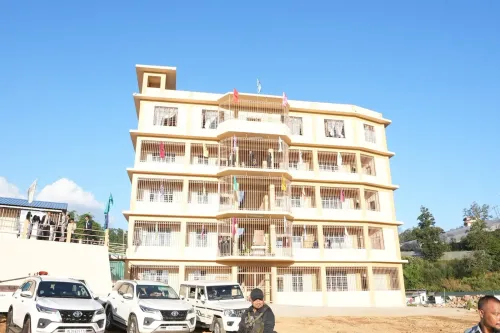
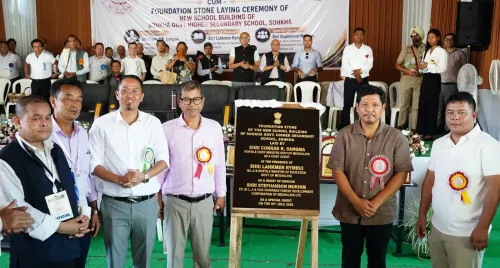
A school that has shaped young minds in the Garo hills for over two decades finally has the infrastructure to match its ambition. Meghalaya Chief Minister Conrad Sangma on Thursday, October 29, 2026, inaugurated the new building of Williamnagar Government Higher Secondary School in East Garo Hills, marking a milestone for one of the region's most significant public educational institutions.
From college annex to standalone state school
The school's journey tracks the slow but steady expansion of formal education in the Garo tribal belt. Originally established in 2000 as the Higher Secondary section of Williamnagar College, it was provincialised in 2009 — brought fully under state government management and funding — signalling a long-term commitment to making secondary education accessible in this remote hill district. That administrative transition was the foundation; today's new building is the visible proof of it.
As Sangma noted in his post, the new structure 'addresses long-standing infrastructure constraints and provides a better learning environment for our students and teachers.' The phrasing is understated. For students who have spent years studying in ageing facilities, the difference a purposefully designed school building makes — in ventilation, space, safety, and simple dignity — is anything but small.
Northeast's chronic infrastructure gap, one building at a time
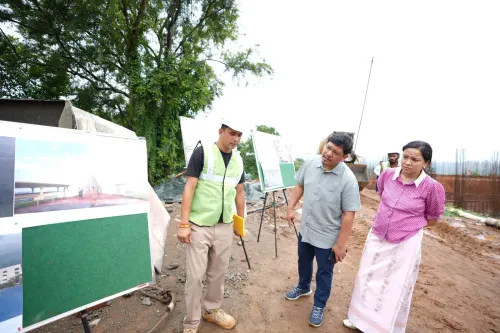
East Garo Hills sits at the heart of a broader challenge that has defined education policy in Meghalaya and the wider Northeast for decades: the gap between enrolment ambitions and the physical reality of school infrastructure in hill districts. Thin connectivity, difficult terrain, and historically limited capital expenditure have left many government schools under-resourced relative to enrolment demand.
Meghalaya governments have increasingly pursued district-level upgrades to secondary school buildings, often in coordination with the Union Ministry of Education — which Sangma tagged in his post alongside Union Education Minister Pralhad Joshi. That tag is significant. It signals the project sits within a framework of state-central coordination on school infrastructure, typical of how Northeast states leverage central schemes and standards alignment to fund and execute upgrades that state budgets alone cannot sustain.
What the inauguration signals for Meghalaya's school network
Sangma's closing line — 'We remain committed to strengthening educational infrastructure across Meghalaya' — is the one to watch. It frames Williamnagar not as a one-off event but as part of a rolling programme. With the state's hill districts spread across challenging geography, each completed building sets a benchmark and, ideally, momentum for the next.
For the students and teachers of Williamnagar Government Higher Secondary School, the doors have opened. The question now is how quickly the rest of Meghalaya's schools move up the queue.
Point of View
Not merely courtesy. For Conrad Sangma, delivering visible infrastructure in tribal-majority East Garo Hills carries both developmental and political weight ahead of any future electoral cycle. The provincialisation of the school in 2009 laid the administrative groundwork; the new building completes that arc, and positions Meghalaya as a state actively converting policy intent into physical assets. Whether this pace extends to more remote districts will be the true test of the commitment.
NationPress
29 Oct 2026
Frequently Asked Questions
Where is Williamnagar Government Higher Secondary School located?
It is located in Williamnagar , the headquarters of East Garo Hills district in Meghalaya , in India's Northeast.
When was Williamnagar Government Higher Secondary School established?
The school was established in 2000 as the Higher Secondary section of Williamnagar College and was later provincialised in 2009 , bringing it under full state government management.
What did Conrad Sangma inaugurate in East Garo Hills?
Meghalaya Chief Minister Conrad Sangma inaugurated the new school building of Williamnagar Government Higher Secondary School in East Garo Hills on October 29, 2026 .
Why was a new building needed for Williamnagar Government Higher Secondary School?
The school faced long-standing infrastructure constraints that limited the quality of the learning environment for students and teachers, which the new building is designed to address.
Is the Union government involved in Meghalaya school infrastructure projects?
Yes. CM Sangma tagged the Union Ministry of Education and Education Minister Pralhad Joshi in his post, indicating state-central coordination on school infrastructure development in Meghalaya .