CM Conrad Sangma meets JPC on FCRA at Umroi Airport
Synopsis
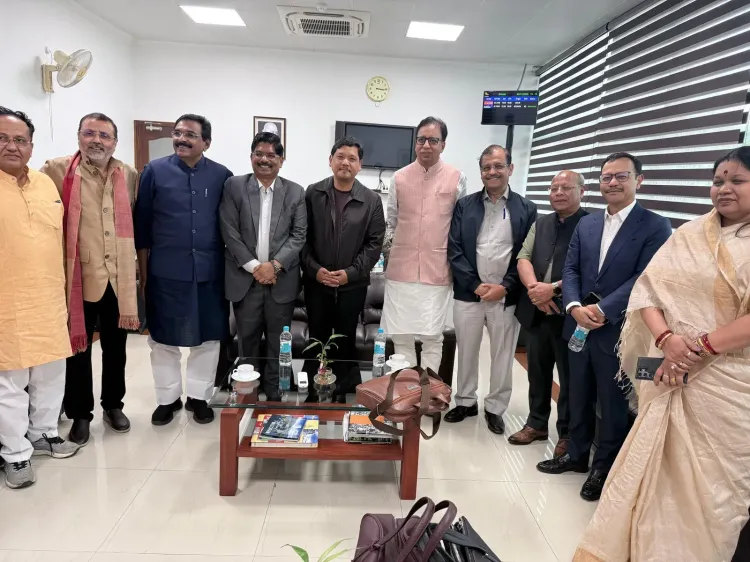
Meghalaya Chief Minister Conrad Sangma met the Joint Parliamentary Committee on FCRA at Umroi Airport on 2 November 2026, underlining the Northeast's stake in proposed amendments to the law governing foreign contributions to Indian NGOs and civil society groups.
Key Takeaways
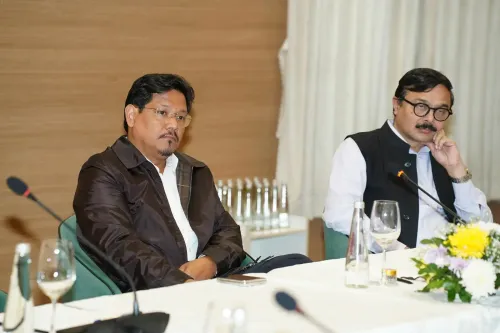
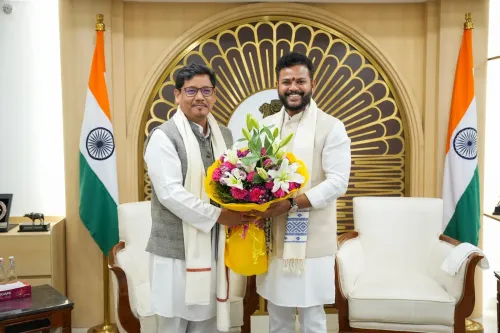
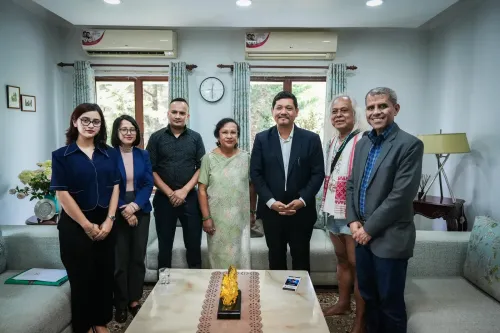
Conrad Sangma met members of the Joint Parliamentary Committee on FCRA at Umroi Airport, Shillong on 2 November 2026 .
The meeting was part of the JPC's state-level consultation exercise ahead of finalising proposed amendments to the Foreign Contribution (Regulation) Act .
The FCRA was last significantly amended in 2020 , tightening compliance, reporting, and fund-utilisation norms for organisations receiving foreign contributions.
Meghalaya's dense network of church-affiliated and tribal civil society organisations makes FCRA regulation especially consequential for the state.
Sangma publicly thanked the committee for ensuring that regional stakeholder perspectives are 'heard and considered' in the legislative deliberations.
The JPC's final report and any subsequent parliamentary proceedings will determine whether Northeast-specific concerns are reflected in the revised law.
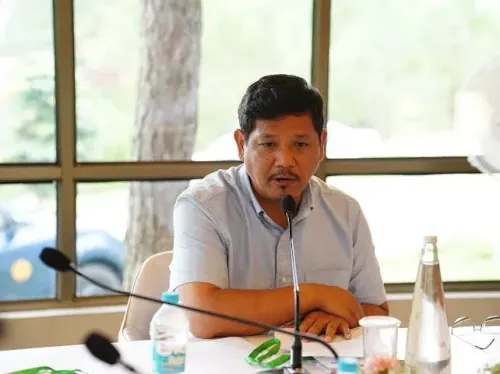
A parliamentary committee travelling to Meghalaya's doorstep to hear local voices on a law that directly governs civil society funding — that is the scene Meghalaya Chief Minister Conrad Sangma described on Monday, 2 November 2026, after meeting members of the Joint Parliamentary Committee (JPC) on FCRA at Umroi Airport, Shillong.
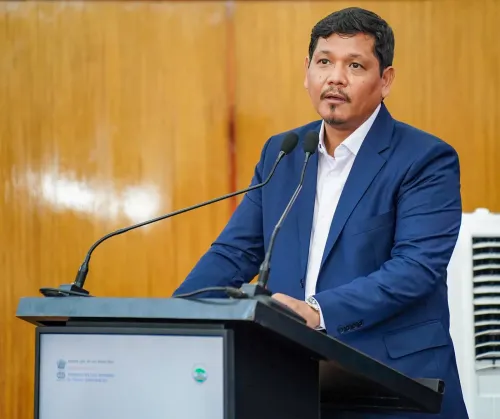
Sangma welcomed the committee's outreach, thanking its members 'for taking the time to consult with stakeholders in Shillong and for ensuring that their views and perspectives are heard and considered as part of the deliberations on this important amendment.' The phrasing is deliberate: the Northeast is not a footnote in this legislative exercise — it is a principal stakeholder.
Why the FCRA amendment matters in Meghalaya
The Foreign Contribution (Regulation) Act (FCRA) regulates how Indian associations and NGOs receive and deploy foreign funds. A sweeping amendment in 2020 tightened compliance norms, reporting requirements, and fund-utilisation rules — changes that reverberated across the country's non-profit sector. A fresh round of proposed amendments has now brought another JPC into the field.
Meghalaya sits at the intersection of two sensitivities that make FCRA especially consequential here: a dense network of church-affiliated and tribal civil society organisations that depend on foreign donations, and a geography that borders both Bangladesh and Bhutan. Organisations operating in such border and tribal areas have long argued that blanket compliance norms do not account for the distinct ground realities they navigate.
JPC's state-level consultation tour
The committee's visit to Shillong is part of a broader pattern of parliamentary panels conducting regional consultations before finalising major legislation. For Northeast India, these consultations carry added weight: the region houses a disproportionate share of faith-based and community organisations whose operational lifelines run through foreign contributions.
By meeting Sangma at Umroi Airport — the functional gateway to Shillong — the JPC signalled that it was factoring in executive-level perspectives from the state government alongside those of civil society groups. The Chief Minister's public acknowledgement of the meeting adds political visibility to what might otherwise have been a quiet stakeholder exercise.
What comes next for the amendment
The immediate watch-point is the JPC's final report, which will shape the contours of any revised FCRA framework. Whether the committee's Northeast consultations translate into carve-outs, relaxed thresholds, or procedural accommodations for border-region organisations is the question Meghalaya's civil society will be tracking closely.
For Conrad Sangma, the meeting serves a dual purpose: reinforcing his government's advocacy role for the state's non-profit ecosystem, and signalling to local stakeholders that their concerns have reached the highest legislative forum available. The bill has not yet cleared Parliament — but Shillong's voice is now formally on the record.
Point of View
Where civil society is heavily reliant on foreign contributions. For Sangma, facilitating this consultation is both a governance signal and a political asset: it positions him as an effective interlocutor between Delhi's legislative machinery and Meghalaya's on-the-ground realities. Successive FCRA amendments have drawn criticism from the non-profit sector for being blunt instruments; regional consultations are the legislature's attempt to sand down those edges before the next version is locked in. Whether state-level inputs from border and tribal regions actually reshape the final bill will test how seriously the JPC takes its own outreach exercise.
NationPress
2 Nov 2026
Frequently Asked Questions
What is the FCRA and why is it being amended?
The Foreign Contribution (Regulation) Act governs how Indian NGOs and associations receive and use foreign funds. A Joint Parliamentary Committee is currently examining proposed amendments to the law, following a major overhaul in 2020 that tightened compliance and reporting norms.
Why did the JPC on FCRA visit Shillong?
The committee visited Shillong to consult with regional stakeholders — including civil society groups and state government representatives — to gather Northeast-specific perspectives before finalising its recommendations on the proposed FCRA amendment.
What did Conrad Sangma say about the JPC meeting?
Sangma said he was 'pleased to meet' the JPC members at Umroi Airport and thanked them for ensuring that stakeholder views from Shillong are 'heard and considered' as part of the deliberations on the amendment.
How does FCRA affect Meghalaya specifically?
Meghalaya has a large number of church-affiliated and tribal civil society organisations that rely on foreign donations. As a border state adjacent to Bangladesh and Bhutan, it also faces distinct regulatory sensitivities under the FCRA framework.
What happens after the JPC completes its consultations?
The JPC will submit a report to Parliament with its findings and recommendations. That report will guide the framing of the amended FCRA, after which Parliament will debate and vote on the final bill.