CM Conrad Sangma Pays Tribute to U Tirot Sing on 191st Death Anniversary
Synopsis
Meghalaya Chief Minister Conrad Sangma marked the 191st death anniversary of U Tirot Sing on 17 July 2026, honouring the Khasi chief who resisted British colonial forces from 1829 to 1833. Sangma called on citizens to draw inspiration from Tirot Sing's legacy to uphold tribal culture, traditions, and the pursuit of justice.
Key Takeaways
Conrad Sangma , Chief Minister of Meghalaya and national president of the National People's Party, paid tribute to U Tirot Sing on 17 July 2026 .
The occasion marks the 191st death anniversary of the Khasi chief who led armed resistance against the British East India Company in the Khasi Hills from 1829 to 1833 .
Sangma invoked Tirot Sing's 'unwavering courage, sacrifice, and indomitable spirit' and called his legacy an inspiration for justice and equality.
Meghalaya has officially observed 17 July as a day of remembrance for Tirot Sing since statehood in 1972 , with events and school curricula marking the occasion.
The tribute reflects a broader Northeast Indian pattern of integrating indigenous anti-colonial histories into the national freedom narrative.
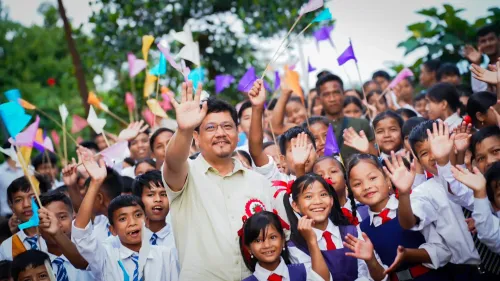
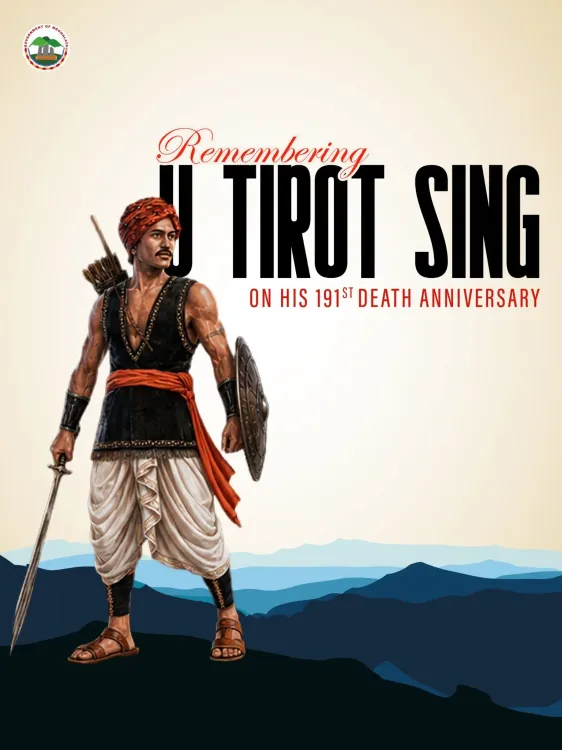
Meghalaya Chief Minister Conrad Sangma on Friday, 17 July 2026, paid tribute to U Tirot Sing, the nineteenth-century Khasi resistance leader, marking the 191st death anniversary of the freedom fighter who led armed opposition against British colonial forces in the Khasi Hills.
Context
In his post, Conrad Sangma remembered U Tirot Sing as a 'fearless freedom fighter of Meghalaya,' invoking his 'unwavering courage, sacrifice, and indomitable spirit in defending our land and our people.' The Chief Minister called on citizens to let Tirot Sing's legacy 'inspire us to uphold our rich culture and traditions, stand firm in our convictions, and strive for justice, equality, and the greater good of society.'
U Tirot Sing was a Khasi chief who mounted sustained armed resistance against the British East India Company in the Khasi Hills from 1829 to 1833. His capture and subsequent death made him one of the earliest anti-colonial figures from India's Northeast to enter the national freedom narrative.
Policy Backdrop
Since Meghalaya attained statehood in 1972, successive state governments have marked 17 July as an official day of remembrance for Tirot Sing, incorporating observances into public events and school curricula. The annual commemoration reflects a broader state policy of integrating indigenous resistance histories into the mainstream freedom-struggle canon.
Northeast leaders have consistently used such tributes to assert the distinct identities of tribal communities within India's federal structure. For the Khasi, Garo, and Jaintia communities that make up much of Meghalaya's population, figures like Tirot Sing carry deep cultural and political significance beyond ceremonial remembrance.
Stakeholders and Impact
The tribute resonates most directly with the Khasi community and the wider population of Meghalaya, for whom Tirot Sing represents an assertion of indigenous sovereignty and cultural continuity. His legacy is taught in state schools and invoked in debates over customary law, land rights, and the preservation of tribal traditions.
Conrad Sangma, who has served as Chief Minister since 2018 and leads the National People's Party nationally, has repeatedly positioned his administration as a guardian of Meghalaya's distinct tribal heritage. Annual commemorations of figures like Tirot Sing form part of that broader political identity.
What's Next
State observances on 17 July each year typically include official ceremonies, cultural programmes, and tributes at memorials linked to nineteenth-century Khasi resistance. Advocacy groups and heritage bodies in Meghalaya continue to push for greater recognition of Tirot Sing at the national level, including proposals related to memorials and heritage site preservation in the Khasi Hills. How the state government translates such annual remembrances into concrete heritage policy will remain a point of public interest.
Point of View
Equality, and the greater good,' Sangma connects a nineteenth-century anti-colonial struggle to contemporary demands from Meghalaya's Khasi, Garo, and Jaintia communities. For the National People's Party, which anchors its appeal in Northeast regionalism, such commemorations reinforce the party's claim to be the authentic custodian of indigenous rights. The broader pattern — Northeast leaders amplifying local freedom fighters to assert distinct federal identities — signals an ongoing negotiation between regional cultural assertion and national integration.
NationPress
17 Jul 2026
Frequently Asked Questions
Who was U Tirot Sing?
U Tirot Sing was a Khasi chief who led armed resistance against the British East India Company in the Khasi Hills of present-day Meghalaya from 1829 to 1833. He was captured and died in captivity, becoming one of the earliest anti-colonial resistance figures from India's Northeast.
When did U Tirot Sing die?
U Tirot Sing died on 17 July 1835, and the date is observed annually in Meghalaya as a day of official remembrance. The 2026 observance marks his 191st death anniversary.
Why is Conrad Sangma paying tribute to U Tirot Sing?
As Chief Minister of Meghalaya, Conrad Sangma paid tribute on the 191st death anniversary of U Tirot Sing on 17 July 2026, in keeping with the state's long-standing practice of officially commemorating the Khasi freedom fighter each year since statehood in 1972.
What is the significance of U Tirot Sing for Meghalaya?
U Tirot Sing is regarded as a symbol of Khasi resistance and indigenous sovereignty. His legacy is taught in Meghalaya's schools and invoked in debates around tribal land rights, customary law, and the preservation of Khasi culture and traditions.
Who is Conrad Sangma?
Conrad Sangma is the Chief Minister of Meghalaya, a post he has held since 2018, and the national president of the National People's Party (NPP), a regional political party based in India's Northeast.