CM Conrad Sangma Reviews 50th Wangala Festival Prep
Synopsis
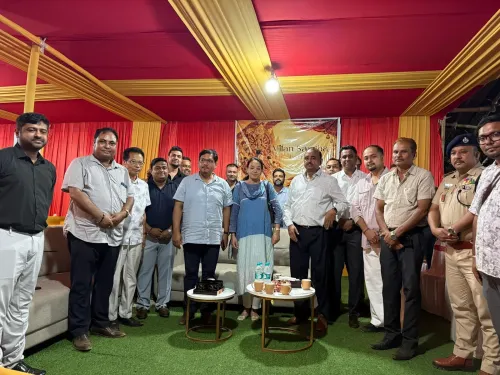
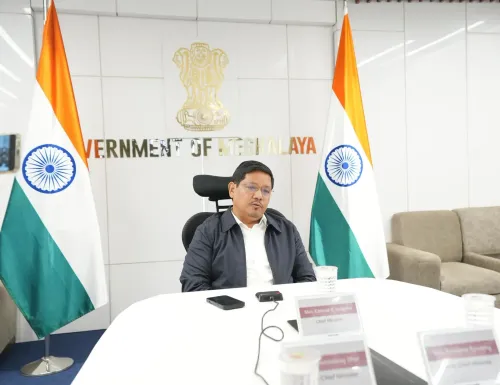
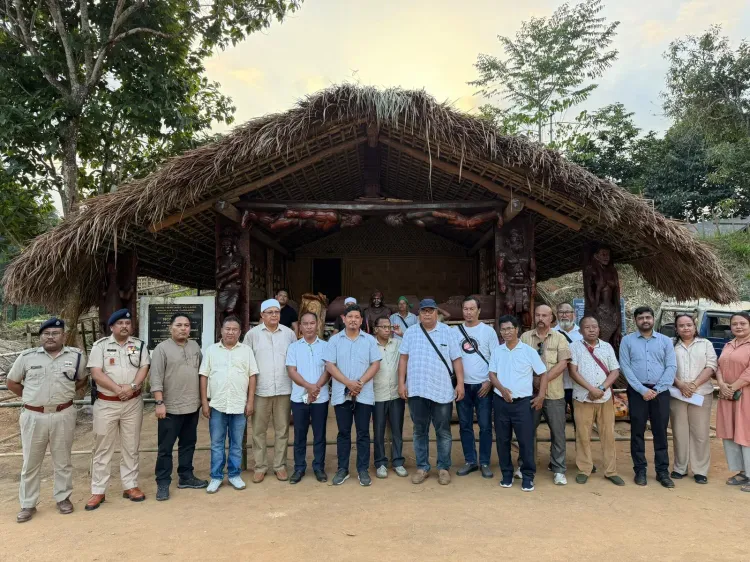
Meghalaya Chief Minister Conrad Sangma visited Wangala A•dam on October 21, 2026, to review preparations for the 50th edition of the 1000 Drums Wangala Festival — a golden jubilee milestone for the Garo community's iconic harvest celebration.
Key Takeaways
CM Conrad Sangma personally visited Wangala A•dam on October 21, 2026 to review festival preparations.
The upcoming edition marks the 50th anniversary of the 1000 Drums Wangala Festival , making it a golden jubilee.
Wangala is the Garo people's annual harvest thanksgiving festival and one of Northeast India's most iconic tribal celebrations.
The festival takes place in Garo Hills , the western region of Meghalaya, and draws cultural tourists and diaspora Garos.
Sangma framed the event as a milestone that 'honours traditions, celebrates cultural identity and keeps the spirit of ancestors alive.'
Fifty years of drumbeats, and Meghalaya is determined to make them thunder louder than ever. Meghalaya Chief Minister Conrad Sangma visited Wangala A•dam on Wednesday, October 21, 2026, to personally review preparations for the landmark 50th edition of the 1000 Drums Wangala Festival — a golden jubilee for one of Northeast India's most iconic tribal celebrations.
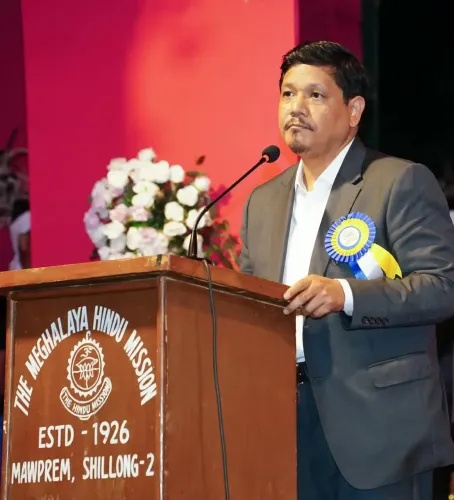
Sangma described the upcoming festival as 'a proud milestone that honours our traditions, celebrates our cultural identity and keeps the spirit of our ancestors alive for generations to come.' The Chief Minister's site visit signals the Meghalaya government's direct stake in ensuring the golden jubilee edition matches the weight of the occasion.
What Makes the 1000 Drums Wangala So Significant
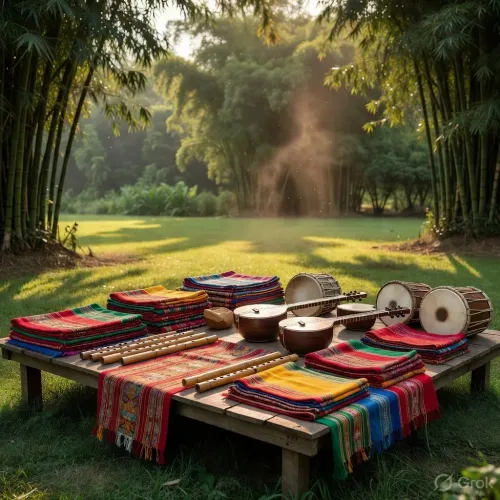
The Wangala Festival is the Garo people's most sacred harvest celebration — a thanksgiving to Misi Saljong, the Sun God, for a bountiful season. What sets the 1000 Drums version apart is sheer collective spectacle: hundreds of Garo men and women dressed in traditional regalia, moving in rhythm to a wall of drumbeats that can be felt as much as heard. The festival draws cultural tourists, indigenous-arts enthusiasts, and diaspora Garos from across India and beyond into the heart of Garo Hills, the western highland region of Meghalaya where the community is concentrated. For the Garo community, this is not pageantry — it is living memory. Dance steps, drum patterns, and ceremonial costumes carry knowledge passed down across generations, and the festival serves as one of the most visible annual acts of cultural transmission.A 50-Year Milestone for Garo Cultural Identity
Reaching a 50th edition transforms a beloved annual event into a historical institution. Northeast India's tribal calendar is rich with such festivals, but anniversaries of this scale attract a different order of attention — from state planners, cultural scholars, and national tourism bodies alike. State governments across the region have consistently backed indigenous festivals as twin engines of heritage preservation and tourism revenue, and a golden jubilee creates a natural inflection point for expanded programming, larger stages, and wider outreach. Sangma's personal review of the Wangala A•dam site — rather than a routine official briefing — underlines how seriously the administration is treating the occasion. Attendance numbers, any new state funding commitments, and the final programme lineup will be the metrics that determine whether the 50th edition lives up to its billing. Fifty years of drums have kept a culture breathing. The question now is how loudly the golden jubilee makes them roar.Point of View
And publicly championing the 50th Wangala is both a cultural duty and a soft-power dividend. The move fits a broader Northeast India pattern where state governments invest in flagship tribal festivals to reinforce regional identity, attract tourism, and consolidate electoral goodwill with indigenous constituencies. A golden jubilee also creates the ideal backdrop for announcing enhanced state funding or infrastructure for Garo Hills, should the administration choose to use the occasion. How the government programmes and resources the 50th edition will set a benchmark for how seriously Meghalaya treats its indigenous heritage institutions going forward.
NationPress
21 Oct 2026
Frequently Asked Questions
What is the 1000 Drums Wangala Festival?
The 1000 Drums Wangala Festival is the Garo community's grand annual harvest celebration held in Meghalaya, featuring hundreds of drummers and dancers in traditional regalia offering thanksgiving to the Sun God. It is one of the most iconic indigenous festivals in Northeast India.
Why is the 2026 Wangala Festival special?
The 2026 edition marks the 50th anniversary of the 1000 Drums Wangala Festival, making it a golden jubilee and a historic milestone for Garo cultural heritage.
Where is the Wangala Festival held?
The festival is centred in Garo Hills , the western region of Meghalaya primarily inhabited by the Garo tribe, with the A•dam venue serving as a key preparation and event site.
Why did Conrad Sangma visit Wangala A•dam?
Meghalaya Chief Minister Conrad Sangma visited Wangala A•dam on October 21, 2026 , to personally review preparations for the upcoming 50th edition of the festival, signalling the state government's direct involvement in the golden jubilee event.
What is the significance of Wangala for the Garo community?
Wangala is the Garo people's most sacred harvest festival — a thanksgiving ritual that transmits traditional dance, drum patterns, and ceremonial knowledge across generations, serving as a living anchor of Garo cultural identity.