CM Conrad Sangma Reviews MePDCL Franchisee Power Issues
Synopsis
Meghalaya Chief Minister Conrad Sangma on June 23 reviewed power supply failures, billing irregularities, and consumer complaints in areas managed by SAI Computers under the MePDCL franchisee model, issuing firm directives to replace defective meters and transformers and strengthen grievance redressal.
Key Takeaways
CM Conrad Sangma conducted a formal review of electricity services in MePDCL Distribution Franchisee areas managed by SAI Computers on June 23, 2026 .
Issues reviewed included power supply quality , billing irregularities , and unresolved consumer grievances .
Sangma directed both MePDCL and SAI Computers to replace defective meters and transformers and accelerate infrastructure upgrades.
The franchisee model was adopted to reduce high AT&C losses and improve billing efficiency, consistent with reforms under the UDAY scheme (2015) .
Union Minister Manohar Lal Khattar was tagged in the post, indicating possible central-level engagement on the issue.
Strengthening public outreach and prompt grievance resolution were also among the directives issued.
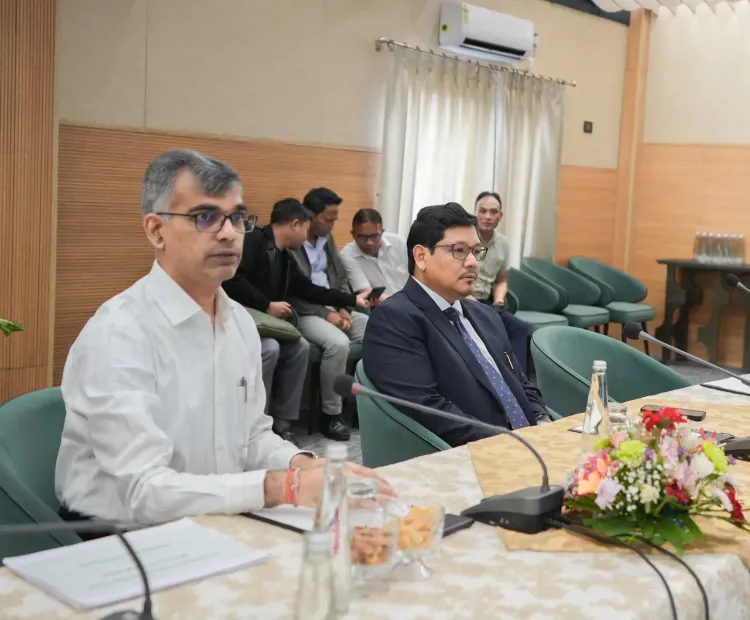
Meghalaya Chief Minister Conrad Sangma on Tuesday, June 23, 2026, reviewed electricity supply quality, billing irregularities, and consumer grievances in areas served by SAI Computers under the MePDCL Distribution Franchisee arrangement, directing both the utility and the private operator to accelerate corrective action.
Context
Sangma stated that he had reviewed 'power supply, billing issues and consumer grievances' in the SAI Computers franchisee zones and stressed that 'consumer trust and service delivery must remain our top priority.' The review comes amid persistent complaints from residents in the affected circles about unreliable supply and disputed electricity bills. The Chief Minister tagged Union Minister Manohar Lal Khattar, whose portfolio touches the power sector, signalling that the state is seeking central attention on the matter.
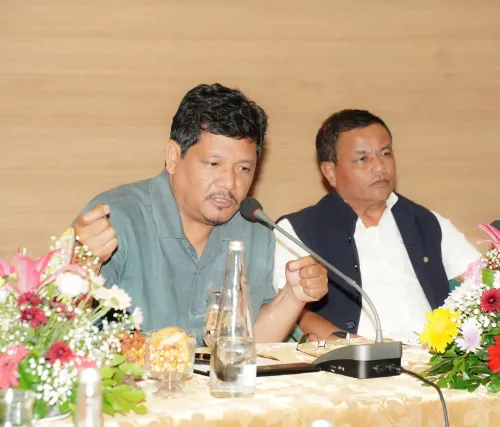
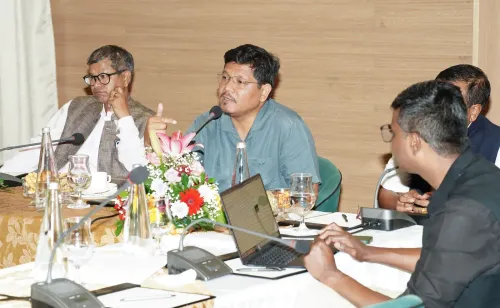
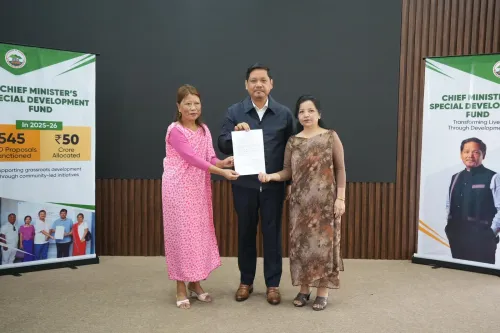
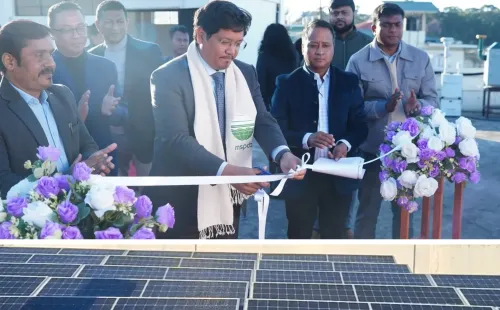
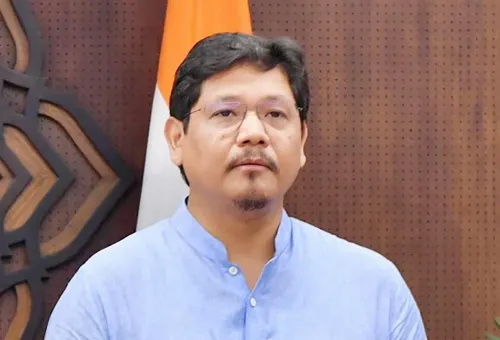
The post was accompanied by three images, indicating the review was a formal, in-person or documented engagement rather than a routine social media update.
Policy Backdrop
Meghalaya Power Distribution Corporation Limited (MePDCL) is the state-owned utility responsible for electricity distribution across the state. To address high aggregate technical and commercial (AT&C) losses and improve billing efficiency, Meghalaya adopted the distribution franchisee model for select MePDCL circles, consistent with national power-sector reform trajectories that gained momentum under the UDAY scheme from 2015 onward.
Under this arrangement, SAI Computers operates as the private last-mile distribution franchisee in designated areas, responsible for metering, billing, and collection. Several Indian states — particularly in the Northeast, where technical losses have historically been high — have pursued similar franchisee models to meet consumer expectations for 24x7 reliable power. The model is designed to bring private-sector efficiency to distribution without full privatisation of the utility.
Directives Issued
Sangma issued four specific directions to MePDCL and SAI Computers: accelerate infrastructure upgrades; replace defective meters and transformers; strengthen public outreach; and ensure consumer grievances are addressed promptly. These directives address the core pain points that have historically undermined consumer confidence in franchisee-operated distribution zones — namely inaccurate metering leading to inflated bills, and transformer failures causing prolonged outages.
The Chief Minister acknowledged that 'operational challenges exist' but underlined that people 'expect reliable power, fair billing and responsive service,' framing the issue as one of basic governance delivery rather than technical complexity alone.
Stakeholders and Impact
The primary stakeholders are electricity consumers — domestic and commercial — in the MePDCL circles managed by SAI Computers. Defective meters directly affect household billing, while transformer failures translate into unscheduled outages that disrupt livelihoods, particularly for small businesses and students. Prompt grievance redressal mechanisms, if implemented, would give consumers a structured channel to dispute bills or report supply failures without approaching courts or regulators.
For MePDCL, the review signals heightened political oversight of the franchisee arrangement. For SAI Computers, the public directive from the Chief Minister creates accountability pressure to demonstrate measurable improvement within a visible timeframe.
What's Next
The key indicators to watch will be the timelines set for meter and transformer replacement, and whether MePDCL or the state government publishes a public-facing dashboard tracking grievance disposal rates in the SAI Computers areas. The tagging of Union Minister Khattar suggests the state may also be seeking central funds or technical support for infrastructure upgrades under ongoing national power-sector schemes. A follow-up review or a formal action-taken report from MePDCL is likely in the coming weeks.
Point of View
Where consumer tolerance for billing disputes and outages is wearing thin. By tagging Union Minister Khattar, the Chief Minister is simultaneously applying pressure on the private operator and building a visible record of state-level accountability. The move fits a broader pattern across Indian states where franchisee experiments have faced backlash when operational improvements lag behind consumer expectations. If meter replacement and grievance timelines are not met, the political cost of the franchisee model could outweigh its efficiency rationale.
NationPress
23 Jun 2026
Frequently Asked Questions
What is the MePDCL Distribution Franchisee arrangement with SAI Computers?
MePDCL, the state-owned power distributor of Meghalaya, appointed SAI Computers as a private franchisee to handle last-mile electricity distribution — including metering, billing, and collection — in select areas, as part of efforts to reduce technical losses and improve service efficiency.
Why did Conrad Sangma review the SAI Computers franchisee?
CM Conrad Sangma reviewed the arrangement on June 23, 2026, due to consumer complaints about unreliable power supply, defective meters causing billing errors, and unresolved grievances in the franchisee-operated zones.
What directives did CM Sangma issue to MePDCL and SAI Computers?
Sangma directed both entities to accelerate infrastructure upgrades, replace defective meters and transformers, strengthen public outreach, and ensure consumer grievances are addressed promptly.
What is the UDAY scheme and how does it relate to Meghalaya's power sector?
The UDAY (Ujwal DISCOM Assurance Yojana) scheme, launched in 2015 by the central government, aimed to improve the financial and operational health of state power distribution companies. Meghalaya's adoption of the franchisee model for MePDCL circles aligns with the reform principles promoted under UDAY.
Why was Union Minister Manohar Lal Khattar tagged in CM Sangma's post?
Khattar holds a Union ministerial portfolio with relevance to the power sector. By tagging him, CM Sangma appears to be drawing central government attention to the infrastructure and service delivery challenges in Meghalaya's franchisee distribution zones.