Afghanistan labourers find work under 2 days a week: WFP report
Synopsis
Afghanistan's economic crisis has a new measure: labourers are finding work just 1.9 days a week, 16% below last year. Markets are stable and the currency is holding — but that is masking an income collapse that is pushing millions toward hunger. With OCHA warning that 3.7 million children face severe malnutrition before the peak wasting season even begins, the convergence of joblessness and nutrition crisis is reaching a critical threshold.
Key Takeaways
Afghanistan labourers averaged just 1.9 days of work per week, about 16% below last year's level and the three-year average, per the WFP report.
Daily wages averaged 309 Afghanis , marginally higher than the previous week but insufficient against reduced working hours.
The Afghan currency held steady at around 64.3 Afghanis per US dollar , though staple food prices rose year-on-year.
OCHA warned on 16 June that 3.7 million children are expected to face severe malnutrition in 2026 .
Wasting levels have worsened in 26 of 34 provinces compared to 2025, with the peak hunger season still ahead.
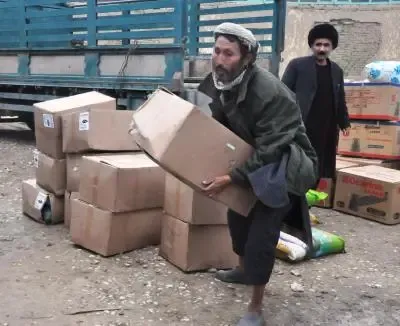
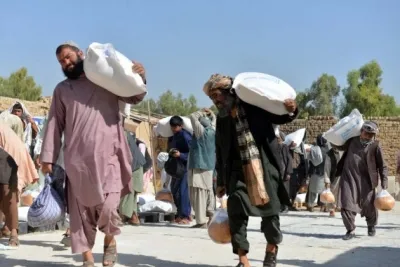
Labourers in Afghanistan are securing employment for fewer than two days per week on average, according to a new World Food Programme (WFP) report, underscoring the country's deepening economic distress even as food markets remain relatively stable and the national currency holds steady. The findings, reported by local Afghan media on 23 June, paint a stark picture of livelihoods collapsing beneath the surface of apparent market calm.
Key Findings from the WFP Report
Unskilled workers in Afghanistan managed an average of just 1.9 days of employment per week — approximately 16 per cent below last year's level and below the three-year average, according to the WFP data. Daily wages averaged 309 Afghanis, a marginal improvement over the previous week but insufficient to offset the structural collapse in working hours.
The Afghan currency remained broadly stable at around 64.3 Afghanis per US dollar. However, several staple food items were more expensive compared to the same period last year, and the report flagged rising input costs for farmers — compounding pressure on both producers and consumers.
Why This Matters: Food Access vs. Food Affordability
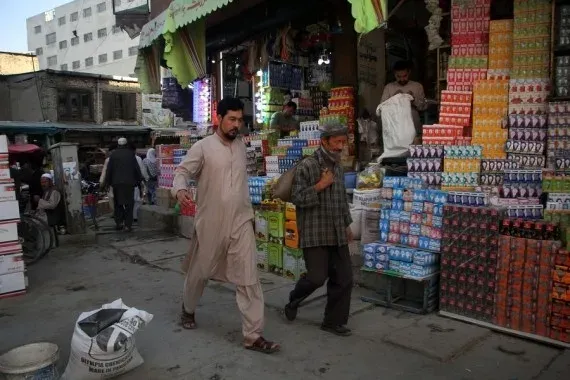
The WFP report draws a critical distinction: the crisis facing Afghan households is not the availability of food but the ability to pay for it. Markets are functional and inflation has eased, yet the benefits have not translated into meaningful improvements in daily livelihoods for millions of Afghans who depend on casual labour. This is not a supply crisis — it is an income crisis.
Notably, this dynamic is consistent with broader patterns observed in post-conflict economies, where macroeconomic stabilisation often outpaces employment recovery by several years. Afghanistan's labour market has been structurally weakened since August 2021, and the WFP data suggests recovery remains distant.
Worsening Nutrition Crisis
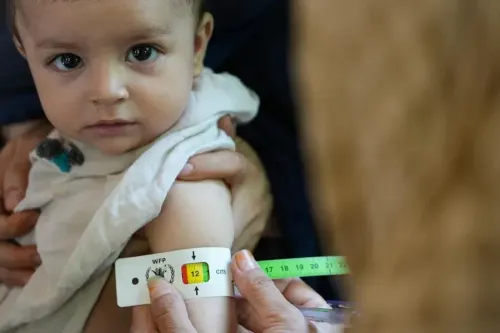
The labour market findings arrive alongside a separate warning from the United Nations Office for the Coordination of Humanitarian Affairs (OCHA), issued on 16 June. OCHA cautioned that the nutrition crisis in Afghanistan is rapidly deteriorating in 2026, with wasting levels worsening across 26 of 34 provinces compared to 2025.
According to OCHA, 3.7 million children are expected to face severe malnutrition in 2026. The agency stressed that this deterioration is occurring before the peak wasting season — typically July to September — signalling an early and deepening crisis. OCHA called for urgent international funding to prevent irreversible harm, according to Afghanistan-based reports.
What Comes Next
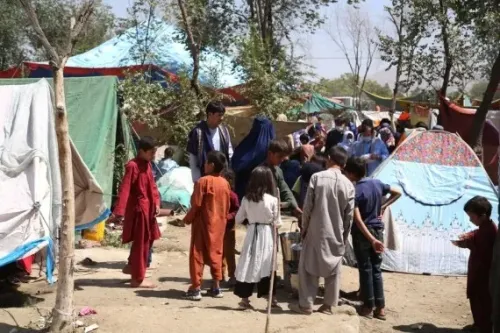
With the peak hunger season still ahead and employment levels near multi-year lows, humanitarian agencies warn the situation could deteriorate further in the coming months. The combination of stagnant wages, reduced working days, rising food costs, and a looming malnutrition surge presents one of the most acute convergent crises Afghanistan has faced in recent years. International funding gaps remain a central concern for relief operations on the ground.
Point of View
While the workforce is finding employment at near-record lows. The income crisis — not the food supply — is what is driving hunger, and that distinction matters for how aid is designed and targeted. Meanwhile, OCHA's warning about 3.7 million children facing malnutrition before the peak wasting season is a signal that the humanitarian system is already behind the curve. International attention on Afghanistan has waned since 2022; these numbers suggest that inattention carries a measurable human cost.
NationPress
23 Jun 2026
Frequently Asked Questions
What did the WFP report reveal about employment in Afghanistan?
The WFP report found that unskilled labourers in Afghanistan averaged just 1.9 days of work per week — about 16% below the previous year's level and the three-year average. Daily wages averaged 309 Afghanis, a slight week-on-week improvement but far below what households need to meet basic needs.
Why are Afghans going hungry despite stable food markets?
According to the WFP, the core problem is not food availability but affordability. Markets are functional and inflation has eased, yet millions of Afghans who rely on casual daily labour lack the income to purchase food consistently. The crisis is structural — rooted in a collapsed labour market rather than supply disruptions.
How many Afghan children face malnutrition in 2026?
OCHA has warned that 3.7 million children in Afghanistan are expected to face severe malnutrition in 2026. Wasting levels have already worsened in 26 of 34 provinces compared to 2025, and this deterioration is occurring before the peak wasting season of July to September.
What is the state of the Afghan currency?
The Afghan currency remained broadly stable at around 64.3 Afghanis per US dollar at the time of the WFP report. However, several staple food items were more expensive year-on-year, and farmers are facing rising input costs, adding further pressure to household budgets.
When did OCHA issue its warning about Afghanistan's nutrition crisis?
OCHA issued its warning on 16 June, cautioning that the nutrition situation in Afghanistan is rapidly worsening in 2026. It called for urgent international funding to prevent irreversible harm, noting that deterioration is already visible across 26 of 34 provinces before the peak hunger season begins.