CM Saini flags Lakhwar, Kishau, Renuka dams for Haryana
Synopsis
Haryana Chief Minister Nayab Singh Saini on 23 June 2026 invoked the Lakhwar, Kishau, and Renuka dam projects, calling them vital for the water security of Haryana, Rajasthan, and Delhi. The three Yamuna-basin storage projects have been in planning since a 1994 inter-state MoU but remain stalled by clearances and cost-sharing disputes.
Key Takeaways
CM Nayab Singh Saini on 23 June 2026 publicly backed the Lakhwar , Kishau , and Renuka dam projects as critical for the region.
The three projects are located in Uttarakhand and Himachal Pradesh within the Yamuna river basin .
Direct beneficiaries include residents of Haryana , Delhi , and Rajasthan , including farmers and urban households.
A 1994 MoU among basin states — Haryana, Delhi, Rajasthan, and Uttar Pradesh — forms the legal foundation for the projects.
Environmental clearances and cost-sharing disputes have been the primary obstacles to implementation for decades.
The Jal Shakti Ministry and the Ministry of Environment hold key decision-making roles on funding and clearances.
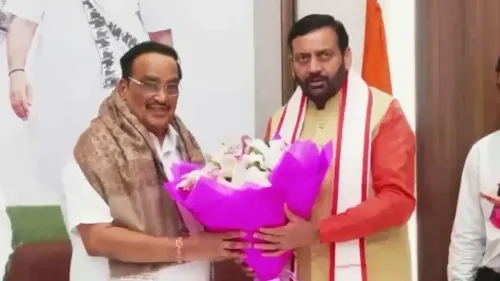
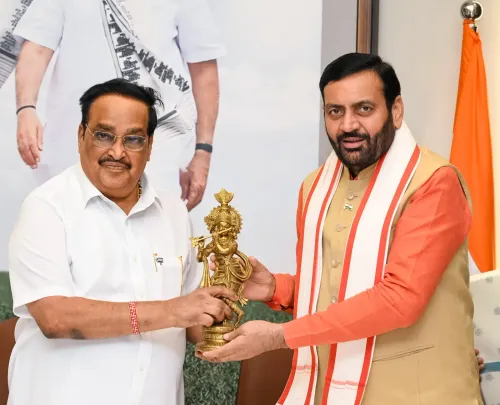
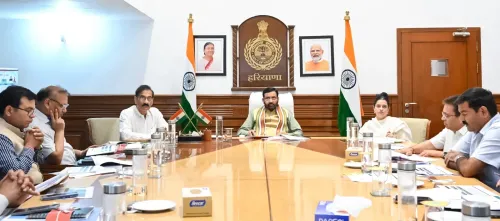
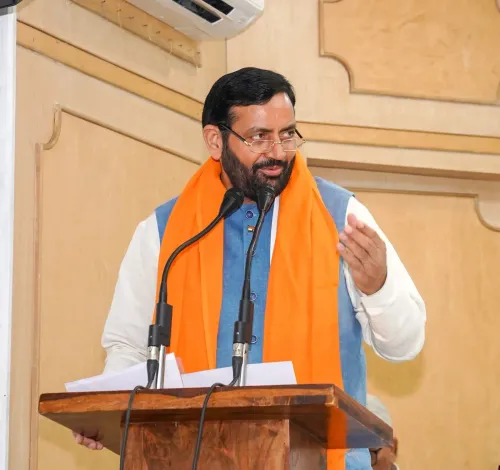
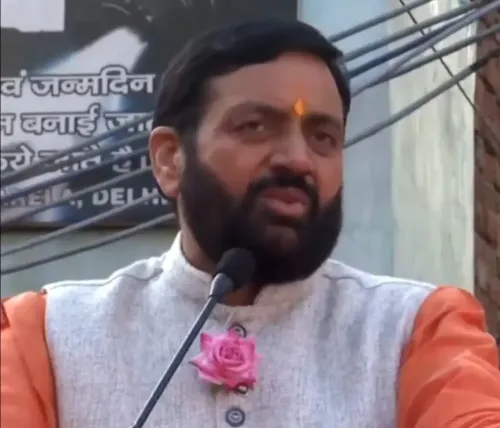
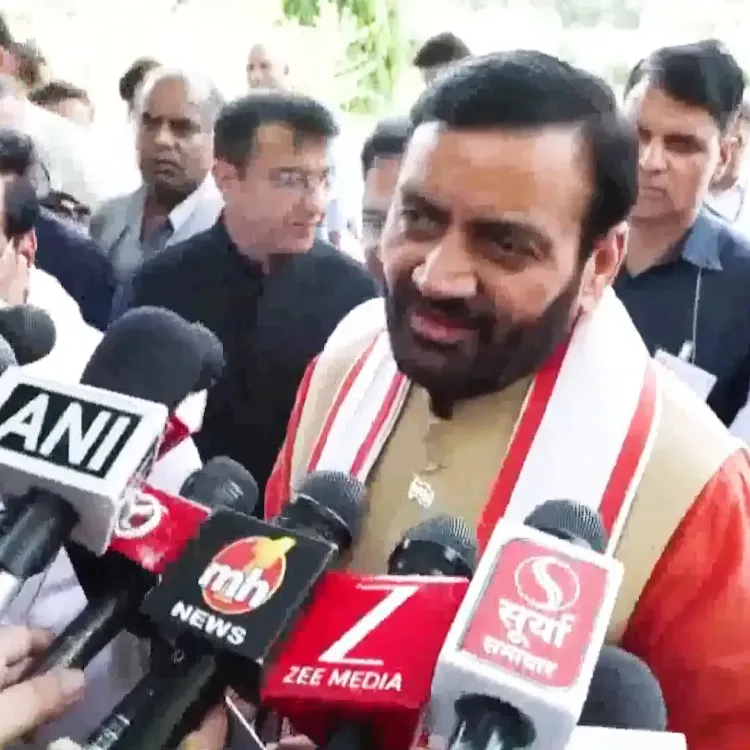
Haryana Chief Minister Nayab Singh Saini on Tuesday, 23 June 2026 highlighted the Lakhwar, Kishau, and Renuka Dam projects as key water-security initiatives set to benefit the people of Haryana, Rajasthan, and Delhi.
Context
In his post on X, CM Saini stated — 'Lakhwar aur Kishau Renuka bandh pariyojanaon se milega Haryana, Rajasthan aur Delhi ke logon ko laabh' — ('The people of Haryana, Rajasthan and Delhi will benefit from the Lakhwar and Kishau-Renuka dam projects'). The statement underscores the Bharatiya Janata Party-led Haryana government's continued push to accelerate long-pending Yamuna basin storage infrastructure.
All three projects fall within the Yamuna river basin: the Lakhwar Dam and Kishau Dam are proposed on the Yamuna and its Tons tributary in Uttarakhand, while the Renuka Dam is proposed on the Giri river in Himachal Pradesh. Together, they are intended to augment water storage and supply to downstream states, particularly during lean summer months.
Policy Backdrop
The foundation for these projects was laid by a 1994 Memorandum of Understanding signed by basin states — Haryana, Delhi, Rajasthan, and Uttar Pradesh — for regulated sharing of Yamuna waters and development of upstream storage. The Upper Yamuna River Board was established to oversee allocation and project execution among these states.
Despite decades of planning, implementation has been repeatedly stalled by pending environmental and forest clearances, land acquisition challenges, and disputes over cost-sharing among the participating states. Successive Haryana governments have consistently positioned these dams as non-negotiable for the state's long-term water security.
Stakeholders and Impact
Haryana's farming communities stand to gain from improved irrigation flows during dry seasons, while Delhi residents — who already face acute summer water shortages — could see a more reliable municipal supply. Rajasthan households, particularly in districts dependent on the Yamuna basin, are also identified as direct beneficiaries.
The projects are being monitored by the Jal Shakti Ministry at the Centre, which controls funding releases and coordinates with state governments on project milestones. Environmental clearances from the Ministry of Environment, Forest and Climate Change remain a critical bottleneck.
What's Next
Progress on the three dams will hinge on resolution of pending environmental and forest clearances and the timely release of central funds under the Jal Shakti framework. CM Saini's public emphasis on these projects signals that Haryana intends to keep pressure on both the Centre and co-basin states to move from planning to execution. If clearances and inter-state agreements are expedited, the dams could significantly reshape water availability across the National Capital Region and beyond for decades to come.
Point of View
Kishau, and Renuka projects fade into bureaucratic limbo. By framing the dams as a tri-state benefit — covering Haryana, Delhi, and Rajasthan — he broadens the political coalition in favour of faster implementation, making it harder for any single party to block progress. The timing also fits a broader BJP pattern of using infrastructure optics to reinforce governance credentials ahead of electoral cycles. The real test, however, remains on the ground: environmental clearances and inter-state cost-sharing have defeated similar momentum before.
NationPress
23 Jun 2026
Frequently Asked Questions
What are the Lakhwar, Kishau, and Renuka dam projects?
These are three proposed multipurpose storage dams in the Yamuna river basin. The Lakhwar and Kishau dams are planned in Uttarakhand on the Yamuna and Tons rivers respectively, while the Renuka Dam is proposed on the Giri river in Himachal Pradesh. All three are intended to store water for downstream states.
Which states will benefit from these dam projects?
Haryana, Delhi, and Rajasthan are the primary downstream beneficiaries, receiving irrigation water, drinking water supply, and in some cases hydroelectric power from the projects.
Why have these dam projects been delayed for so long?
The projects have been delayed due to pending environmental and forest clearances, land acquisition challenges, and unresolved disputes over cost-sharing among the basin states — issues that have persisted since the 1994 inter-state MoU.
What is the Upper Yamuna River Board?
The Upper Yamuna River Board is a statutory body that oversees the allocation of Yamuna waters and coordinates development of storage projects among the basin states of Haryana, Delhi, Rajasthan, and Uttar Pradesh.
What did Haryana CM Nayab Singh Saini say about these dam projects?
On 23 June 2026, CM Saini posted on X stating that the Lakhwar, Kishau, and Renuka dam projects will benefit the people of Haryana, Rajasthan, and Delhi, reaffirming his government's push to accelerate these long-pending water infrastructure initiatives.