CM Saini joins Jal Shakti meet on Haryana-Rajasthan water sharing
Synopsis
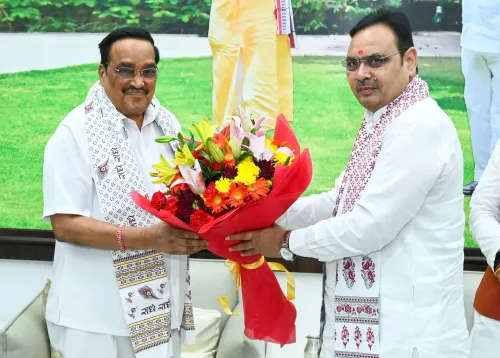
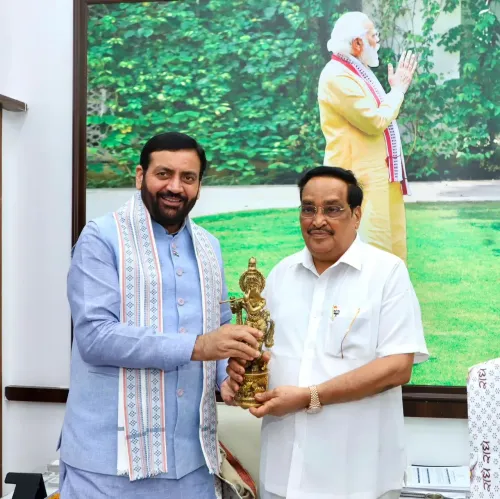
Haryana CM Nayab Singh Saini and Rajasthan CM Bhajanlal Sharma met under Union Jal Shakti Minister C.R. Patil in New Delhi on 23 June 2026 for detailed discussions on inter-state water distribution, signalling a cooperative push toward equitable water resource management.
Key Takeaways
Haryana CM Nayab Singh Saini and Rajasthan CM Bhajanlal Sharma attended a joint meeting on 23 June 2026 in New Delhi .
The meeting was chaired by Union Jal Shakti Minister C.R.
Discussions covered 'various issues related to water distribution' between Haryana and Rajasthan.
Saini described the talks as 'detailed and positive,' aimed at equitable and effective water management.
The format reflects the Centre's preference for negotiated inter-state water solutions over tribunal references.
Farmer communities in both states are the primary stakeholders in any revised water allocation or release schedule.
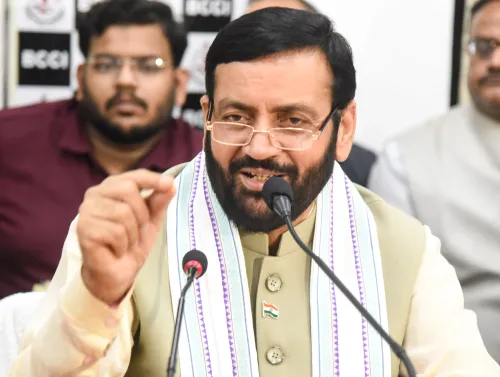
Haryana Chief Minister Nayab Singh Saini on Tuesday, 23 June 2026, participated in a high-level meeting in New Delhi chaired by Union Jal Shakti Minister C.R. Patil, alongside Rajasthan Chief Minister Bhajanlal Sharma, to discuss inter-state water distribution between the two states.
Context
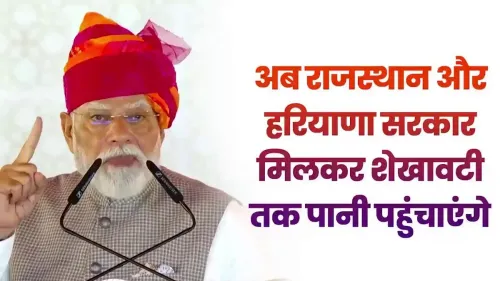
Saini posted on X that the meeting involved 'detailed and positive discussions' (विस्तृत एवं सकारात्मक चर्चा) on various issues related to water distribution between Haryana and Rajasthan. He stated the shared goal is to ensure 'meaningful solutions in the direction of equitable and effective management of water resources through the spirit of dialogue and cooperation.'
The trilateral format — two Chief Ministers convened under a Union Minister's chairmanship — reflects the central government's preferred mechanism for managing shared river resources without fresh tribunal references.
Policy Backdrop
Water sharing between Haryana and Rajasthan is rooted in decades-old federal agreements. The 1976 and 1981 tripartite agreements on the Ravi-Beas system and the Ravi-Beas Waters Tribunal's 1987 award remain the foundational reference points for allocation among the basin states.
The Sutlej-Yamuna Link (SYL) canal project, conceived to operationalise water shares from the Ravi-Beas system, has remained a persistent flashpoint across state boundaries. The National Water Policy of 2012 called for basin-level planning and sustained centre-state dialogue — the framework within which Monday's meeting sits.
The Jal Shakti Ministry, which oversees national water resources and inter-state river dispute coordination, has increasingly served as the convening body for such bilateral and trilateral discussions, signalling a preference for negotiated outcomes over prolonged litigation.
Stakeholders and Impact
The most direct stakeholders are the farming communities of both states, who depend on assured water release schedules for irrigation across the Kharif and Rabi crop cycles. Haryana's canal-irrigated belt and Rajasthan's arid agricultural zones are particularly sensitive to any revision in allocation or release timelines.
The involvement of both BJP-governed state administrations and the Union Ministry signals political alignment that could ease administrative follow-through on any agreed measures. Cooperative federalism between BJP-ruled states has been cited as a facilitating factor in recent inter-state resource negotiations.
What's Next
Technical follow-up meetings between state irrigation officials and the National Water Development Agency are a likely next step, as are possible revisions to seasonal water release schedules pending bureaucratic review. Any concrete allocation figures or formal decisions from the 23 June meeting would require official notification before they can be treated as settled policy.
With both states entering the monsoon-adjacent planning window, the pace of follow-up will signal how seriously the political momentum from this meeting is translated into administrative action.
Point of View
Rajasthan and the Union government all under the same party, the political friction that historically paralysed such talks is structurally reduced — though administrative and legal complexity remains. The framing of 'dialogue and cooperation' by Saini is deliberate: it positions both states as willing partners rather than adversaries, which matters ahead of any formal agreement that would need to survive legal scrutiny. What remains to be seen is whether the political goodwill translates into binding, time-bound commitments on water releases before the next crop cycle.
NationPress
22 Sept 2026
Frequently Asked Questions
Why did Haryana and Rajasthan hold water talks in June 2026?
The two states met under Union Jal Shakti Minister C.R. Patil on 23 June 2026 to discuss inter-state water distribution issues, continuing a pattern of central facilitation for resolving long-standing river water allocation disputes.
What is the Jal Shakti Ministry's role in inter-state water disputes?
The Jal Shakti Ministry oversees national water resources and coordinates inter-state river water negotiations, often convening state governments to reach negotiated solutions in preference to fresh tribunal references.
What is the background of the Haryana-Rajasthan water dispute?
Water sharing between Haryana and Rajasthan is governed by tripartite agreements dating to 1976 and 1981 and the Ravi-Beas Waters Tribunal's 1987 award, which set allocation benchmarks that remain contested in implementation.
Who attended the Jal Shakti water meeting on 23 June 2026?
Union Jal Shakti Minister C.R. Patil chaired the meeting, with Haryana Chief Minister Nayab Singh Saini and Rajasthan Chief Minister Bhajanlal Sharma as the state-level participants.
What happens after the Haryana-Rajasthan water talks?
Technical follow-up meetings between state irrigation departments and the National Water Development Agency are the expected next step, with any formal allocation decisions requiring official notification before taking effect.