CM Nayab Saini joins Jal Shakti meet on Haryana-Rajasthan water row
Synopsis
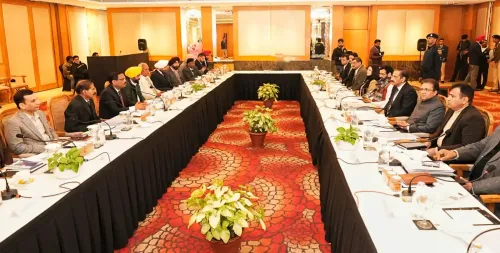
Chief Ministers of Haryana and Rajasthan met Union Jal Shakti Minister C.R. Patil in New Delhi on June 23, 2026, for high-level talks on inter-state water distribution, with the CMO describing the discussions as extensive and positive.
Key Takeaways
The meeting was held in New Delhi on June 23, 2026 , chaired by Union Jal Shakti Minister C.R.
Haryana CM Nayab Singh Saini and Rajasthan CM Bhajan Lal Sharma both participated.
Discussions focused on water distribution between Haryana and Rajasthan across multiple issues.
The CMO described the talks as 'extensive and positive,' with discussions ongoing at time of posting.
The meeting follows a long pattern of Union-mediated inter-state water talks rooted in the 1994 Yamuna MoU .
Farmers and irrigation departments in both states are the primary stakeholders in any outcome.
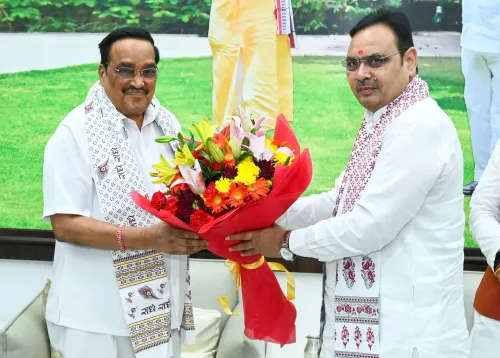
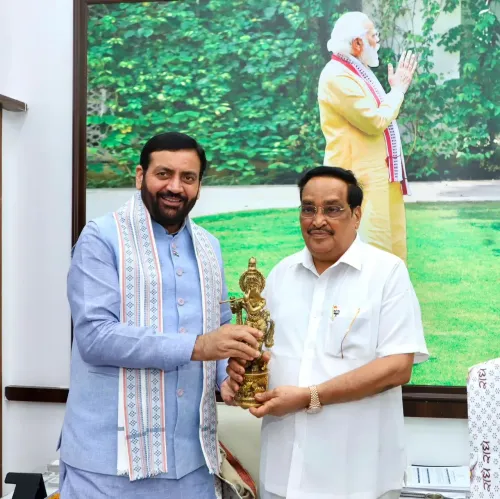
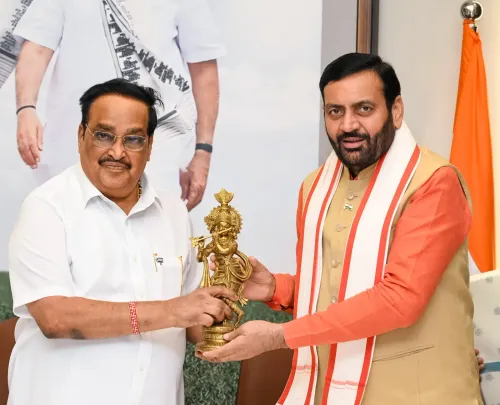
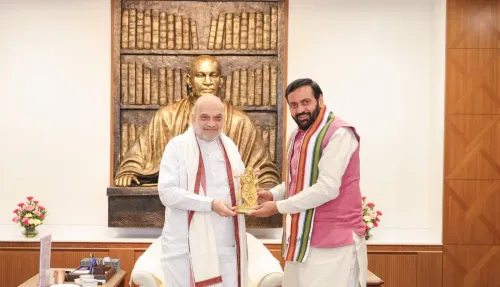
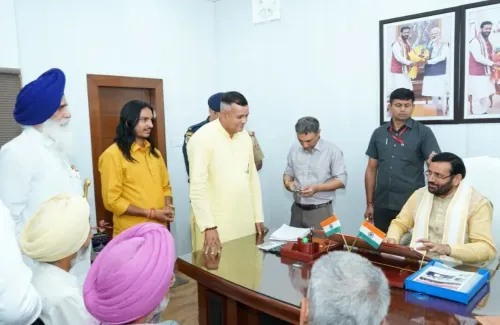
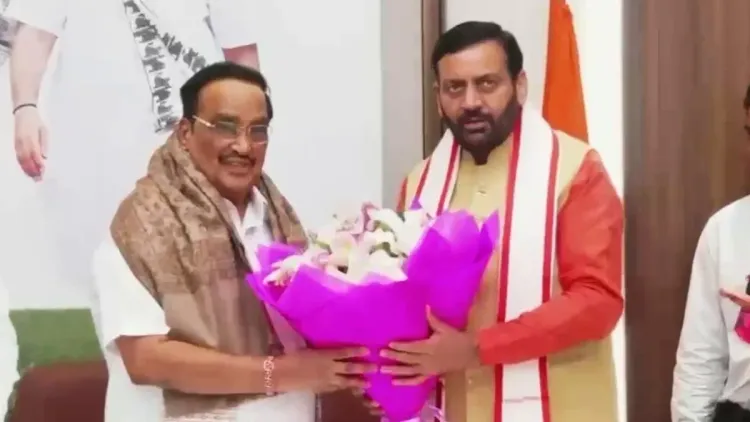
New Delhi, June 23, 2026 — The Chief Minister's Office of Haryana announced on Tuesday that Chief Minister Nayab Singh Saini participated in a high-level meeting in New Delhi chaired by Union Minister for Jal Shakti C.R. Patil, alongside Rajasthan Chief Minister Bhajan Lal Sharma, to hold detailed discussions on water distribution between the two states.
The CMO posted in Hindi that the meeting involved 'विस्तृत एवं सकारात्मक चर्चा' ('extensive and positive discussions') on various issues related to water sharing between Haryana and Rajasthan.
Context
Inter-state water sharing between Haryana and Rajasthan has been a recurring flashpoint, with both states drawing on the Yamuna and Sutlej river systems. The June 23 meeting was convened under the auspices of the Ministry of Jal Shakti, the central body responsible for mediating such disputes. Under India's constitutional framework, water is a state subject, but inter-state rivers fall under Union oversight, making central facilitation essential.
Policy Backdrop
The roots of the current framework go back to the 1994 Memorandum of Understanding signed by Haryana, Rajasthan, Uttar Pradesh, Himachal Pradesh, and Delhi for Yamuna river water allocation. Periodic shortfalls in canal releases and seasonal demand spikes have since necessitated regular high-level reviews. The Ministry of Jal Shakti, created in 2019 by merging the water resources and drinking water ministries, has been the primary forum for such inter-state negotiations.
Stakeholders and Impact
The most directly affected are farmers in Haryana and Rajasthan, who depend on canal-fed irrigation for kharif and rabi crops. State irrigation departments on both sides monitor water releases closely, especially ahead of sowing seasons. Any revised allocation or release schedule emerging from these talks would have immediate implications for agricultural planning across both states.
What's Next
The CMO's statement described discussions as 'ongoing' at the time of posting, indicating the meeting had not yet concluded. Follow-up steps could include the formation of a joint technical committee or a revised water release schedule agreed upon by both state governments under central supervision. Officials from both states' irrigation departments are expected to be involved in any implementation mechanism that follows.
Point of View
Suggesting both states are under pressure to project cooperation ahead of the kharif sowing season. Centrally mediated water talks of this kind also serve a dual purpose: resolving technical allocation disputes while reinforcing the Union government's role as arbiter in federal resource conflicts. Whether the positivity translates into binding commitments will be the real test.
NationPress
22 Sept 2026
Frequently Asked Questions
Why did Haryana and Rajasthan hold water talks in June 2026?
The two states met in New Delhi on June 23, 2026, under Union Jal Shakti Minister C.R. Patil to resolve ongoing disputes over water distribution from shared river systems, particularly ahead of the agricultural sowing season.
Who chaired the Haryana-Rajasthan water meeting in New Delhi?
Union Minister for Jal Shakti C.R. Patil chaired the meeting, with Haryana CM Nayab Singh Saini and Rajasthan CM Bhajan Lal Sharma in attendance.
What rivers are at the centre of the Haryana-Rajasthan water dispute?
The Yamuna and Sutlej river systems are the primary sources of contention, with both states sharing allocations under a framework that includes the 1994 Yamuna Memorandum of Understanding.
What is the Ministry of Jal Shakti's role in inter-state water disputes?
The Ministry of Jal Shakti facilitates negotiations between states over shared river waters, as inter-state rivers fall under Union oversight even though water is constitutionally a state subject.
What outcome is expected from the June 23 Jal Shakti meeting on Haryana-Rajasthan water?
Possible outcomes include a revised water release schedule or the formation of a joint technical committee; however, no formal commitments have been announced as of the time of the CMO's post.