Rajasthan water share: 1994 Yamuna pact deal set, MoU on Monday
Synopsis
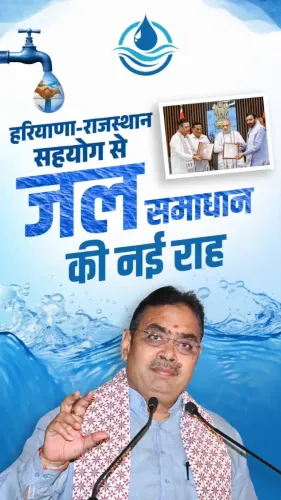
After years of dormancy, the 1994 Upper Yamuna River Board Agreement is finally getting teeth — Rajasthan will now receive its allocated water share through a dedicated pipeline, with a formal MoU between Haryana and Rajasthan set for Monday. The deal, brokered by Union Jal Shakti Minister C.R. Patil, could ease a chronic drinking water crisis across a large part of Rajasthan.
Key Takeaways
Union Jal Shakti Minister C.R.
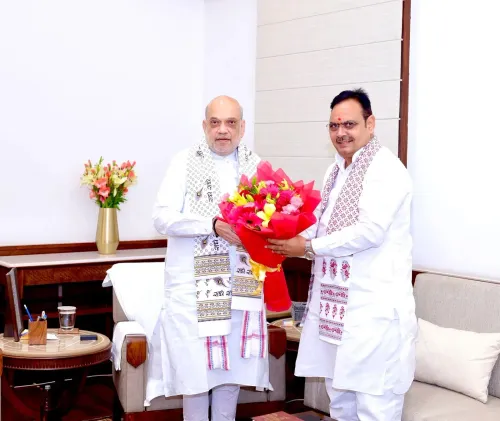
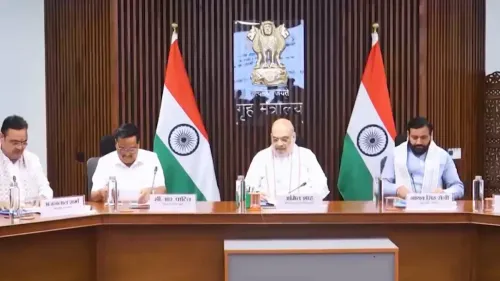
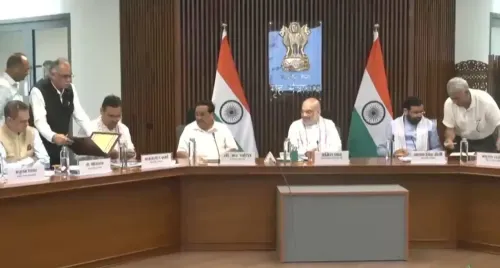
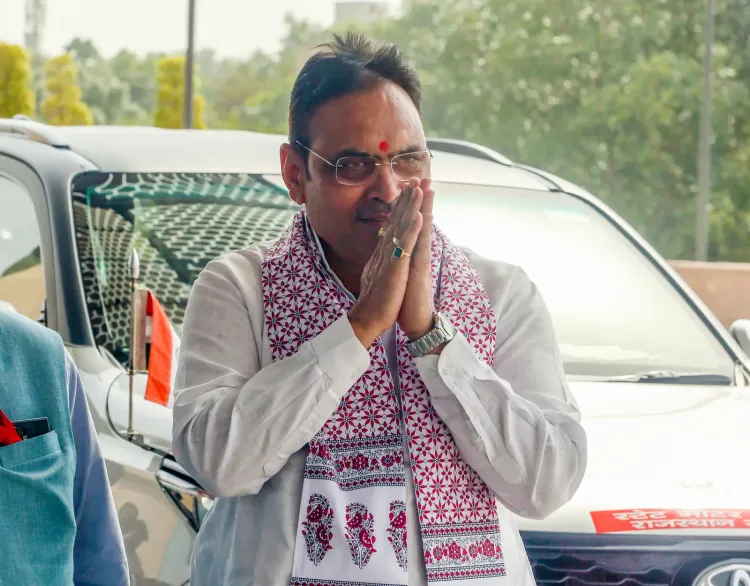
Patil chaired a meeting on 23 June in New Delhi with Haryana CM Nayab Singh Saini and Rajasthan CM Bhajanlal Sharma .
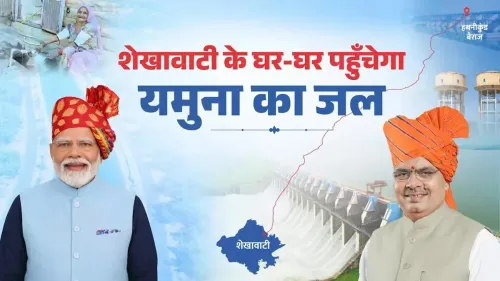
Rajasthan will receive its allocated water share under the 1994 Upper Yamuna River Board Agreement via a dedicated pipeline.
A formal MoU between the two states is scheduled to be signed on Monday .
Haryana CM Saini flagged the Renuka, Kishau, and Lakhwar dam projects as critical for northern India's water security.
Separate treatment plants are to be set up to prevent polluted water from entering the Ghaggar River .
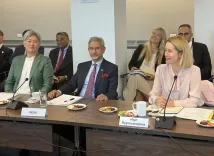
Union Jal Shakti Minister C.R. Patil on Tuesday, 23 June chaired a high-level meeting in New Delhi with Haryana Chief Minister Nayab Singh Saini and Rajasthan Chief Minister Bhajanlal Sharma to resolve long-pending inter-state water disputes, culminating in a decision to supply Rajasthan's allocated water share through a dedicated pipeline under the 1994 Upper Yamuna River Board Agreement. A formal memorandum of understanding (MoU) is scheduled to be signed on Monday.
Key Developments
The central point of the meeting was the operationalisation of Rajasthan's water entitlement under the decades-old 1994 Upper Yamuna River Board Agreement, which had remained largely unimplemented. Officials confirmed that the allocated share will now be delivered via a pipeline — a concrete mechanism that had previously been absent from the arrangement.
This comes amid growing water stress across northern India, where inter-state river disputes have repeatedly stalled equitable distribution of shared resources.
What the Chief Ministers Said
Haryana CM Nayab Singh Saini affirmed that his state recognises Rajasthan's legal right to water under the agreement and committed to ensuring timely supply. He underscored that coordinated water management among states is the most effective path to benefiting all regions.
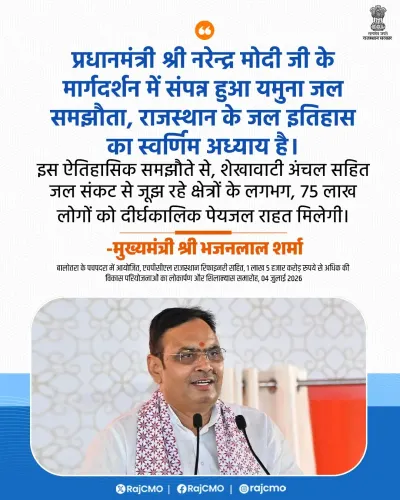
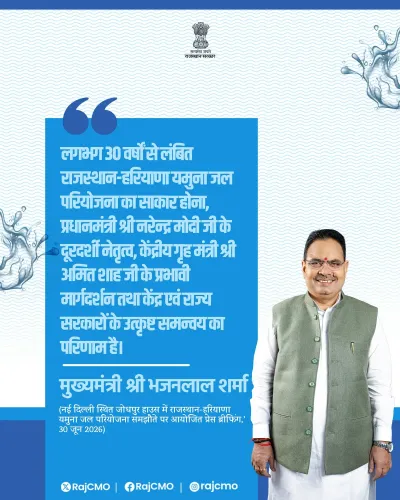
Rajasthan CM Bhajanlal Sharma stressed that the state is seeking only what is rightfully allocated to it under the pact. He noted that effective utilisation of surplus monsoon water flowing in rivers — if channelled to Rajasthan — could offer a permanent solution to the drinking water crisis affecting a large portion of the state.
Dam Projects and Future Water Security
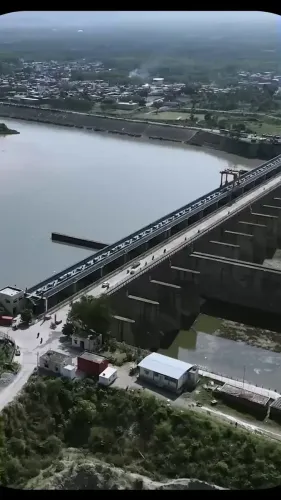
CM Saini also highlighted the critical importance of the Renuka, Kishau, and Lakhwar dam projects for northern India's long-term water security. He said efforts to accelerate the implementation of these projects would be intensified, as they are expected to significantly enhance irrigation capacity and strengthen drinking water availability across the region.
Ghaggar River Pollution and Environmental Protection
The issue of polluted water flowing into the Ghaggar River was also raised during the meeting. CM Saini said separate treatment plants would be established to process wastewater entering the Ghaggar canal, preventing untreated effluents from contaminating the river and safeguarding environmental health.
What Happens Next
Union Minister Patil directed concerned officials to act promptly on all decisions taken at the meeting, emphasising that sustained inter-state coordination is essential for effective water resource utilisation and conservation. The signing of the MoU on Monday is expected to formally bind both states to the pipeline supply arrangement, with implementation timelines to follow.
Point of View
Rooted in arid geography and rising demand, and a pipeline arrangement alone will not resolve it without credible monitoring of actual water releases. The acceleration of the Renuka, Kishau, and Lakhwar dam projects — long delayed — will matter far more in the medium term than any MoU signed this Monday.
NationPress
22 Sept 2026
Frequently Asked Questions
What was decided at the New Delhi water meeting on 23 June?
It was decided that Rajasthan will receive its allocated water share under the 1994 Upper Yamuna River Board Agreement through a dedicated pipeline. A formal MoU between Haryana and Rajasthan is set to be signed on Monday.
What is the 1994 Upper Yamuna River Board Agreement?
The 1994 Upper Yamuna River Board Agreement is an inter-state pact that allocates shares of Yamuna river water among northern Indian states, including Haryana and Rajasthan. Its implementation has faced repeated delays over the decades.
Why does Rajasthan need this water supply?
Rajasthan faces a chronic drinking water crisis, particularly in its arid regions. According to Rajasthan CM Bhajanlal Sharma, effective utilisation of surplus monsoon river water channelled to the state could provide a permanent solution to the crisis affecting a large part of Rajasthan.
What are the Renuka, Kishau, and Lakhwar dam projects?
The Renuka, Kishau, and Lakhwar projects are major dam initiatives identified as critical for meeting the long-term water requirements of northern Indian states. Haryana CM Nayab Singh Saini said efforts to accelerate their implementation would be intensified.
What steps are being taken to address Ghaggar River pollution?
Separate water treatment plants are to be established to process wastewater before it enters the Ghaggar canal, preventing untreated effluents from flowing into the Ghaggar River and protecting water quality and the environment.