CM Conrad Sangma Reviews Rs 11 Cr Baghmara Hospital Upgrade
Synopsis
Meghalaya CM Conrad Sangma reviewed ongoing infrastructure works worth over Rs 11 crore at Baghmara Civil Hospital in South Garo Hills on 9 July 2026. Key additions include a NICU, a 50-bed Mother and Child Health wing, a blood bank, and the upgrade of Chokpot CHC to a First Referral Unit.
Key Takeaways
CM Conrad Sangma conducted an on-site review of Baghmara Civil Hospital in South Garo Hills on 9 July 2026 .
Ongoing works at the hospital are valued at over Rs 11 crore , covering an outpatient block, overhead water tank, and staff quarters.
New facilities being added include a Neonatal Intensive Care Unit (NICU) , a 50-bedded Mother and Child Health wing , and a blood bank .
Chokpot CHC is being upgraded to First Referral Unit status, enabling round-the-clock emergency obstetric care in the block.
The CM directed officials to complete all works 'on priority and with quality,' and tagged Union Health Minister JP Nadda , indicating central coordination.
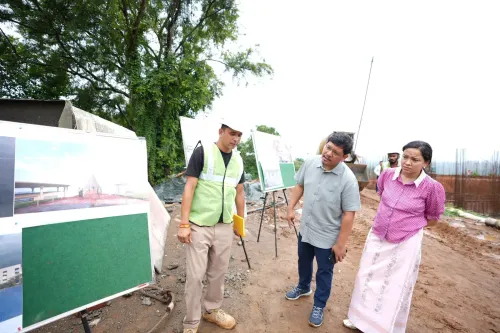
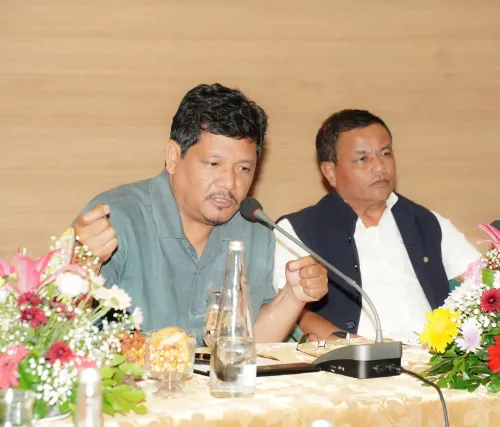
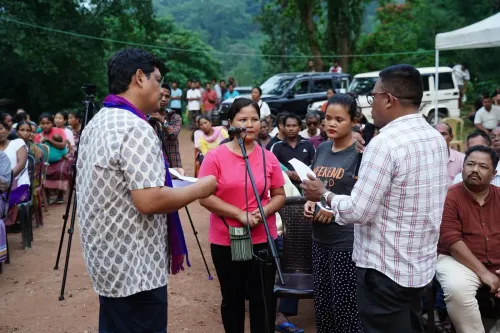
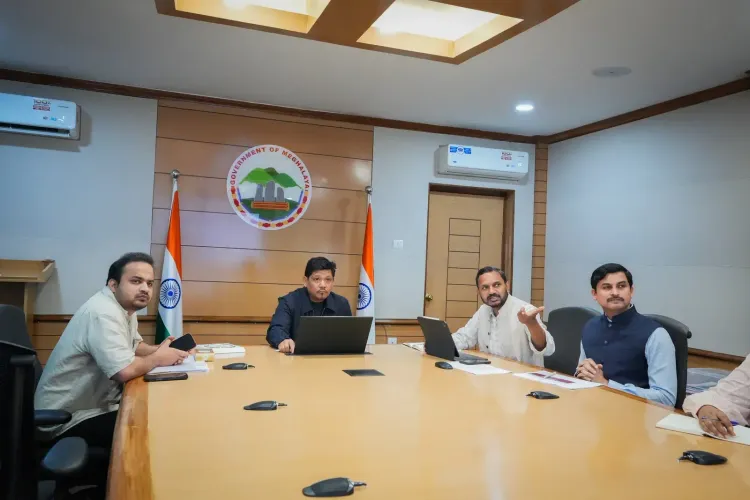
Meghalaya Chief Minister Conrad Sangma on Thursday, 9 July 2026, conducted an on-site review of infrastructure works at Baghmara Civil Hospital in South Garo Hills, accompanied by Additional Chief Secretary (Health) Dr. Sampath Kumar, the district's Deputy Commissioner, and senior health officials.
Context
Baghmara Civil Hospital serves as the primary secondary-care facility for the predominantly Garo tribal communities of South Garo Hills, one of Meghalaya's eleven districts located in the southwestern part of the state. The hospital's catchment area covers a geographically dispersed, underserved population with historically limited access to specialist care. Chief Minister Sangma stated that ongoing works at the facility are valued at over Rs 11 crore, aimed at strengthening it into a 'dependable centre of care for the people of South Garo Hills.'
The review encompassed multiple concurrent works: a refurbished outpatient block described as 'almost ready,' an overhead water tank under construction, and staff quarters being renovated. The Chief Minister also directed the team to 'complete every work on priority and with quality.'
Policy Backdrop
The upgrades align with the framework of the National Health Mission (NHM), operational since 2013, which provides central government support to states for the strengthening of district hospitals and Community Health Centres in underserved regions, including the Northeast. Ayushman Bharat, launched in 2018, similarly includes provisions for bolstering secondary and tertiary care infrastructure in states such as Meghalaya.
Sangma's post tagged JP Nadda, Union Minister of Health and Family Welfare, signalling coordination between the state government and the Union Health Ministry — a pattern consistent with how Meghalaya has approached centrally-assisted health projects in the past. State governments across the Northeast have increasingly prioritised incremental upgrades to existing district facilities to work around geographic and human-resource constraints in tribal areas.
Stakeholders and Impact
The most direct beneficiaries are the residents of South Garo Hills, particularly mothers and newborns, who stand to gain from the addition of a Neonatal Intensive Care Unit (NICU) and a 50-bedded Mother and Child Health (MCH) wing. A new blood bank at Baghmara Civil Hospital will further reduce referral distances for emergency cases that currently require patients to travel to larger centres.
The upgrade of Chokpot Community Health Centre (CHC) to First Referral Unit (FRU) status is equally significant: FRU designation requires round-the-clock obstetric care and blood storage, meaning residents of Chokpot block would gain access to emergency maternal care closer to home. Sangma underscored this priority, noting that 'good healthcare close to home remains one of our foremost commitments to the people of the Garo Hills.'
What's Next
Attention will now focus on completion timelines and quality audits for the NICU, the 50-bed MCH wing, and the blood bank — facilities whose utility depends on being staffed and operationalised, not merely constructed. The Chief Minister's directive to prioritise quality alongside speed suggests an awareness of past concerns about civil works in remote districts remaining incomplete or underutilised after inauguration.
Any forthcoming state budget announcements extending similar infrastructure upgrades to other districts of the Garo Hills region will indicate whether this review marks the beginning of a broader, systematic push or remains focused on Baghmara. The tagging of the Union Health Ministry also raises the possibility of additional central funding being mobilised for the project.
Point of View
MCH wing, blood bank, and FRU upgrade at a single facility reflects a strategy of concentrating upgrades at anchor institutions rather than spreading thin across the region. For the NPP, which governs Meghalaya and holds national ambitions, visible health delivery in underserved Garo Hills serves both a governance and an electoral calculus. The real test will come at operationalisation: infrastructure without staffing and supply chains rarely translates into improved health outcomes in remote Northeast districts.
NationPress
9 Jul 2026
Frequently Asked Questions
What is the total cost of works at Baghmara Civil Hospital?
The ongoing infrastructure works at Baghmara Civil Hospital in South Garo Hills are valued at over Rs 11 crore, as stated by Chief Minister Conrad Sangma during his review visit on 9 July 2026.
What new facilities are being added to Baghmara Civil Hospital?
The hospital is getting a Neonatal Intensive Care Unit (NICU), a 50-bedded Mother and Child Health wing, and a blood bank, in addition to a refurbished outpatient block, an overhead water tank, and renovated staff quarters.
What is a First Referral Unit and why is Chokpot CHC being upgraded to one?
A First Referral Unit (FRU) is a Community Health Centre equipped to provide 24-hour emergency obstetric care, newborn care, and blood storage. Chokpot CHC in South Garo Hills is being upgraded to FRU status to bring emergency maternal and child healthcare closer to residents of Chokpot block.
Who accompanied Conrad Sangma during the Baghmara hospital review?
Additional Chief Secretary (Health) Dr. Sampath Kumar, the Deputy Commissioner of South Garo Hills, and senior health officials accompanied Chief Minister Conrad Sangma during the review.
Is the Baghmara hospital upgrade linked to any central government scheme?
While the post does not specify a central scheme, the upgrades are consistent with the National Health Mission and Ayushman Bharat frameworks that support district hospital and CHC strengthening in underserved areas. Sangma also tagged Union Health Minister JP Nadda, indicating coordination with the central government.