CM Dhami: 4 Lakh Visitors at Jageshwar Dham in 2 Months

Synopsis
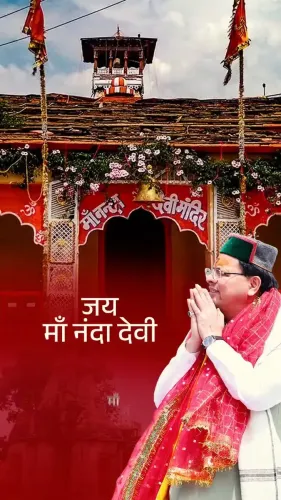
Chief Minister Pushkar Singh Dhami has highlighted that more than four lakh pilgrims and tourists visited Jageshwar Dham in Almora in just two months, crediting the ancient Shiva temple complex's growing global recognition and projecting further gains for local trade and self-employment.
Key Takeaways
CM Pushkar Singh Dhami stated that more than four lakh pilgrims and tourists visited Jageshwar Dham in the past two months .
Jageshwar Dham in Almora district, Uttarakhand , is a cluster of over 100 ancient Shiva temples recognised as a national monument.
The Chief Minister attributed the surge to the site's 'continuously growing global recognition.' CM Dhami projected that visitor numbers will rise further, benefiting local trade, tourism, and self-employment in the region.
The footfall growth aligns with Uttarakhand's Tourism Policy 2022 and the central government's PRASAD scheme for pilgrimage infrastructure.
The Uttarakhand Tourism Development Board is expected to publish official seasonal statistics that will provide verified data on the trend.
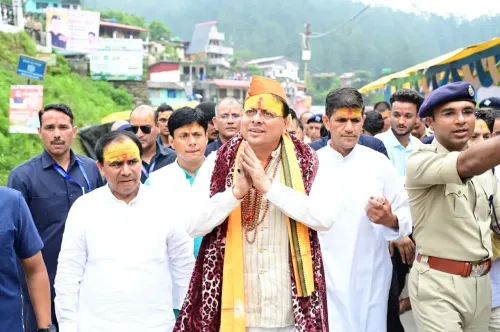
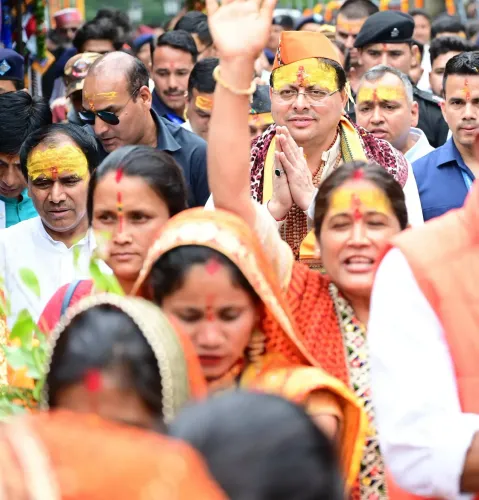
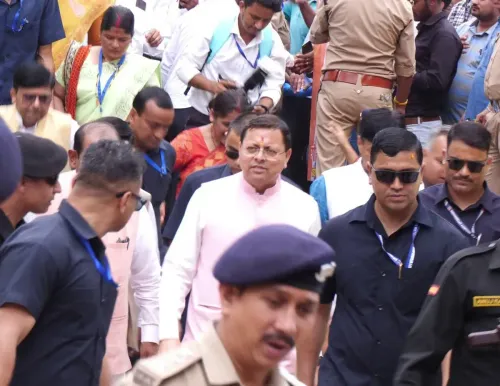
The Chief Minister's Office of Uttarakhand, on 16 July 2026, quoted Chief Minister Pushkar Singh Dhami highlighting the surging footfall at Jageshwar Dham in Almora district, stating that more than four lakh pilgrims and tourists had visited the ancient shrine complex in just the past two months. The Chief Minister attributed this to the site's growing global recognition and projected that visitor numbers would continue to rise, bringing broad benefits to local trade, tourism, and self-employment.
Context
In his statement, CM Dhami said — 'जागेश्वर धाम की निरंतर बढ़ती वैश्विक पहचान का परिणाम है कि पिछले दो महीनों में चार लाख से अधिक श्रद्धालु और पर्यटक यहां पहुंच चुके हैं' ('It is the result of Jageshwar Dham's continuously growing global recognition that more than four lakh devotees and tourists have arrived here in the last two months'). He added that this number would grow further, delivering 'wide-ranging benefits to local trade, tourism, and self-employment.'
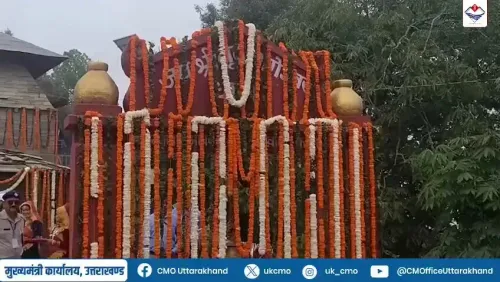
Jageshwar Dham, a cluster of more than 100 ancient Shiva temples nestled in the Himalayan forests of Almora, is recognised as a national monument and is one of the most significant Shaivite pilgrimage destinations in northern India. The site draws both domestic devotees and international visitors interested in its archaeological and spiritual heritage.
Policy Backdrop
The Government of India's PRASAD scheme, launched in 2014, identified Uttarakhand pilgrimage sites for targeted infrastructure development, providing a policy foundation for the growth now being cited at Jageshwar. Uttarakhand's Tourism Policy of 2022 further emphasised the promotion of lesser-known religious and cultural destinations to distribute economic gains more widely across the state.
The Dhami administration has consistently positioned heritage tourism as a pillar of the state's economic strategy, integrating conservation of ancient monuments with active destination marketing directed at both national and international audiences. Jageshwar's rising prominence fits squarely within this framework of leveraging Shaivite cultural heritage for sustainable tourism growth.
Stakeholders and Impact
The communities most directly affected by this surge in footfall are local traders, hoteliers, guides, and self-employment entrepreneurs in and around Almora. Increased pilgrim traffic translates into demand for accommodation, food, transport, and religious goods, creating a multiplier effect across the local economy.
State governments across India have increasingly spotlighted secondary pilgrimage centres to relieve pressure on overcrowded primary sites while generating year-round livelihoods in remote Himalayan regions. Jageshwar's trajectory illustrates how heritage conservation and tourism marketing, when pursued together, can produce measurable economic outcomes for communities that have historically had limited access to mainstream economic activity.
What's Next
The Uttarakhand Tourism Development Board is expected to release official seasonal visitor statistics that will provide a verified baseline for the figures cited by the Chief Minister. Any new infrastructure projects under state or central schemes targeting Jageshwar — including access roads, visitor facilities, and conservation works — will be closely watched as indicators of the government's long-term commitment to the site.
If the upward trend in footfall continues, Jageshwar Dham could emerge as a flagship case study for Uttarakhand's broader ambition of positioning the state as India's premier spiritual and adventure tourism destination, with tangible benefits flowing to some of its most economically vulnerable hill communities.
Point of View
' the administration is simultaneously pitching the site to international audiences and reinforcing its domestic heritage-tourism narrative ahead of future policy announcements. This fits a broader pattern among hill-state governments of using cultural and religious tourism as a politically resonant lever for rural employment and regional development. The coming months, and official Tourism Development Board data, will determine whether the momentum is structural or seasonal.
NationPress
16 Jul 2026
Frequently Asked Questions
What is Jageshwar Dham and where is it located?
Jageshwar Dham is a cluster of more than 100 ancient Shiva temples located in the dense forests of Almora district in Uttarakhand. It is recognised as a national monument and is one of the most important Shaivite pilgrimage sites in northern India.
How many visitors came to Jageshwar Dham in the last two months?
According to Chief Minister Pushkar Singh Dhami, more than four lakh — that is, over 400,000 — pilgrims and tourists visited Jageshwar Dham in the two months preceding his statement on 16 July 2026.
What is the PRASAD scheme and how does it relate to Jageshwar?
The PRASAD scheme, launched by the Government of India in 2014, funds infrastructure development at pilgrimage and heritage destinations across the country. Uttarakhand sites, including Jageshwar, were identified for support under this scheme, helping build the foundation for the tourism growth now being reported.
How will increased tourism at Jageshwar Dham benefit local people?
Higher footfall at Jageshwar Dham generates demand for accommodation, food, transport, and religious goods, directly benefiting local traders, hoteliers, guides, and self-employed entrepreneurs in and around Almora. CM Dhami specifically cited gains for 'local trade, tourism, and self-employment.'
What is Uttarakhand's policy on promoting lesser-known pilgrimage sites?
Uttarakhand's Tourism Policy of 2022 explicitly emphasises the promotion of lesser-known religious and cultural destinations to spread economic benefits more widely across the state, reduce overcrowding at major sites, and generate year-round livelihoods in remote Himalayan communities.