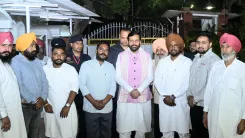
CM Dhami Backs ₹14,500 Cr Grid Storage Scheme for Uttarakhand
Synopsis
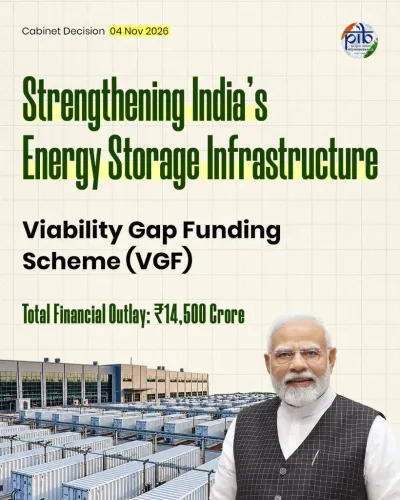
The Union Cabinet under PM Modi approved a ₹14,500 crore Grid-Scale Energy Storage Scheme to build 92 GW of storage capacity. Uttarakhand CM Dhami hailed the move as a major step for clean energy and self-reliance, calling it especially beneficial for hydro-rich mountain states like Uttarakhand.
Key Takeaways
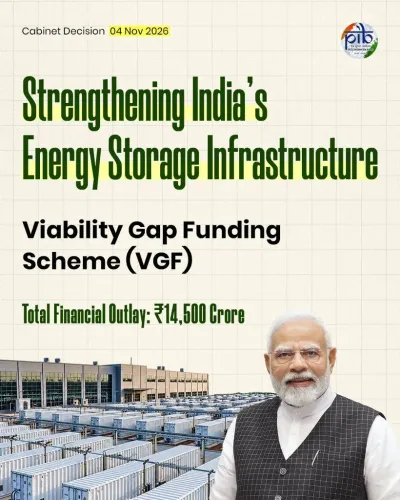
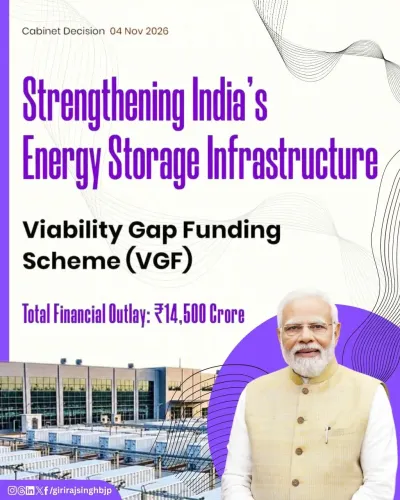
The Union Cabinet, chaired by PM Narendra Modi , approved the Grid-Scale Energy Storage Scheme worth ₹14,500 crore .
The scheme targets 92 gigawatts of new energy storage capacity across India.
It is designed to improve grid stability by integrating variable solar and wind power more reliably.
Uttarakhand CM Pushkar Singh Dhami specifically highlighted benefits for mountain states with hydroelectric and solar potential.
The scheme aligns with India's COP26 commitment to achieve 500 GW non-fossil fuel capacity by 2030 .
Pumped-hydro storage in Himalayan river systems like those in Uttarakhand is a natural fit for the scheme's goals.
A ₹14,500 crore bet on the future of Indian power just cleared the Cabinet — and Uttarakhand Chief Minister Pushkar Singh Dhami was among the first voices to frame what it means for the mountains. Approved under the chairmanship of Prime Minister Narendra Modi, the Grid-Scale Energy Storage Scheme targets 92 gigawatts of new storage capacity across the country, a number that could reshape how India handles the sun going down and the wind dying out.
What 92 GW of Storage Actually Solves
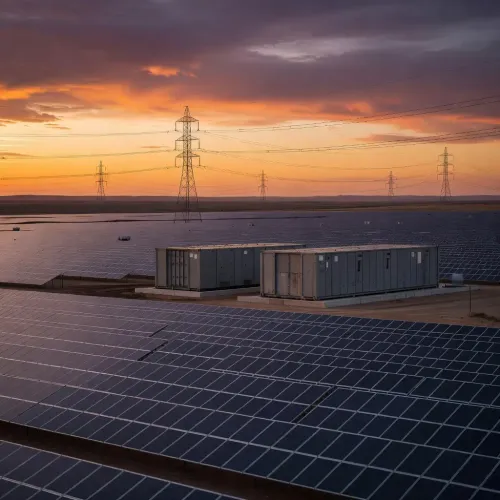
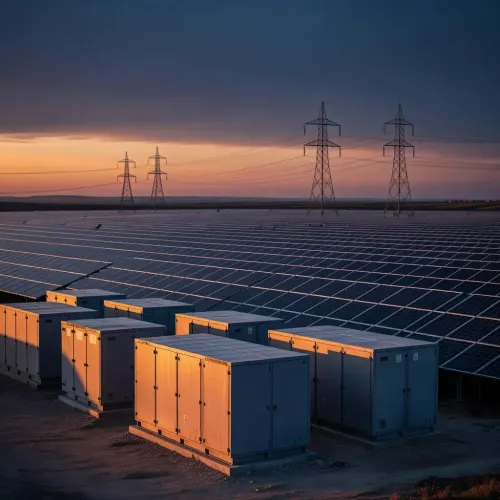
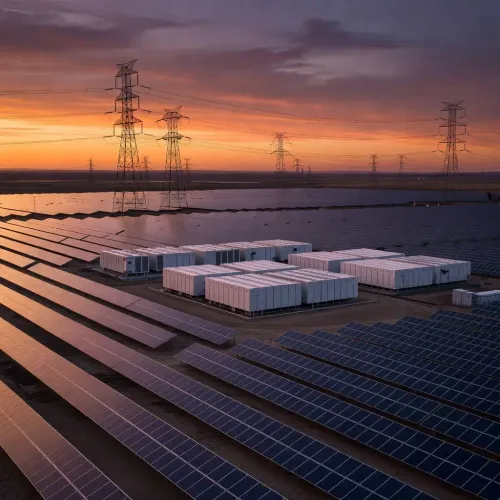
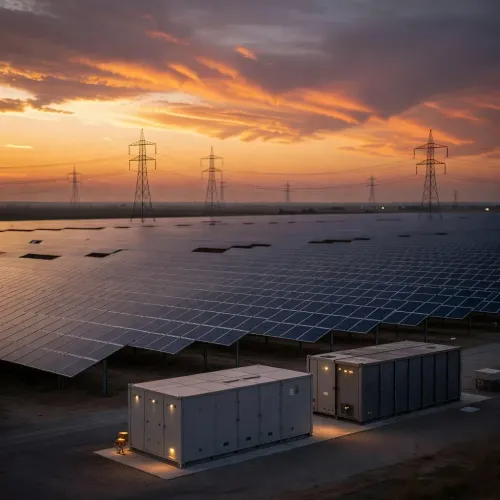
India's renewable energy buildout has a well-known Achilles heel: solar panels go dark at night and wind turbines stall in calm weather. Grid-scale storage — think massive battery banks and pumped-hydro reservoirs — holds surplus clean power and releases it on demand, smoothing out those peaks and troughs. The scheme directly targets this intermittency problem, aiming to make electricity supply more stable and reliable even as the share of variable renewables climbs.
India committed at COP26 in 2021 to reach 500 GW of non-fossil fuel capacity by 2030. Without storage at scale, hitting that target risks flooding the grid with power it cannot absorb — or leaving consumers in the dark when generation dips. The ₹14,500 crore outlay is designed to close that gap.
Why Uttarakhand Stands to Gain
CM Dhami, posting in Hindi on Wednesday, 4 November 2026, called the approval 'ऊर्जा क्षेत्र में आत्मनिर्भरता की दिशा में महत्वपूर्ण कदम' — 'an important step towards self-reliance in the energy sector.' He specifically flagged Uttarakhand as a state with 'immense potential in hydroelectric and solar energy' that stands to benefit in a special way.
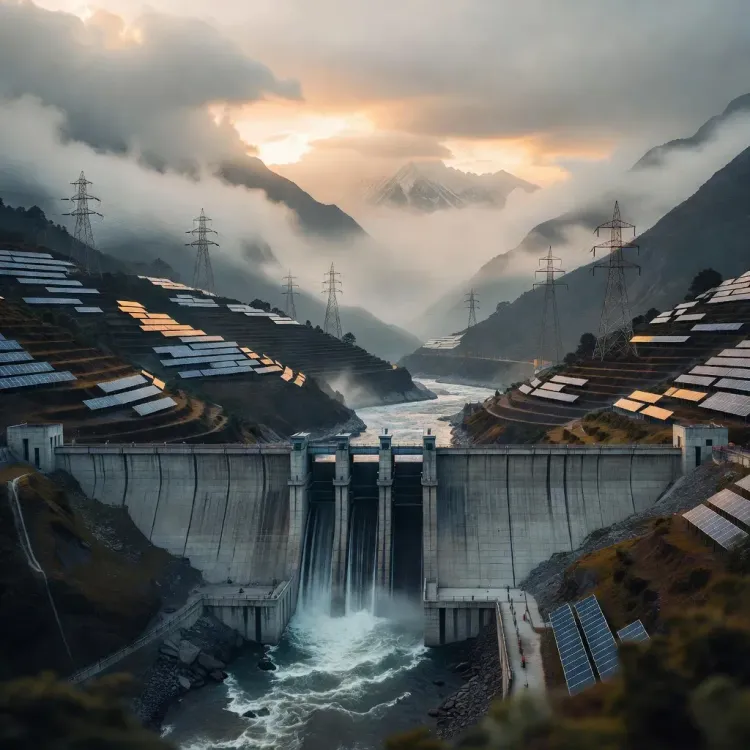
The logic is straightforward. Uttarakhand's river systems — fed by Himalayan glaciers — make it one of India's most promising hydropower geographies. Pumped-hydro storage, which uses excess electricity to pump water uphill and then releases it through turbines when needed, is a natural fit for such terrain. A national scheme that incentivises grid-scale storage creates a framework for the state to monetise those assets more effectively, while also integrating the solar capacity its valleys and ridgelines can host.
Energy Security as Political Vocabulary
Dhami tied the Cabinet decision explicitly to the vision of a 'विकसित एवं आत्मनिर्भर भारत' — 'developed and self-reliant India' — while adding an Uttarakhand-specific phrase: 'ऊर्जा समृद्ध उत्तराखंड', or 'energy-prosperous Uttarakhand.' That framing is deliberate. For a hill state dependent on central transfers and seasonally constrained economic activity, positioning itself as an energy exporter to the national grid is both economic strategy and political identity.
Renewable energy developers and state power utilities are the immediate beneficiaries to watch. The critical next question — which the scheme's implementation will answer over the coming months — is how project allocations are distributed across states, and whether Uttarakhand and other Himalayan states receive dedicated hydro-linked storage mandates.
India's clean-energy ambition has long run ahead of the grid's ability to hold it. With 92 GW of storage now in the government's crosshairs, the infrastructure may finally be catching up to the promise.
Point of View
The 500 GW target risks being a generation number that the grid cannot actually use. CM Dhami's swift endorsement follows a pattern of BJP-governed states aligning with central clean-energy narratives to attract project investment, but Uttarakhand's case has genuine geographic merit: its river-valley terrain is among the most cost-effective in India for pumped-hydro. The real policy test arrives in implementation — specifically whether Himalayan states receive differentiated storage mandates that leverage their hydrology, or whether allocations default to larger, flatter states with more established power infrastructure.
NationPress
5 Nov 2026
Frequently Asked Questions
What is the Grid-Scale Energy Storage Scheme approved by the Cabinet?
It is a central government scheme worth ₹14,500 crore that aims to develop 92 gigawatts of large-scale energy storage capacity across India, enabling better integration of solar and wind power into the electricity grid.
Why is energy storage important for India's renewable energy goals?
Solar and wind energy are intermittent — they generate power only when the sun shines or wind blows. Grid-scale storage holds surplus clean electricity and releases it when generation drops, making the grid stable. This is essential for India to achieve its 500 GW non-fossil fuel target by 2030 .
How will Uttarakhand benefit from the Grid-Scale Energy Storage Scheme?
Uttarakhand has significant hydroelectric and solar potential. The scheme creates opportunities for pumped-hydro storage projects in the state's Himalayan river systems, allowing it to store and supply clean energy to the national grid more efficiently.
What did CM Pushkar Singh Dhami say about the Cabinet energy storage decision?
CM Dhami called it 'an important step towards self-reliance in the energy sector,' adding that it would be especially beneficial for mountain states like Uttarakhand and would support the vision of an energy-prosperous Uttarakhand.
What is pumped-hydro storage and why does it suit Himalayan states?
Pumped-hydro storage uses surplus electricity to pump water uphill into a reservoir, then releases it through turbines to generate power on demand. Himalayan states like Uttarakhand have natural elevation differences and river systems that make this technology highly viable and cost-effective.