CM Dhami Backs NCC Expansion Into Uttarakhand's Border Zones
Synopsis
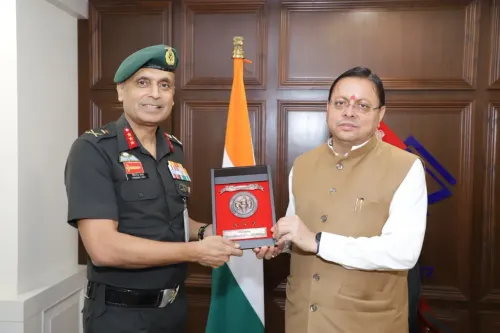
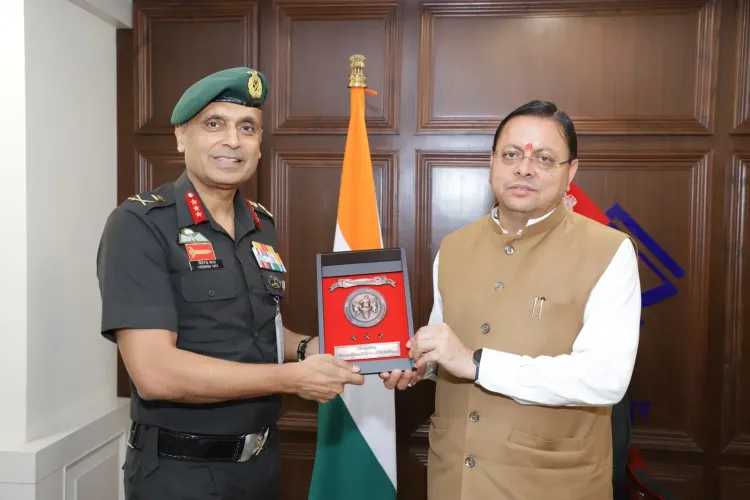
Chief Minister Pushkar Singh Dhami met NCC Director General Lt Gen Virendra Vats at Uttarakhand Niwas in New Delhi on 6 August 2026, pledging full state support for new NCC units in border and remote districts and a proposed NCC Academy in the state.
Key Takeaways
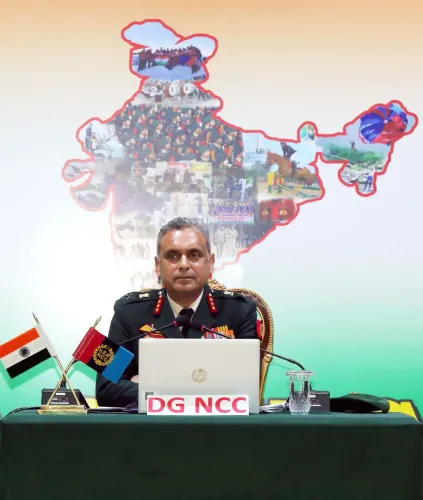
Lt Gen Virendra Vats , Director General of the NCC, called on CM Pushkar Singh Dhami at Uttarakhand Niwas, New Delhi on 6 August 2026 .
Discussions focused on raising new NCC units in Uttarakhand's border and remote districts to widen youth outreach.
Lt Gen Vats presented plans for modern training infrastructure upgrades and a proposed NCC Academy in the state.
CM Dhami pledged full state government support and called for time-bound implementation of all proposed projects.
Uttarakhand shares borders with China and Nepal , making NCC expansion in frontier zones a matter of both youth development and national security.
Any new NCC units or academy will require Ministry of Defence approval and central budget allocation before ground-level work begins.
A quiet meeting in the heart of New Delhi may set the course for thousands of young lives along India's most sensitive frontiers. Chief Minister Pushkar Singh Dhami received Lieutenant General Virendra Vats, YSM, SM, VSM, Director General of the National Cadet Corps (NCC), at Uttarakhand Niwas, New Delhi, on 6 August 2026 — and the agenda went well beyond ceremony.
The two leaders held detailed discussions on expanding NCC's footprint across Uttarakhand's remote and border districts, modernising training infrastructure, and establishing a proposed NCC Academy in the state. Lt Gen Vats stressed the urgent need to form new NCC units in frontier and hard-to-reach areas so that more young people from those regions can be brought into the organisation's fold.
What the NCC Chief Laid on the Table
Lt Gen Vats outlined a forward-looking plan that covers three broad pillars: raising fresh NCC units in border and remote areas, upgrading existing training facilities, and establishing the proposed NCC Academy. The academy, if cleared and funded, would mark a significant institutional step — providing a dedicated, permanent home for advanced cadet training in a state that already sits at the crossroads of India's northern security geography.
Uttarakhand shares international borders with China and Nepal, and its high-altitude districts have historically been underserved by organised youth programmes. Expanding NCC into these zones aligns with a broader pattern visible across northern border states, where central and state agencies have increasingly coordinated on defence-linked youth outreach since the early 2000s.
Dhami's Assurance and the State's Stake
CM Dhami did not hedge. He committed full state government support for every initiative discussed — new units, infrastructure upgrades, and the proposed academy — and called for 'effective and time-bound implementation.' He described the NCC as one of India's most respected organisations for building 'rashtriya charitra, netritva kshamata, aatmavishwas evam samajik uttardayitva' (national character, leadership, self-confidence, and a sense of social responsibility) among the young.
Dhami has consistently positioned youth development and border-area infrastructure as signature themes of his government since taking office in 2021. An expanded NCC presence in Uttarakhand's frontier districts fits squarely into that framing — offering structured discipline and leadership pathways to communities that are often the first to feel the weight of national security demands.
The Road From Courtesy Call to Cadet Battalions
Meetings like this one are typically the precursor to formal proposals — new battalion requests and academy blueprints that must clear the Directorate General NCC and ultimately secure central budget allocation. The NCC Act of 1948 governs the statutory framework, and any expansion of units requires Ministry of Defence sanction. The state's political commitment, now publicly signalled, strengthens the hand of those proposals when they land on Delhi's desk.
Whether the NCC Academy and the new border-district units move from proposal to ground-breaking will depend on central approval and annual plan allocations — but the signal from Uttarakhand Niwas today is unambiguous: the state wants in, and it wants to move fast.
Point of View
Dhami accelerates the proposal pipeline to the Ministry of Defence at a moment when border-area youth engagement is a national policy priority. The proposed NCC Academy, if sanctioned, would be a legacy infrastructure project that outlasts any single administration. Watch whether the state follows through with land allocation and budget matching, the two variables that most often stall such proposals.
NationPress
20 Sept 2026
Frequently Asked Questions
Why did the NCC Director General meet CM Dhami in New Delhi?
Lt Gen Virendra Vats, Director General of the NCC, met CM Pushkar Singh Dhami at Uttarakhand Niwas on 6 August 2026 to discuss expanding NCC units into Uttarakhand's border and remote areas, upgrading training infrastructure, and establishing a proposed NCC Academy in the state.
What is the proposed NCC Academy in Uttarakhand?
The proposed NCC Academy is a planned institutional facility in Uttarakhand that would provide dedicated advanced cadet training. Its exact location and timeline have not been officially confirmed; it requires Ministry of Defence approval and central budget allocation.
Which border areas of Uttarakhand are being targeted for NCC expansion?
The discussions focused on frontier and hard-to-reach districts of Uttarakhand, a Himalayan state that shares international borders with China and Nepal. Specific locations for new units have not been publicly announced.
What is the NCC and when was it established?
The National Cadet Corps is a voluntary youth organisation established in 1948 under the NCC Act, functioning under the Ministry of Defence. It aims to instil discipline, leadership, patriotism, and social responsibility among school and college students across India.
What support did CM Dhami promise for NCC expansion in Uttarakhand?
CM Dhami assured full state government cooperation for all NCC expansion initiatives discussed, including new unit formation, training infrastructure development, and the proposed NCC Academy, and called for effective and time-bound implementation of every project.