CM Dhami Bets on Uttarakhand Youth to Drive State's Development
Synopsis
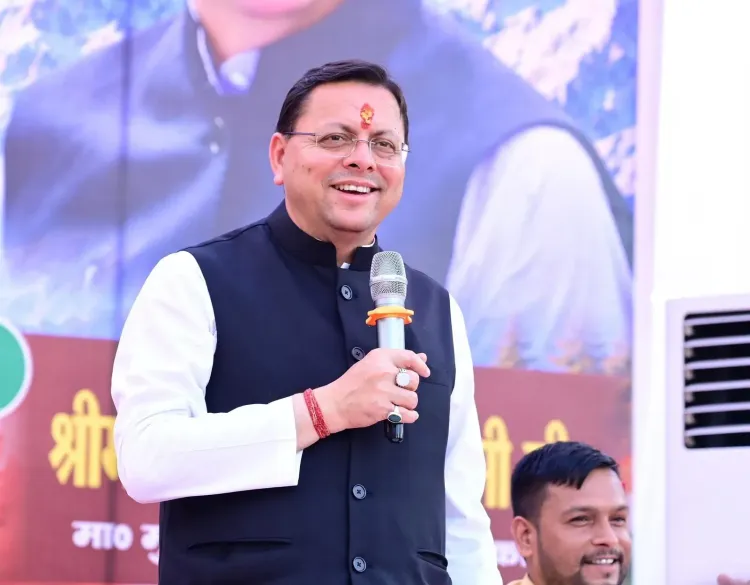
Uttarakhand CM Pushkar Singh Dhami on June 20, 2026 reaffirmed youth as the state's greatest capital, pledging to advance the 'Viksit Uttarakhand' vision on the strength of young talent, energy, and innovation.
Key Takeaways
CM Pushkar Singh Dhami posted on June 20, 2026 calling youth 'the greatest capital of any state and nation.' He described Uttarakhand's youth as talented, energetic, and full of innovation.
The post frames youth empowerment as central to achieving 'Viksit Uttarakhand' — a developed Uttarakhand.
The statement aligns with the Uttarakhand Startup Policy 2018 and national programmes like Skill India (2015) .
Youth out-migration remains a structural challenge for the Himalayan state , making talent retention a key governance priority.
Upcoming skill missions, innovation centres, or youth policy updates are expected as potential follow-through measures.
Uttarakhand Chief Minister Pushkar Singh Dhami on Saturday, June 20, 2026, reaffirmed his government's commitment to harnessing the state's youth potential as the cornerstone of Uttarakhand's development ambitions, posting a message on X that framed young people as the state's greatest asset.
In his post, CM Dhami wrote in Hindi: 'युवा शक्ति किसी भी राज्य और राष्ट्र की सबसे बड़ी पूंजी होती है' — 'The power of youth is the greatest capital of any state and nation.' He added that Uttarakhand's youth are talented, energetic, and full of innovation, and that the state is steadily moving forward to realise the vision of a 'Viksit Uttarakhand' — a developed Uttarakhand — on the strength of their capabilities.
Context
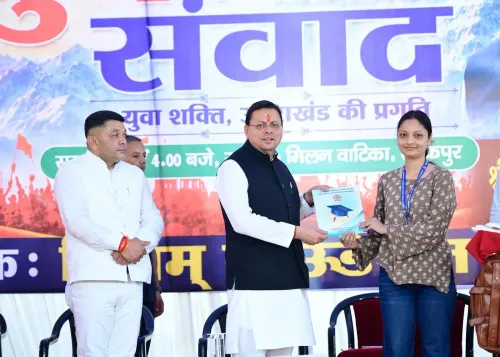
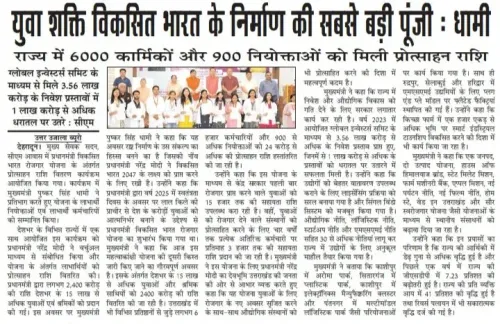
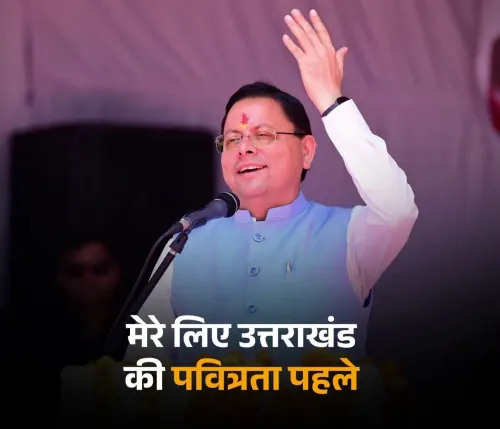
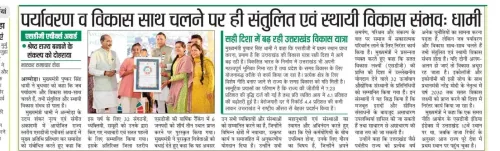
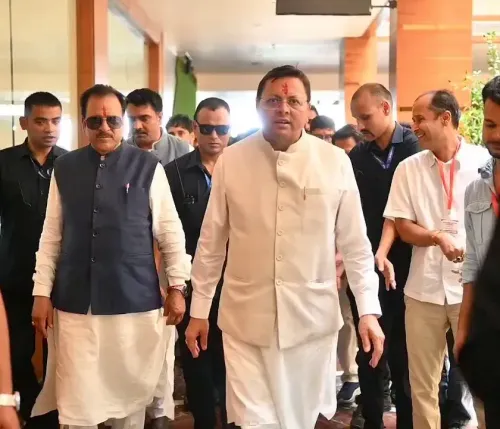
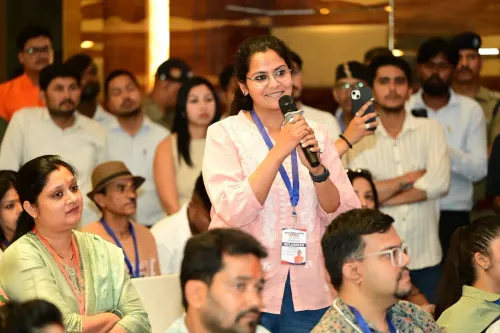
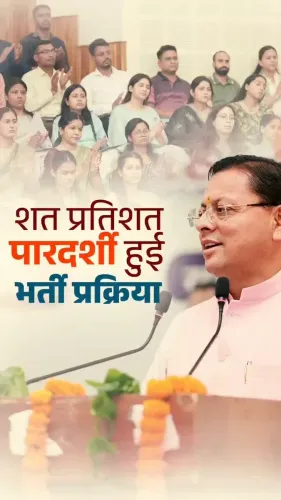
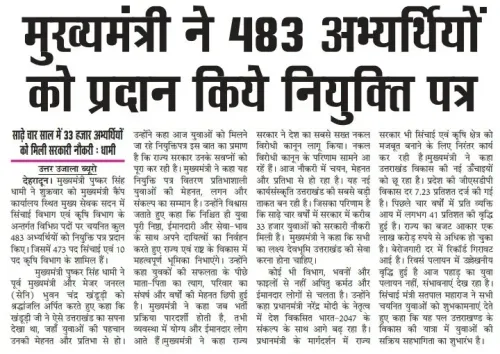
Dhami has consistently positioned youth empowerment at the centre of his governance agenda since taking office in 2021. The post, accompanied by four images, signals an ongoing push to connect the state's demographic dividend to its broader economic and infrastructure goals. Uttarakhand, a Himalayan state formed in 2000, faces a structural challenge of youth out-migration to larger cities, making local talent retention a political and economic priority.
Policy Backdrop
The statement draws from a well-established policy lineage. The National Youth Policy 2014 laid out a national framework for empowering young Indians through skills, education, and entrepreneurship. At the state level, the Uttarakhand Startup Policy 2018 was designed to build innovation ecosystems and support young entrepreneurs within the state's borders.
These efforts align with central government programmes such as Skill India, launched in 2015, which targets employability and startup culture across states. BJP-led state governments have broadly adopted the 'Viksit Bharat' framing — a developed India — and translated it into state-level goals, with youth as the primary vehicle for that transformation.
Stakeholders and Impact
The primary beneficiaries of this policy direction are Uttarakhand's young population — students, job-seekers, innovators, and first-generation entrepreneurs spread across the state's hill districts and urban centres like Dehradun and Haridwar. For young innovators, sustained government rhetoric backed by scheme funding can translate into incubation support, skill training centres, and easier access to startup capital.
The migration challenge remains acute: hill states like Uttarakhand have historically seen working-age youth leave for plains cities, thinning local economic activity. Any credible youth retention policy carries significant long-term implications for the state's tax base, social fabric, and electoral landscape.
What's Next
Observers will watch for concrete follow-through — whether the government rolls out new state skill missions, expands innovation centres, or announces youth policy updates in the period ahead. With assembly elections on the horizon, the emphasis on youth development is likely to intensify, translating campaign-level messaging into scheme announcements and budget allocations. The degree to which CM Dhami's government links these commitments to measurable outcomes will determine their policy weight beyond political signalling.
Point of View
Translating a national electoral theme into state-level political capital. For a hill state chronically losing working-age youth to the plains, framing young people as an asset rather than an exodus statistic is both aspirational governance and shrewd positioning. The real test lies in whether this rhetoric is followed by measurable policy action — expanded startup funding, skill infrastructure in remote districts, or verifiable employment numbers. With assembly elections approaching, the cadence of such messaging will only increase, and voters in Uttarakhand will be watching for substance behind the sentiment.
NationPress
21 Jun 2026
Frequently Asked Questions
What did CM Pushkar Singh Dhami say about Uttarakhand youth?
CM Dhami stated that youth power is the greatest capital of any state and nation, describing Uttarakhand's young people as talented, energetic, and innovative, and pledged to advance the 'Viksit Uttarakhand' vision on their strength.
What is Viksit Uttarakhand?
'Viksit Uttarakhand' means 'developed Uttarakhand' and is the state government's vision for comprehensive economic and social development, mirroring the central government's 'Viksit Bharat' goal.
What schemes support youth in Uttarakhand?
Key frameworks include the Uttarakhand Startup Policy 2018, which promotes innovation and entrepreneurship, and national programmes like Skill India (2015), which target youth employability across states including Uttarakhand.
Why is youth out-migration a problem for Uttarakhand?
Uttarakhand is a hill state where limited local employment opportunities have historically pushed working-age youth to migrate to larger plains cities, weakening the local economy and tax base.
When did Pushkar Singh Dhami become Chief Minister of Uttarakhand?
Pushkar Singh Dhami has served as Chief Minister of Uttarakhand since 2021, representing the BJP and focusing on development, administrative reforms, and youth empowerment.