CM Dhami calls 1975 Emergency 'dark chapter' of Indian democracy
Synopsis
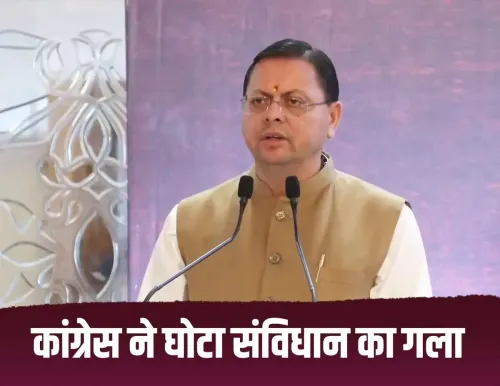
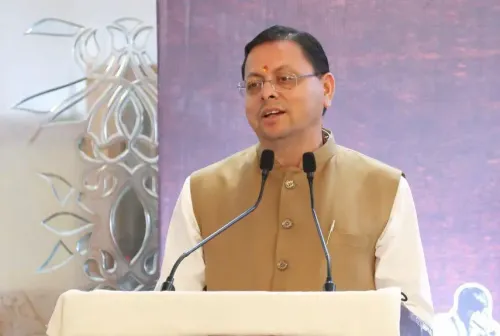
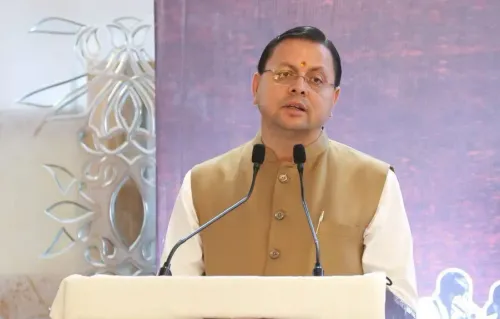
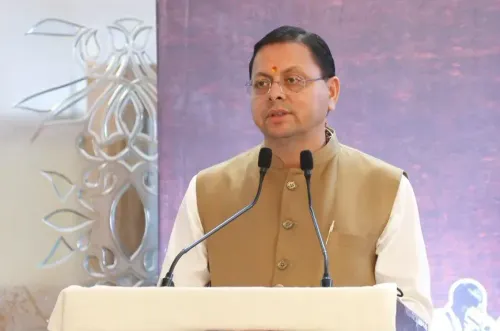
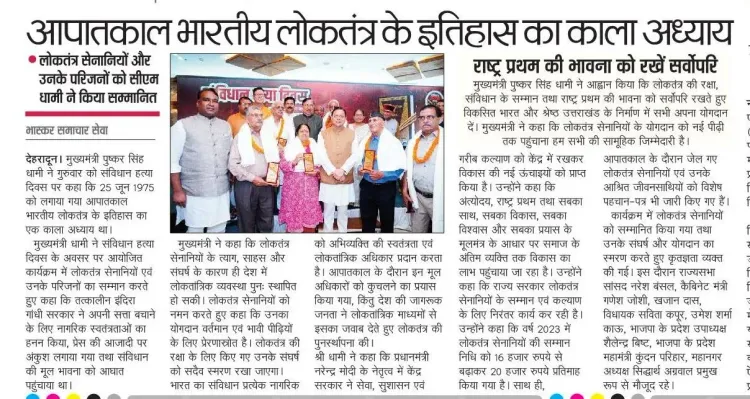
Uttarakhand Chief Minister Pushkar Singh Dhami on 26 June 2026 marked the 1975 Emergency anniversary by calling it a 'dark chapter in the history of Indian democracy,' in a statement posted by the official Chief Minister's Office on X.
Key Takeaways
CM Pushkar Singh Dhami described the 1975 Emergency as a 'dark chapter in the history of Indian democracy' on 26 June 2026 .
The statement was posted by the official Chief Minister's Office of Uttarakhand on its verified X account.
The Emergency was declared on 25-26 June 1975 under Article 352 and lasted until 1977 , suspending fundamental rights and enabling press censorship and mass detentions.
BJP -governed states routinely mark the Emergency anniversary with statements and events as part of an established annual political tradition.
The commemoration connects to a broader BJP political narrative contrasting the 1975-77 period with post-2014 democratic governance claims.
Further statements from BJP leaders at the national and state levels are expected around the 25-26 June anniversary each year.
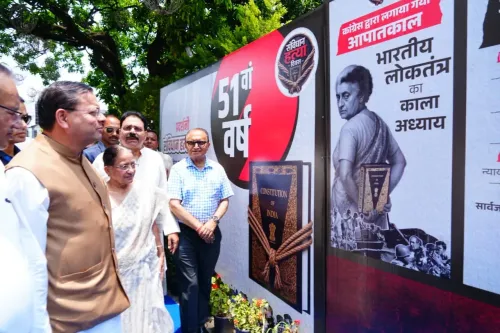
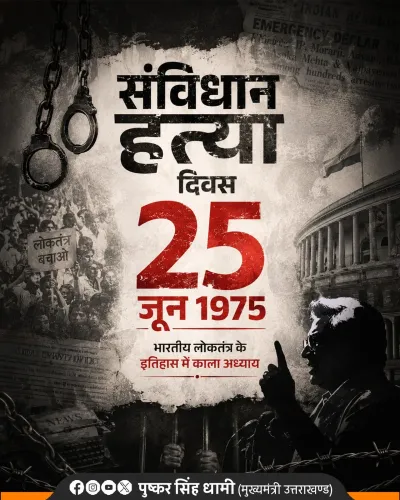
The Chief Minister's Office of Uttarakhand on Friday, 26 June 2026 shared a statement by Chief Minister Pushkar Singh Dhami marking the anniversary of the 1975 Emergency, calling it a 'dark chapter in the history of Indian democracy' (bharatiya loktantra ke itihas ka kala adhyay).
Context
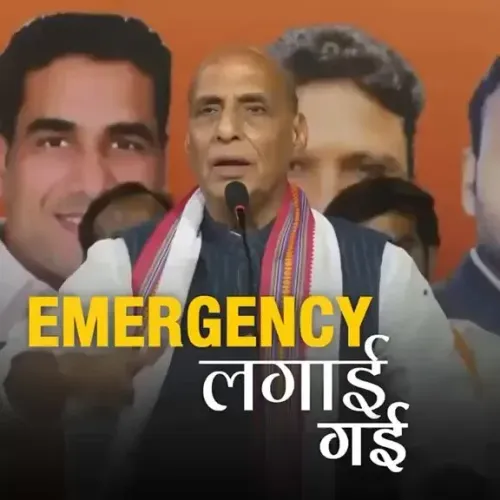
The statement comes on the anniversary of the Emergency declared on 25-26 June 1975 by the then central government under Prime Minister Indira Gandhi, invoking Article 352 of the Constitution. The emergency lasted until 1977 and is widely remembered for the suspension of fundamental rights, press censorship, and mass detentions of political opponents.
CM Dhami described the period as a blot on India's democratic tradition, framing it as a reminder of the fragility of constitutional freedoms when political power is exercised without accountability.
Policy Backdrop
The 1975 Emergency remains one of the most contested episodes in post-Independence Indian political history. Declared under Article 352 on grounds of internal disturbance, it enabled the suspension of civil liberties, the postponement of elections, and the jailing of thousands of activists, journalists, and opposition leaders across the country.
The period ended with the 1977 general elections, in which the ruling Congress suffered a decisive defeat, widely interpreted as a public verdict against authoritarian rule. The episode subsequently led to constitutional amendments aimed at raising the threshold for future emergency declarations.
Stakeholders and Impact
Annual Emergency anniversary commemorations carry significant political weight for the Bharatiya Janata Party, which traces its organisational lineage partly through leaders who were jailed during the period. BJP-governed states routinely hold events and issue statements around 25 June each year to keep the memory of the Emergency alive in public discourse.
For Indian citizens and civil society, such commemorations serve as periodic reminders of constitutional safeguards enshrined in the Fundamental Rights chapter of the Constitution. Opposition parties, particularly the Indian National Congress, have historically contested the BJP's framing of the Emergency as a partisan political tool.
What's Next
Similar statements from other BJP chief ministers and central leadership are expected around the 25-26 June anniversary window each year, and the occasion frequently prompts parliamentary references to constitutional safeguards and democratic norms. Uttarakhand under CM Dhami is likely to see further state-level observances reinforcing this political narrative ahead of the next electoral cycle.
The annual recurrence of Emergency commemorations underscores how historical memory continues to shape contemporary political identity in India, with the 1975-77 period remaining a live reference point in debates over democratic governance and institutional independence.
Point of View
Designed to reinforce the party's democratic credentials by contrasting itself with Congress-era authoritarianism. The timing — the exact anniversary of the 1975 declaration — maximises historical resonance and ensures the narrative reaches a politically attentive audience. By framing the Emergency as a 'dark chapter,' Dhami anchors Uttarakhand's BJP government within a national ideological arc that stretches from the Jayaprakash Narayan movement to the present day. Such commemorations also serve a forward-looking electoral function, keeping historical grievances active in voter memory ahead of future state and national contests.
NationPress
26 Jun 2026
Frequently Asked Questions
What did CM Pushkar Singh Dhami say about the 1975 Emergency?
CM Pushkar Singh Dhami called the 1975 Emergency a 'dark chapter in the history of Indian democracy' in a statement shared by the Uttarakhand Chief Minister's Office on 26 June 2026.
When was the 1975 Emergency declared in India?
The national Emergency was declared on the night of 25-26 June 1975 by Prime Minister Indira Gandhi's government under Article 352 of the Constitution, and it remained in force until 1977.
Why do BJP leaders mark the Emergency anniversary every year?
BJP leaders annually commemorate the Emergency to highlight it as an episode of authoritarian rule that suspended fundamental rights, and to contrast it with their own governance record — a tradition rooted in the party's organisational history of opposing the Emergency.
What were the key consequences of the 1975-77 Emergency in India?
The Emergency led to the suspension of fundamental rights, press censorship, postponement of elections, and the detention of thousands of opposition leaders, activists, and journalists across India.
What is the significance of 25 June in Indian political history?
25 June marks the anniversary of the 1975 Emergency declaration, and it is observed annually by BJP leaders and organisations as 'Samvidhaan Hatya Diwas' or a day to remember threats to Indian democracy.