CM Dhami calls Jan-Jan Ki Sarkar programme a dialogue of trust
Synopsis
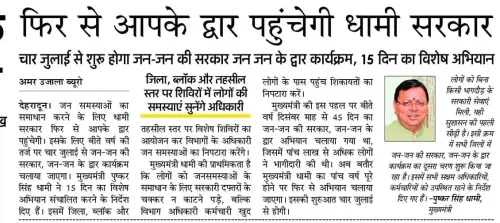
Chief Minister Pushkar Singh Dhami described Uttarakhand's Jan-Jan Ki Sarkar, Jan-Jan Ke Dwar programme as a celebration of dialogue and trust — not merely a government exercise — signalling the state's push to deepen citizen-administration engagement through doorstep governance.
Key Takeaways
CM Pushkar Singh Dhami called the Jan-Jan Ki Sarkar, Jan-Jan Ke Dwar programme a 'celebration of dialogue and trust' between government and citizens.
The programme is designed to deliver doorstep grievance redressal and scheme outreach, especially in Uttarakhand's remote hill districts.
Uttarakhand has held Jan Darbar-style public hearings since 2017 to bridge the gap between administration and geographically isolated communities.
BJP -governed states have expanded direct-outreach formats since 2014 as part of a broader responsive-governance model across India.
The next phase of the programme is expected to cover additional districts, with assembly scrutiny of performance data anticipated.
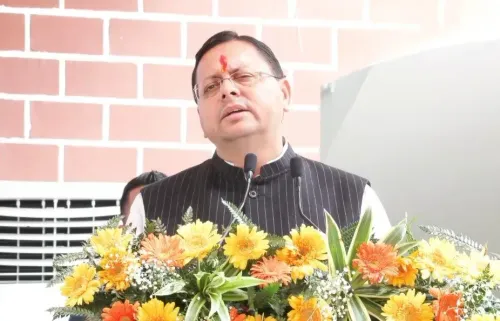
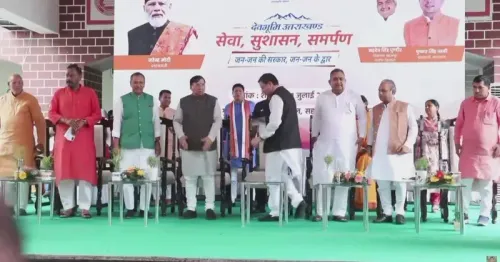
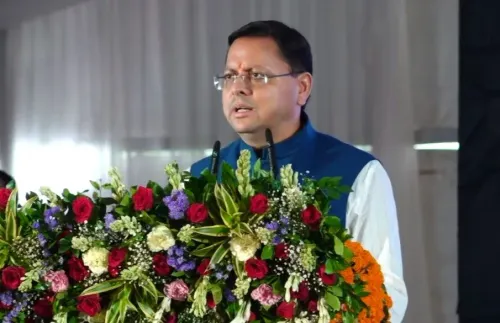
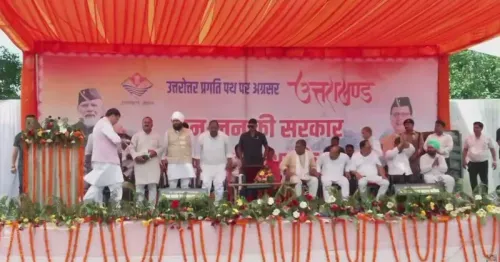
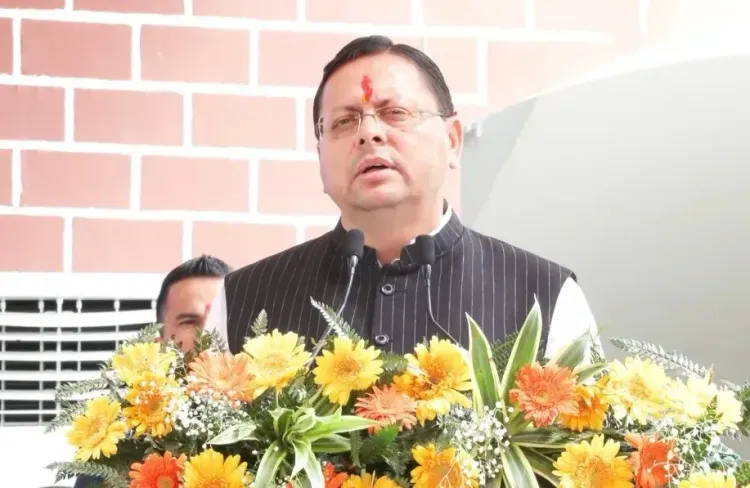
The Chief Minister's Office of Uttarakhand shared remarks by Chief Minister Pushkar Singh Dhami on Saturday, 11 July 2026, describing the state's Jan-Jan Ki Sarkar, Jan-Jan Ke Dwar programme as far more than a routine government event — calling it a celebration of dialogue and trust between the administration and citizens.
Context
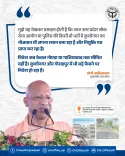
Addressing participants of the programme, CM Dhami said: 'Jan-Jan Ki Sarkar, Jan-Jan Ke Dwar karyakram keval ek sarkari karyakram nahin hai. Yeh sarkar aur janata ke beech samvad aur vishwas ka utsav hai.' — translated: 'The Jan-Jan Ki Sarkar, Jan-Jan Ke Dwar programme is not merely a government event. It is a celebration of dialogue and trust between the government and the people.' The statement positions the initiative as a vehicle for emotional and civic connection, not just administrative delivery.
Policy Backdrop
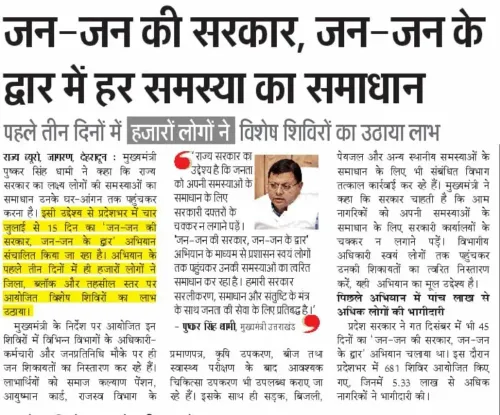
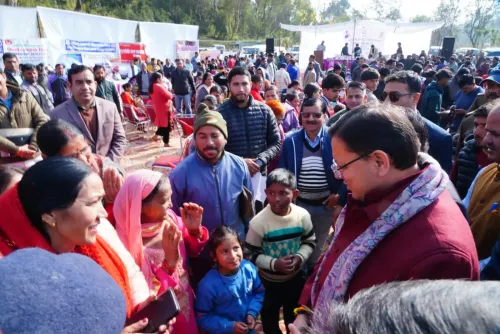
Uttarakhand has run Jan Darbar-style public hearings since 2017 to bring governance closer to communities in its remote hill districts, where geography has historically made access to administration difficult. The Jan-Jan Ki Sarkar, Jan-Jan Ke Dwar programme builds on that lineage, combining doorstep grievance redressal, scheme publicity, and direct interaction between officials and residents at the block and village level. Across BJP-governed states, such direct-outreach formats have been expanded since 2014 as a model of responsive governance, designed to reduce the distance between citizens and the state machinery.
Stakeholders and Impact
Uttarakhand's rural and semi-urban communities — particularly those in geographically isolated hill districts — are the primary beneficiaries of the programme. For these residents, doorstep governance initiatives can mean the difference between accessing welfare schemes and being left out due to distance or bureaucratic barriers. The programme also serves as a political trust-building exercise, with officials publicly accountable to constituents in open forums.
Broader civil society observers note that the success of such programmes depends on consistent follow-through on grievances collected, and on whether redressal data is made publicly available. The framing by CM Dhami — emphasising 'celebration' and 'trust' — signals that the government views the programme as a long-term engagement model rather than a one-off event.
What's Next
Attention will now turn to the rollout of the next phase of the programme across additional districts of Uttarakhand, and whether performance data — including the number of grievances received and resolved — is tabled before the state assembly. The government's ability to convert public outreach into measurable administrative outcomes will determine whether the programme cements itself as a durable governance reform or remains primarily a symbolic exercise in citizen engagement.
Point of View
Where physical distance from government offices has long been a structural grievance, such programmes carry genuine utility beyond optics. However, the durability of this model will ultimately be tested by grievance-resolution rates and independent audits, not by the warmth of the language used to describe it. If the government can demonstrate measurable outcomes, the programme could become a replicable model for other hill states; if not, it risks being remembered as well-intentioned political theatre.
NationPress
11 Jul 2026
Frequently Asked Questions
What is the Jan-Jan Ki Sarkar Jan-Jan Ke Dwar programme in Uttarakhand?
It is an Uttarakhand government initiative for doorstep governance, combining grievance redressal, welfare scheme outreach, and direct interaction between officials and citizens, particularly targeting remote hill communities.
What did CM Pushkar Singh Dhami say about the Jan-Jan Ke Dwar programme?
CM Dhami described the programme as 'not merely a government event' but 'a celebration of dialogue and trust between the government and the people,' emphasising its role in strengthening citizen-administration bonds.
How long has Uttarakhand been running public outreach programmes like Jan Darbar?
Uttarakhand has held Jan Darbar-style public hearings since 2017 to improve administrative accessibility in its hill districts, with Jan-Jan Ki Sarkar, Jan-Jan Ke Dwar building on that foundation.
Which communities benefit most from the Jan-Jan Ke Dwar programme?
Rural and semi-urban residents of Uttarakhand, especially those in geographically isolated hill districts who face difficulty accessing government offices, are the primary beneficiaries.
Is the Jan-Jan Ki Sarkar programme unique to Uttarakhand?
While the specific branding is Uttarakhand's own, similar direct-outreach and doorstep governance formats have been adopted by several BJP-governed states across India since 2014 as part of a broader responsive-governance model.