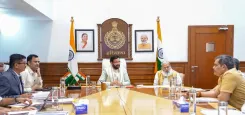
CM Dhami launches 'Jan-Jan Ki Sarkar' outreach drive
Synopsis
Chief Minister Pushkar Singh Dhami has launched 'Jan-Jan Ki Sarkar, Jan-Jan Ke Dwar', a public outreach programme under which Uttarakhand's government officials will travel directly to citizens with solutions, reversing the traditional model of residents visiting the secretariat.
Key Takeaways
The Chief Minister's Office of Uttarakhand announced the 'Jan-Jan Ki Sarkar, Jan-Jan Ke Dwar' programme on 11 July 2026 .
CM Pushkar Singh Dhami stated the government will no longer operate solely from the secretariat — officials will bring solutions directly to citizens.
The initiative reverses the traditional model where citizens had to visit government offices to seek redressal.
Uttarakhand's mountainous terrain and remote districts make doorstep governance especially significant for rural residents.
The programme continues CM Dhami's people-centric governance agenda pursued since he took office in 2021 .
Rollout across all 13 districts , including remote hill regions, and integration with digital grievance systems will determine the programme's impact.
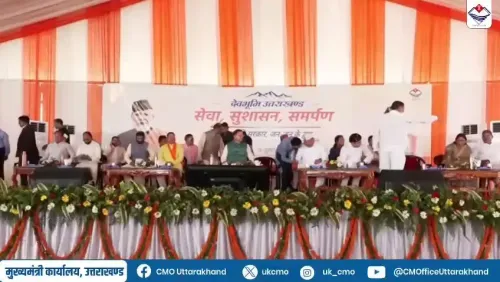
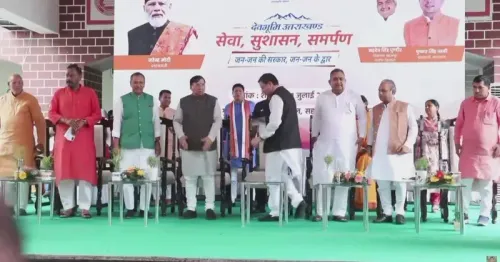
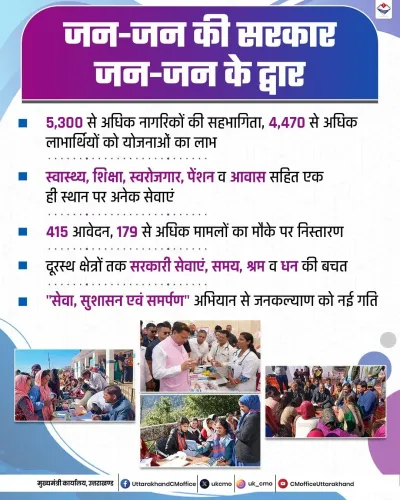
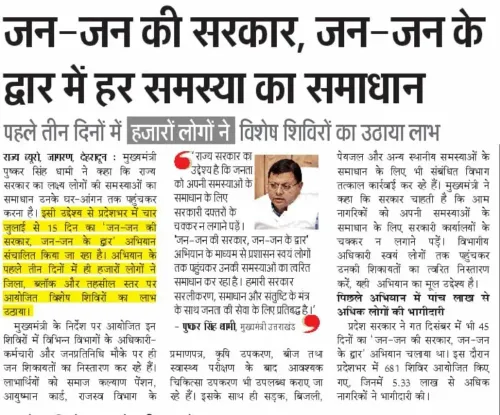
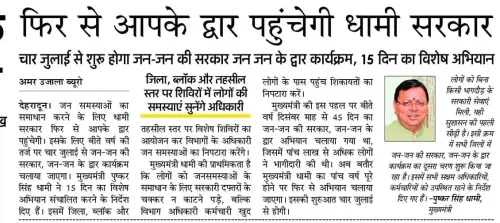
The Chief Minister's Office of Uttarakhand announced on Saturday, 11 July 2026 that Chief Minister Pushkar Singh Dhami is rolling out a state-wide public outreach programme titled 'जन-जन की सरकार, जन-जन के द्वार' ('Government for Every Person, at Every Doorstep'), under which government officials will travel directly to citizens rather than requiring them to visit the secretariat in Dehradun.
Context
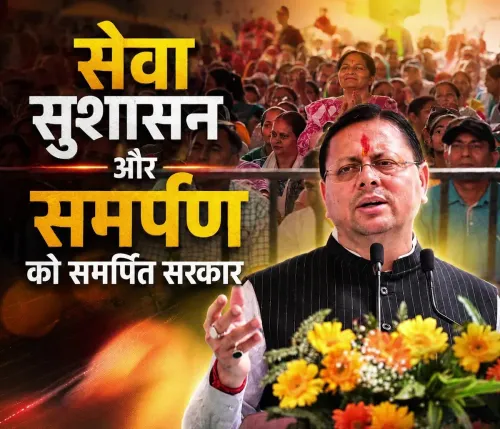
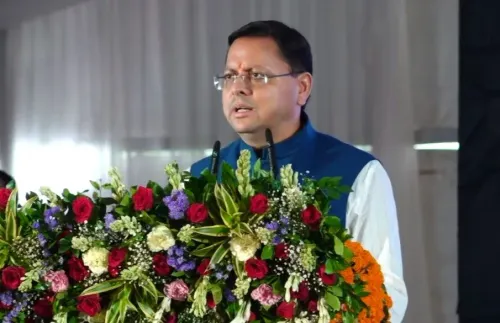
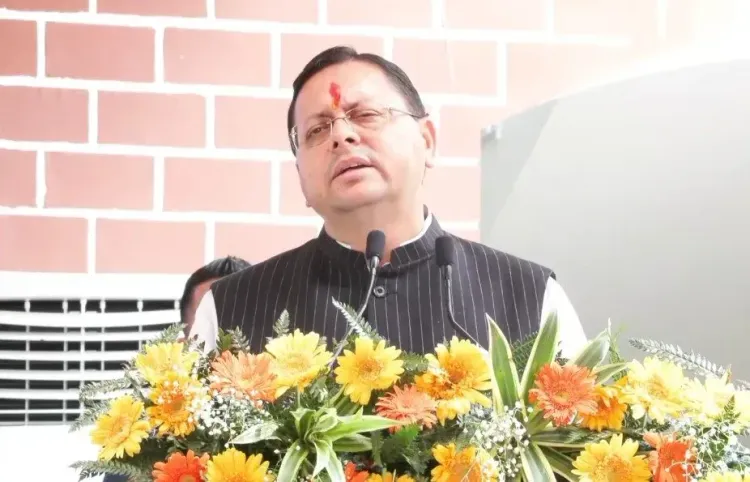
Addressing the initiative, CM Dhami stated: 'Our resolve is that the government will not run only from the secretariat. Earlier, the public used to go to the office — but now the government is going to the people with solutions.' The statement marks a deliberate shift in the state's administrative posture, framing the programme as a structural change rather than a one-time event.
Uttarakhand's geography makes conventional secretariat-centric governance particularly difficult. The state, carved out of Uttar Pradesh in 2000, contains large swathes of mountainous and remote terrain where residents face significant barriers in accessing district offices and the state capital.
Policy Backdrop
Since taking office in 2021, Chief Minister Dhami has positioned people-centric governance as a signature theme of his administration, launching direct public engagement formats aimed at reducing bureaucratic distance. The 'जन-जन के द्वार' programme is the latest expression of that agenda, institutionalising outreach as a recurring feature of state administration.
Across India, state governments have periodically deployed similar mechanisms — Janata Darbars, CM-led grievance camps, and mobile administrative units — to decentralise redressal. For a Himalayan state like Uttarakhand, where road connectivity and digital access remain uneven, in-person outreach carries particular administrative weight.
Stakeholders and Impact
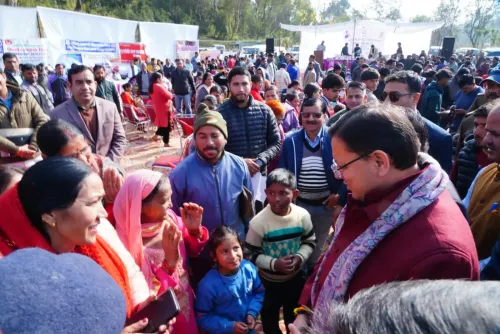
The programme's primary beneficiaries are common citizens, particularly those in rural and hill districts who have historically faced the greatest friction in accessing state services. By bringing officials and their decision-making authority closer to the ground, the initiative aims to reduce both travel costs for residents and the backlog of unresolved grievances at the secretariat level.
District-level administrators, block-level officers, and departmental representatives are expected to form the core of the outreach teams. The integration of this programme with existing digital grievance portals or the state's e-governance infrastructure will be a key determinant of its long-term effectiveness.
What's Next
Attention will now turn to the rollout schedule across Uttarakhand's 13 districts, including high-priority remote regions such as Pithoragarh, Chamoli, and Uttarkashi. The pace of camp organisation, the seniority of officials deputed, and the range of services offered on-site will define whether the initiative translates into measurable grievance resolution or remains primarily a communication exercise. Civil society groups and local panchayat bodies are likely to play a role in mobilising citizen participation at the grassroots level.
Point of View
Allowing the ruling party to claim both executive competence and popular accessibility. For CM Dhami, who faces the structural challenge of governing a geographically dispersed electorate, visible doorstep delivery carries real political salience ahead of future electoral cycles. The programme fits into a broader national pattern where BJP-governed states have increasingly used direct-to-citizen administrative formats to bypass institutional friction and demonstrate responsiveness. Its durability will depend on whether the outreach is institutionalised with measurable outcomes or fades into a series of high-visibility events.
NationPress
10 Oct 2026
Frequently Asked Questions
What is the 'Jan-Jan Ki Sarkar, Jan-Jan Ke Dwar' programme in Uttarakhand?
It is a public outreach initiative launched by Uttarakhand Chief Minister Pushkar Singh Dhami under which government officials travel directly to citizens across the state to provide solutions and grievance redressal, rather than requiring residents to visit the secretariat or government offices.
Who launched the Jan-Jan Ke Dwar scheme in Uttarakhand?
Chief Minister Pushkar Singh Dhami announced and is overseeing the scheme, with the official announcement made through the Chief Minister's Office on 11 July 2026.
Why is doorstep governance important for Uttarakhand?
Uttarakhand is a Himalayan state with large remote and mountainous areas where residents face significant travel barriers to reach district offices or the state capital Dehradun. Doorstep outreach reduces this burden for rural and hill communities.
How does the Jan-Jan Ke Dwar programme differ from earlier government schemes?
Earlier, citizens were required to visit government offices or the secretariat for redressal. Under this programme, government teams proactively go to citizens' localities with the authority to resolve issues on the spot, reversing the traditional administrative flow.
Which districts in Uttarakhand will benefit from the Jan-Jan Ki Sarkar outreach?
The programme is intended to cover all 13 districts of Uttarakhand, with particular significance for remote hill districts such as Pithoragarh, Chamoli, and Uttarkashi where access to government services has historically been most difficult.