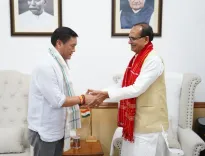
CM Dhami Chairs STI Seminar in Dehradun for Uttarakhand Growth

Synopsis
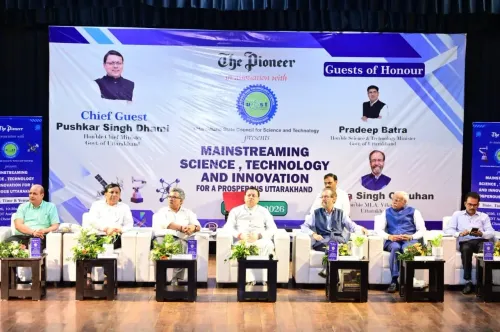
Uttarakhand Chief Minister Pushkar Singh Dhami joined a live seminar in Dehradun on 27 July 2026 themed around mainstreaming science, technology and innovation for the state's prosperity, signalling a policy push to embed STI at the core of Uttarakhand's development strategy.
Key Takeaways
CM Pushkar Singh Dhami participated live in a seminar in Dehradun on 27 July 2026 focused on science, technology and innovation for Uttarakhand.
The seminar's theme was 'Mainstreaming Science, Technology and Innovation for a Prosperous Uttarakhand.' The event aligns with India's national STI Policy (2013) and broader goals such as Atmanirbhar Bharat .
Stakeholders included research institutions, tech startups, and state policymakers.
Uttarakhand's academic clusters, including institutions like IIT Roorkee , are seen as anchors for a regional innovation strategy.
Possible follow-up outcomes include a state-level STI policy framework or an innovation hub announcement.
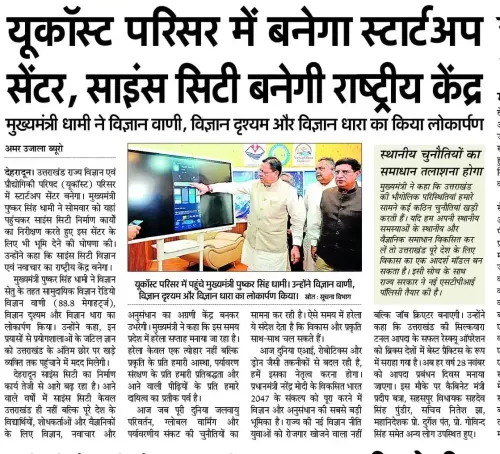
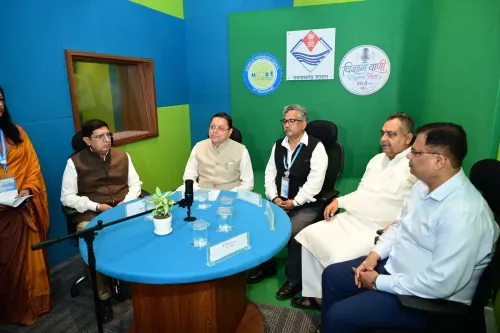
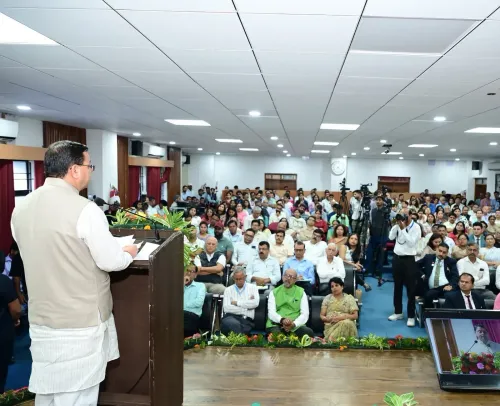
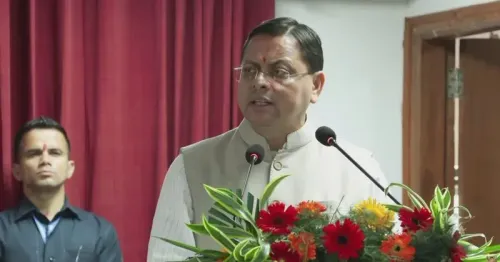
Uttarakhand Chief Minister Pushkar Singh Dhami on Monday, 27 July 2026, participated live in a seminar held in Dehradun focused on 'Mainstreaming Science, Technology and Innovation for a Prosperous Uttarakhand,' signalling the state government's push to embed innovation at the centre of its development agenda.
Context
The seminar, streamed live, brought together stakeholders from research institutions, technology startups, and state policy circles under a single platform. The event's theme — 'Mainstreaming Science, Technology and Innovation for a Prosperous Uttarakhand' — reflects a deliberate effort to move science and technology from the periphery of governance to its core. Dehradun, as the state capital and a hub for educational and research activity, served as the natural venue for such a convening.
Policy Backdrop
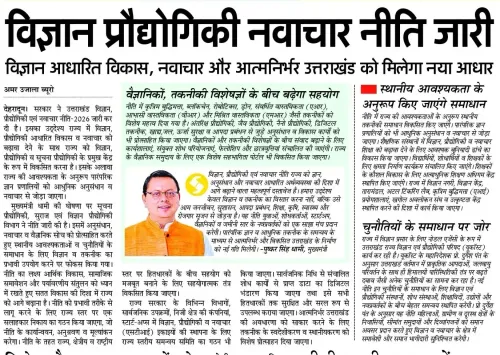
India's national Science, Technology and Innovation Policy (2013) laid the groundwork for states to develop their own sub-national innovation ecosystems aligned with central priorities. Uttarakhand's seminar fits squarely within this framework, as Indian states have increasingly organised STI-focused events to synchronise local development with broader national goals such as Atmanirbhar Bharat and the transition toward a knowledge economy. The state is geographically well-positioned to leverage academic clusters — including institutions such as IIT Roorkee — to anchor a regional innovation strategy.
State-level STI initiatives of this kind typically draw on central schemes that promote technology adoption across governance, agriculture, health, and industry. By hosting a dedicated seminar, the Dhami government signals intent to formalise and accelerate that alignment within Uttarakhand's own planning processes.
Stakeholders and Impact
The primary beneficiaries of a sustained STI push in Uttarakhand would be its research institutions, early-stage technology startups, and rural communities that stand to gain from technology-enabled service delivery. Policymakers at the state level are expected to use deliberations from such seminars to shape budgetary priorities and scheme design. For the startup ecosystem in Dehradun and surrounding areas, a formal state-backed innovation framework could open pathways to funding, incubation support, and government procurement opportunities.
Broader civil society — including youth in technical education and entrepreneurs in sectors like agri-tech, eco-tourism technology, and disaster-resilience infrastructure — also stands to be directly affected by any policy outcomes that emerge from this process.
What's Next
Observers will watch for whether the seminar leads to a dedicated state-level STI policy framework or the announcement of an innovation hub in Uttarakhand. CM Dhami's direct participation underscores political ownership of the agenda, which typically accelerates follow-through on bureaucratic and budgetary commitments. If the state translates seminar deliberations into concrete institutional structures, Uttarakhand could emerge as a model for how mid-sized hill states integrate science and technology into mainstream governance.
Point of View
Live participation in a science and technology seminar is a deliberate act of political signalling — placing innovation at the centre of the BJP-led state government's development narrative ahead of future electoral cycles. Uttarakhand, long associated with pilgrimage tourism and hydropower, is attempting to diversify its identity toward a knowledge economy, and events like this seminar are the first institutional step in that reorientation. The move also mirrors a broader pattern among BJP-governed states of aligning visibly with central government technology and self-reliance themes. Whether the seminar produces durable policy outcomes or remains a high-profile convening will be the real test of the government's commitment.
NationPress
27 Jul 2026
Frequently Asked Questions
What was the seminar held in Dehradun on 27 July 2026 about?
The seminar was themed 'Mainstreaming Science, Technology and Innovation for a Prosperous Uttarakhand' and focused on embedding STI into the state's core development strategy. It was attended by research institutions, tech startups, and state policymakers.
Why did CM Dhami attend the STI seminar in Dehradun?
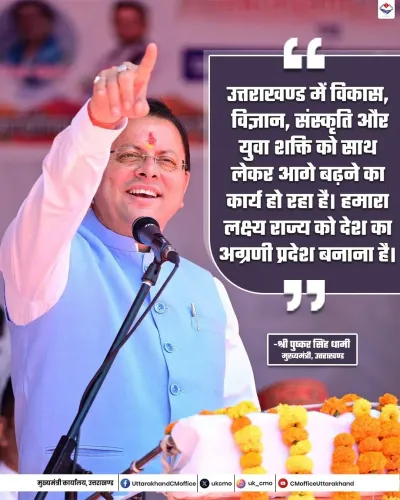
CM Pushkar Singh Dhami participated to signal political ownership of Uttarakhand's science and technology agenda, aligning the state's development goals with national priorities such as Atmanirbhar Bharat and the knowledge economy transition.
What is Uttarakhand's connection to science and technology policy?
Uttarakhand hosts significant academic and research infrastructure, including institutions like IIT Roorkee, making it well-positioned to anchor a regional innovation strategy aligned with India's national STI Policy of 2013.
What could follow from the Dehradun STI seminar?
Possible outcomes include the announcement of a dedicated state-level STI policy framework or the establishment of an innovation hub in Uttarakhand, though no specific decisions have been confirmed yet.
How does Uttarakhand's STI seminar fit into the national picture?
Indian states have increasingly hosted science and technology events to align local development with central government goals. Uttarakhand's seminar follows this broader pattern of state-level STI initiatives building on central schemes for technology adoption.