CM Dhami: Development Must Reach Last Village in Hills
Synopsis
Chief Minister Pushkar Singh Dhami, visiting Gopeshwar in Chamoli on 19 July 2026, declared that the light of development must reach the last person and the remotest hill village — reaffirming Uttarakhand's long-standing focus on inclusive, last-mile delivery in its most geographically isolated communities.
Key Takeaways
CM Pushkar Singh Dhami made the statement during a visit to Gopeshwar, Chamoli on 19 July 2026 .
He said development must reach 'the last person at the farthest edge of society and the remotest village in the hills.' Chamoli district borders Tibet and contains some of Uttarakhand's most geographically isolated high-altitude settlements.
Addressing hill-plain development disparity has been a core policy theme since Uttarakhand's formation in 2000 .
Out-migration from remote hill villages due to poor infrastructure remains a persistent challenge the state government has pledged to address.
No specific new scheme or budgetary allocation was announced; follow-up policy action will be the key measure of intent.
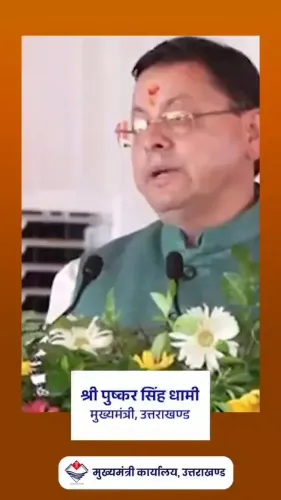
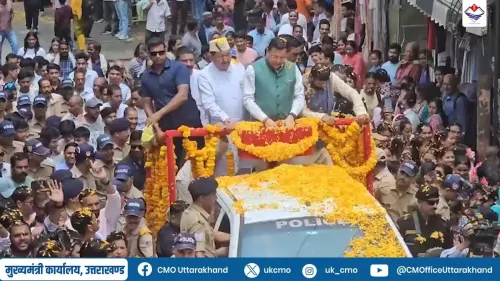
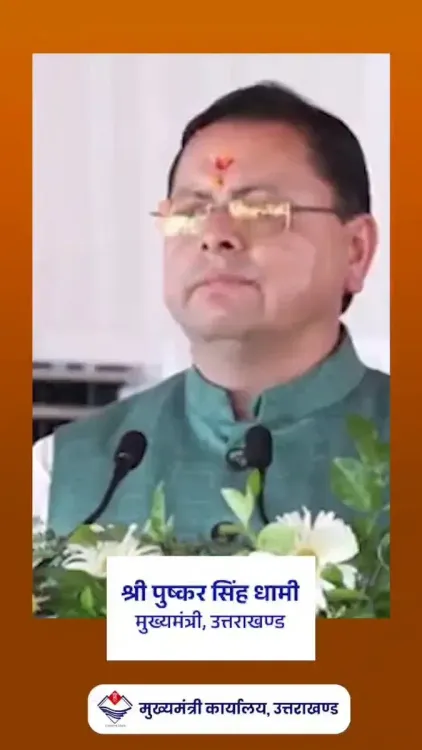
The Chief Minister's Office of Uttarakhand, on Sunday, 19 July 2026, shared a statement by Chief Minister Pushkar Singh Dhami made during his visit to Gopeshwar, the administrative headquarters of Chamoli district, reaffirming his administration's commitment to inclusive hill development.
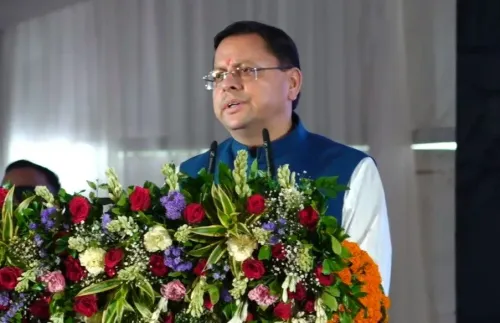
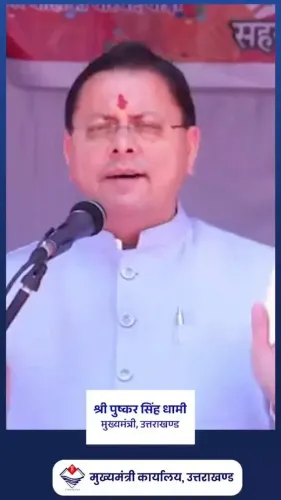
Addressing those present in Gopeshwar, CM Dhami said: 'Mera aisa maanna hai ki vikas ki roshni samaj ke antim chhor mein khade vyakti aur pahad ke sabse aakhiri gaon tak pahunchni chahiye' — 'I believe that the light of development must reach the last person standing at the farthest edge of society and the remotest village in the hills.'
Context
Gopeshwar serves as the district headquarters of Chamoli, one of Uttarakhand's most geographically challenging districts, sharing a border with Tibet and home to dozens of high-altitude settlements accessible only by narrow mountain roads. The Chief Minister's presence here underscores the state government's focus on regions that have historically lagged in receiving public services and infrastructure investment.
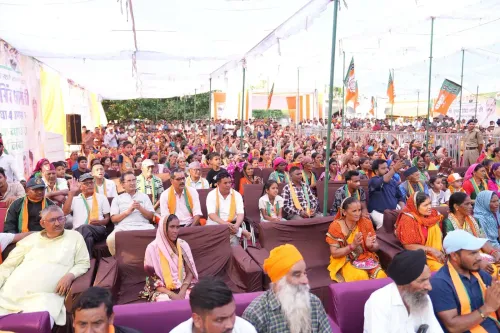
The statement was accompanied by a video shared by the official Chief Minister's Office account, signalling that the remarks were made at a public engagement in the district rather than a routine administrative meeting.
Policy Backdrop
Since Uttarakhand's formation as a separate state in November 2000, successive governments have anchored development policy around the challenge of hill-plain disparity. The state's scattered, high-altitude villages — many reachable only on foot during winter months — have consistently been cited as the hardest to serve in terms of roads, electricity, healthcare, and education.
CM Dhami, who took office in March 2021, has repeatedly framed governance around last-mile delivery, a theme that also resonates with national-level programmes targeting remote mountain communities. His Gopeshwar remarks are consistent with that broader policy posture, even as specific new schemes tied to this visit remain to be announced.
Stakeholders and Impact
The communities most directly addressed by Dhami's statement are the rural households in Chamoli's interior valleys and ridgelines — populations that have faced persistent out-migration to the plains due to limited livelihood options and inadequate public infrastructure. Curbing this demographic drain has been a stated priority for the Uttarakhand government across multiple administrations.
Marginalized and economically vulnerable residents in remote hamlets stand to be the primary beneficiaries if the stated intent translates into targeted budgetary allocations and infrastructure projects in the upcoming state planning cycle.
What's Next
Observers and local stakeholders will watch for follow-up announcements from the state government on concrete projects — road connectivity, power supply, welfare delivery, or digital infrastructure — specifically earmarked for Chamoli's farthest villages. Any related allocations in the next state budget or annual plan will be the clearest measure of whether this stated vision moves from rhetoric to policy action.
The visit to Gopeshwar may also signal a broader outreach by the Dhami administration to Garhwal's remote constituencies ahead of future electoral and governance cycles in Uttarakhand.
Point of View
Yet one that retains genuine electoral weight in hill constituencies. By delivering it in Chamoli, a district synonymous with remote, underserved terrain, Dhami is signalling both administrative intent and political attentiveness to a region that punches above its weight in shaping Garhwal sentiment. The real test, as analysts have noted across multiple state administrations, lies not in the declaration but in the budget lines and project timelines that follow. If the Chamoli visit catalyses specific infrastructure or welfare commitments, it could meaningfully differentiate the Dhami government's record on last-mile delivery from its predecessors.
NationPress
20 Jul 2026
Frequently Asked Questions
What did CM Pushkar Singh Dhami say in Gopeshwar on 19 July 2026?
CM Dhami said he believes the light of development must reach the last person at the farthest edge of society and the remotest village in the hills, emphasising inclusive governance for Uttarakhand's most isolated communities.
Why did CM Dhami visit Gopeshwar in Chamoli?
The Chief Minister's Office shared the visit on 19 July 2026, but the specific event or programme has not been officially detailed beyond the public statement on inclusive hill development.
What is Gopeshwar and why is it significant?
Gopeshwar is the administrative headquarters of Chamoli district in Uttarakhand's Garhwal region. It serves as a gateway to remote Himalayan villages and is close to high-altitude settlements that face chronic development deficits.
What is Uttarakhand's policy on remote hill village development?
Since statehood in 2000, Uttarakhand has prioritised bridging hill-plain disparities through last-mile infrastructure delivery, targeting roads, electricity, healthcare, and education in geographically isolated mountain communities.
How does CM Dhami's statement connect to out-migration from Uttarakhand's hills?
Persistent out-migration from remote hill villages is driven by limited livelihoods and poor public services. Dhami's commitment to reaching the last village directly addresses the root causes that push residents to relocate to the plains.