CM Dhami: Uttarakhand Moving Towards Global Spiritual Capital
Synopsis
Chief Minister Pushkar Singh Dhami declared on 9 July 2026 that Uttarakhand is advancing toward becoming the world's spiritual capital, building on the state's Char Dham pilgrimage sites, Rishikesh's global yoga profile, and over a decade of spiritual-tourism infrastructure investment.
Key Takeaways
CM Pushkar Singh Dhami stated on 9 July 2026 that Uttarakhand is moving toward becoming the 'global spiritual capital.' Uttarakhand hosts the Char Dham — Badrinath, Kedarnath, Gangotri , and Yamunotri — among Hinduism's most sacred pilgrimage sites.
Rishikesh is internationally recognised as a global yoga and wellness hub, anchoring the state's spiritual-tourism identity.
The Char Dham All-Weather Road Project , approved in 2016 , has significantly expanded pilgrimage access and tourist inflow.
The state's strategy aligns with a national pattern of leveraging religious heritage as an economic and soft-power asset.
Budget allocations for spiritual-tourism infrastructure and new international wellness partnerships will be key indicators of follow-through.
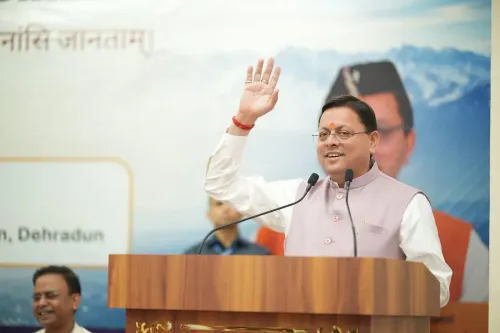
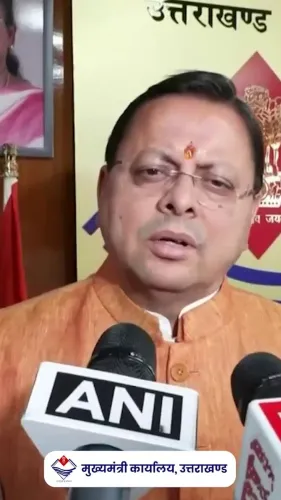
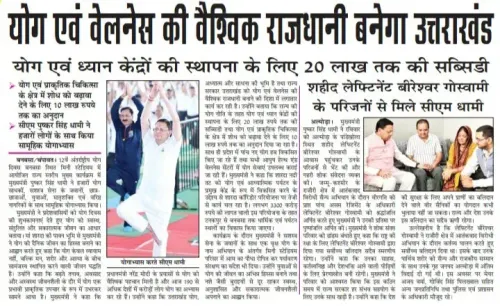
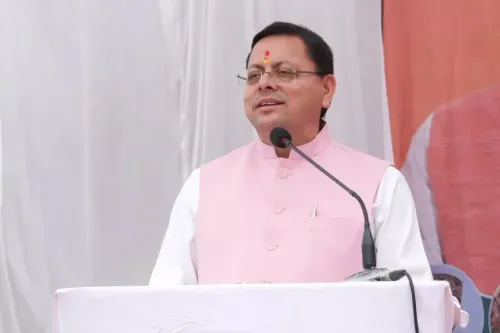
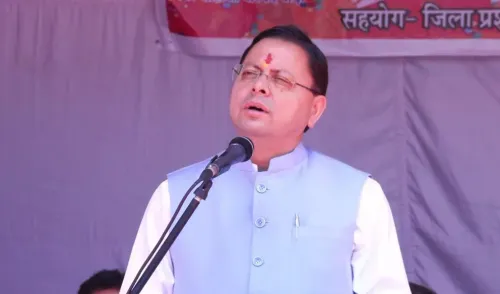
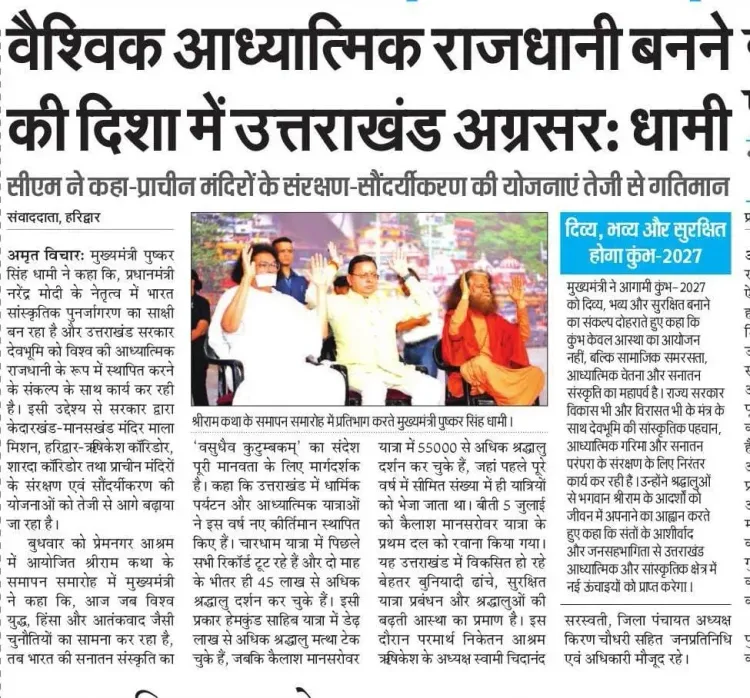
The Chief Minister's Office of Uttarakhand, on Thursday, 9 July 2026, shared a statement by Chief Minister Pushkar Singh Dhami declaring that Uttarakhand is advancing toward becoming the world's spiritual capital. The post, carrying two images, quoted the Chief Minister in Hindi: 'वैश्विक आध्यात्मिक राजधानी बनने की दिशा में अग्रसर उत्तराखण्ड' — 'Uttarakhand is moving forward in the direction of becoming the global spiritual capital.'
Context
Uttarakhand is home to some of Hinduism's most revered pilgrimage destinations, collectively known as the Char Dham — Badrinath, Kedarnath, Gangotri, and Yamunotri. The state also hosts Rishikesh, internationally recognised as a global centre for yoga and wellness, drawing practitioners and seekers from across the world year-round. CM Dhami's statement frames these assets not merely as cultural heritage but as the foundation of a deliberate state-building ambition.
Policy Backdrop
The aspiration to position Uttarakhand as a spiritual destination has been embedded in state policy for over a decade. The central government approved the Char Dham All-Weather Road Project in 2016, significantly improving connectivity to the four pilgrimage sites and enabling larger volumes of pilgrims to visit across seasons. Simultaneously, Rishikesh has been promoted on international platforms as a wellness and yoga hub, with annual events drawing foreign visitors and strengthening the state's spiritual-tourism brand.
Since taking office in 2021, CM Pushkar Singh Dhami has consistently elevated spiritual heritage promotion as a pillar of Uttarakhand's development agenda. The state's positioning mirrors a broader national pattern in which religious heritage is treated as both an economic driver and a soft-power asset, placing Uttarakhand alongside sites such as Varanasi and Ayodhya in the national spiritual-tourism narrative.
Stakeholders and Impact
The primary beneficiaries of this strategic framing are pilgrims, the state tourism sector, and local communities dependent on hospitality and related industries in the hills. International yoga practitioners and wellness tourists represent a growing segment that state policy has increasingly sought to attract. Infrastructure investments tied to this vision — roads, accommodation, digital connectivity — carry material consequences for residents across Garhwal and Kumaon divisions.
For the state government, the 'global spiritual capital' label also carries a soft-power dimension, positioning Uttarakhand as a destination of cultural significance beyond India's borders and potentially influencing foreign investment in wellness and hospitality sectors.
What's Next
Observers will watch the state's forthcoming budget allocations for spiritual-tourism infrastructure and any new agreements with international yoga, wellness, or cultural organisations that could give institutional weight to the Chief Minister's declaration. Whether the government follows the statement with concrete programme announcements or legislative action will determine how far the 'global spiritual capital' vision translates from political messaging into measurable policy outcomes.
Point of View
But the 'global spiritual capital' framing elevates the ambition to an international register. The statement arrives as competition among pilgrimage-linked states intensifies, with Uttar Pradesh aggressively marketing Varanasi and Ayodhya, making Uttarakhand's differentiation strategy increasingly consequential. The CMO's choice to amplify this as a headline quote — rather than a policy announcement — suggests the government is building a narrative ahead of concrete programme rollouts. The real test will be whether infrastructure spending and international partnerships follow, or whether the declaration remains a positioning exercise.
NationPress
8 Oct 2026
Frequently Asked Questions
What did CM Pushkar Singh Dhami say about Uttarakhand as a spiritual capital?
CM Pushkar Singh Dhami stated that Uttarakhand is moving forward in the direction of becoming the 'global spiritual capital,' as shared by the Chief Minister's Office on 9 July 2026.
Why is Uttarakhand called a spiritual destination?
Uttarakhand is home to the Char Dham pilgrimage sites — Badrinath, Kedarnath, Gangotri, and Yamunotri — and to Rishikesh, a globally recognised centre for yoga and wellness, making it one of India's foremost spiritual destinations.
What is the Char Dham All-Weather Road Project?
The Char Dham All-Weather Road Project is a central government initiative approved in 2016 to improve road connectivity to the four sacred Char Dham sites in Uttarakhand, enabling pilgrims to visit across all seasons.
How is Uttarakhand promoting spiritual tourism internationally?
Uttarakhand promotes spiritual tourism through Rishikesh's international yoga events, the Char Dham pilgrimage circuit, and state policy that frames religious heritage as both an economic driver and a global soft-power asset.
What is Rishikesh known for globally?
Rishikesh, located in Uttarakhand, is internationally known as a hub for yoga, meditation, and wellness, attracting practitioners and spiritual seekers from around the world every year.