CM Dhami: Uttarakhand to Become Global Yoga & Wellness Capital
Synopsis
Chief Minister Pushkar Singh Dhami declared on 22 June 2026 that Uttarakhand will become the global capital of yoga and wellness. The announcement, timed to International Yoga Day, builds on the state's established identity around Rishikesh and aims to capture a booming global wellness-tourism market.
Key Takeaways
CM Pushkar Singh Dhami declared on 22 June 2026 that Uttarakhand will become the global capital of yoga and wellness.
The announcement was made a day after International Yoga Day on 21 June , an observance India initiated at the United Nations in 2015 .
Rishikesh is already recognised internationally as the Yoga Capital of the World and hosts the annual International Yoga Festival .
Uttarakhand has been a primary host state for national International Yoga Day events since 2015 .
The move targets the global wellness-tourism market, where rival states including Kerala and Rajasthan have already built dedicated circuits.
Concrete policy measures — budget allocations, infrastructure projects, and potential MoUs — are yet to be announced.
The Chief Minister's Office of Uttarakhand announced on Monday, 22 June 2026 that Chief Minister Pushkar Singh Dhami has declared the state's ambition to become the global capital of yoga and wellness, a statement timed closely to the annual observance of International Yoga Day on 21 June.
Context
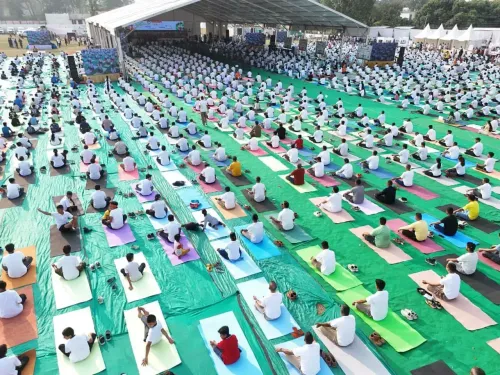
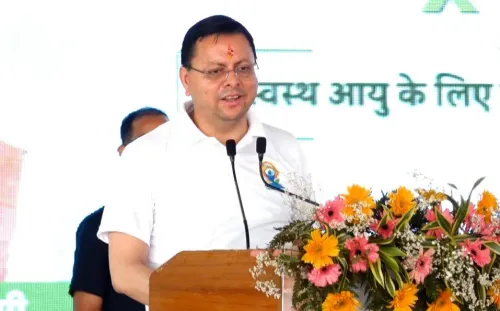
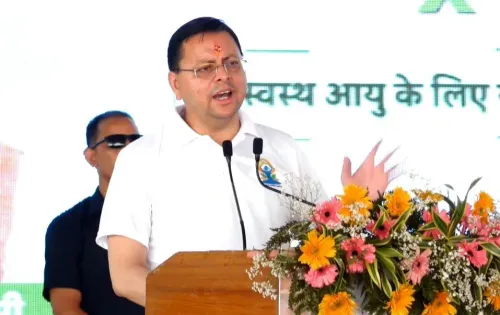
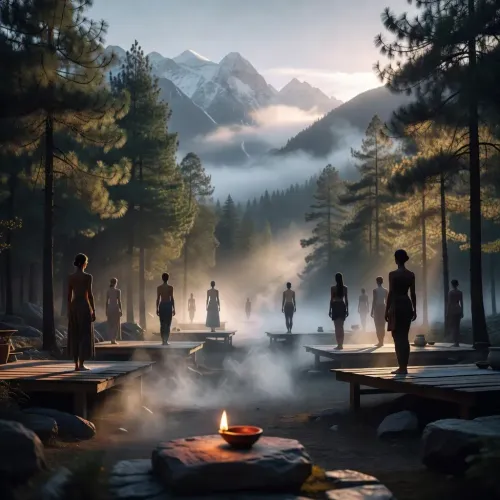
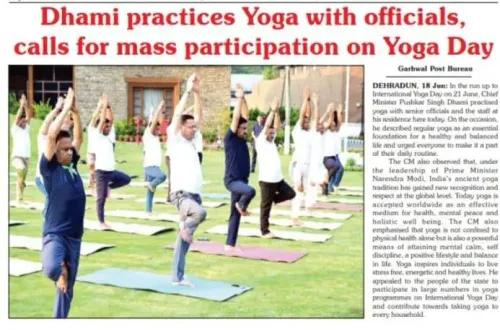
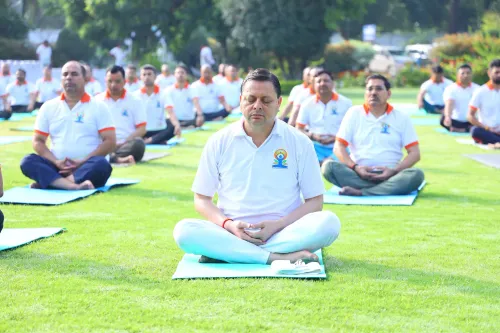
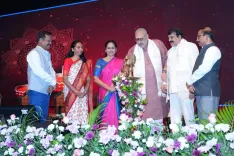
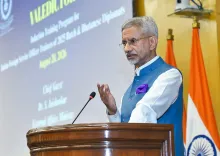
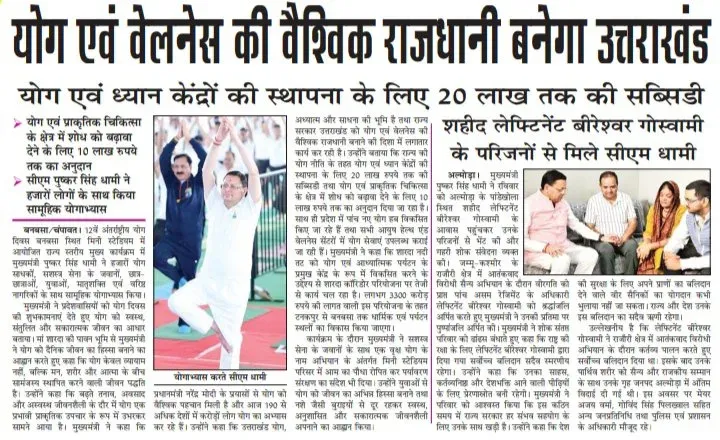
The Chief Minister's Office posted in Hindi: 'Yog aur wellness ki vaishvik rajdhani banega Uttarakhand' ('Uttarakhand will become the global capital of yoga and wellness'), attributing the declaration directly to CM Pushkar Singh Dhami. The statement was accompanied by four images, signalling a formal, high-visibility communication rather than a passing remark.
The timing is deliberate. International Yoga Day, observed every year on 21 June, has since its inception in 2015 been closely associated with Uttarakhand, which hosts large-scale state events alongside the national programme. Rishikesh, located in the state's Tehri Garhwal and Pauri Garhwal districts, is already recognised internationally as the Yoga Capital of the World and draws practitioners from across the globe to its ashrams and the annual International Yoga Festival.
Policy Backdrop
CM Dhami, who has served as Chief Minister since March 2021, has consistently positioned the state's spiritual heritage and Himalayan geography as economic assets. His government's approach builds on a well-established policy lineage: the Government of India has organised International Yoga Day events with Uttarakhand as a primary host state since 2015, and the state has run the International Yoga Festival in Rishikesh since the early 2000s.
The broader ambition to brand Uttarakhand as a global wellness destination fits into India's soft-power projection of yoga at multilateral forums, including the United Nations, where the 21 June observance was first proposed by Prime Minister Narendra Modi in 2014 and adopted unanimously. Central schemes linking cultural heritage with economic development have provided additional policy scaffolding for state-level wellness branding.
Stakeholders and Impact
The declaration has direct implications for wellness tourists, yoga practitioners, and tourism operators across the state. The global wellness-tourism market is valued in the hundreds of billions of dollars, and Indian states including Kerala, Himachal Pradesh, and Rajasthan have already moved to carve out dedicated wellness circuits to capture this demand.
Uttarakhand's combination of Himalayan landscapes, established ashram infrastructure in Rishikesh and Haridwar, and the state's existing reputation in yoga and Ayurveda gives it a structural advantage over rival destinations. A formal 'global capital' positioning, if backed by investment and policy, could accelerate inbound wellness tourism and create employment in hospitality, instruction, and allied services.
What's Next
Observers will watch for concrete follow-through: dedicated budget lines in the next state assembly session, new infrastructure projects at key yoga and wellness sites, and potential memoranda of understanding with foreign tourism boards or international wellness companies. The statement sets a directional intent; the policy architecture to support it remains to be detailed.
As India continues to leverage yoga as a pillar of cultural diplomacy, Uttarakhand's formal claim to global wellness leadership could position the state at the centre of a rapidly expanding international market — provided institutional investment matches the political ambition.
Point of View
Perception shapes investment flows before policy does. By anchoring the claim to International Yoga Day, the government leverages India's most visible cultural-diplomacy moment to assert Uttarakhand's primacy over rival state destinations. The move fits a broader BJP-governed-state pattern of fusing civilisational soft power with economic development narratives. The real test will be whether the declaration is followed by measurable infrastructure and institutional commitments in the next budget cycle.
NationPress
20 Sept 2026
Frequently Asked Questions
Why did CM Dhami declare Uttarakhand the global yoga and wellness capital?
CM Pushkar Singh Dhami made the declaration to formally position Uttarakhand as the world's leading yoga and wellness destination, capitalising on the state's existing infrastructure in Rishikesh and the annual momentum of International Yoga Day observed on 21 June.
What is Rishikesh's role in Uttarakhand's yoga identity?
Rishikesh is internationally recognised as the Yoga Capital of the World, home to numerous ashrams, the annual International Yoga Festival, and a long-established community of global yoga practitioners, making it the centrepiece of the state's wellness-tourism brand.
When was International Yoga Day established and what is India's role?
International Yoga Day has been observed globally on 21 June since 2015, following a proposal by Prime Minister Narendra Modi at the United Nations General Assembly in 2014; India leads global celebrations each year.
How does Uttarakhand compare to other Indian states in wellness tourism?
Uttarakhand has a structural advantage through Rishikesh and Haridwar's established spiritual infrastructure, though states like Kerala, Himachal Pradesh and Rajasthan have also developed dedicated wellness tourism circuits targeting the same global market.
What policy measures are expected to follow CM Dhami's yoga capital announcement?
Observers are watching for dedicated budget allocations, new infrastructure at yoga and wellness sites, and potential agreements with foreign tourism boards or wellness companies, though no specific measures have been announced alongside the declaration.