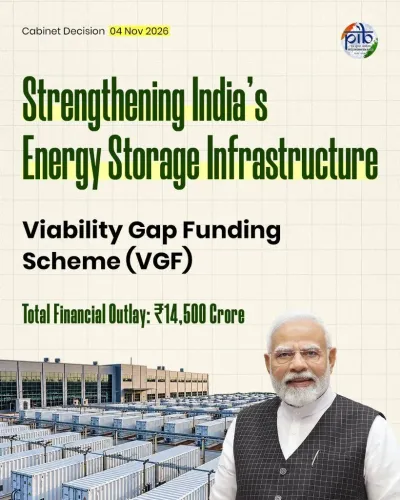
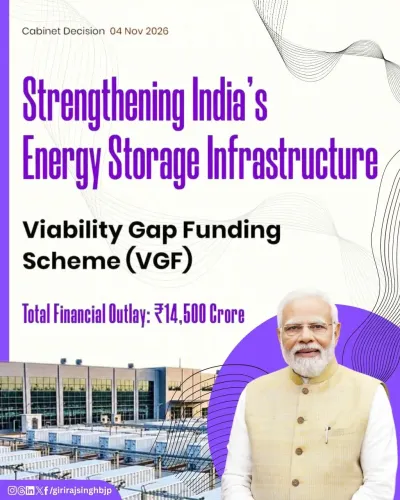
Cabinet Clears ₹14,500 Cr VGF Scheme for 92 GW Energy Storage
Synopsis
The Union Cabinet approved a ₹14,500 crore Viability Gap Funding scheme for 92 GW of grid-scale energy storage, aiming to stabilise India's power grid, ensure round-the-clock electricity, and build a domestic clean energy manufacturing base aligned with the 2030 renewables target.
Key Takeaways
The Union Cabinet approved a ₹14,500 crore Viability Gap Funding scheme for grid-scale energy storage systems.
The scheme targets 92 gigawatts of storage capacity to address renewable energy intermittency.
A core objective is promoting indigenous manufacturing to reduce import dependence in clean energy technology.
The decision aligns with India's Panchamrit pledge of 500 GW non-fossil fuel capacity by 2030 .
Key beneficiaries include renewable energy developers, power distribution companies, and domestic battery manufacturers.
Execution will hinge on the swift issuance of bidding guidelines and tender timelines by central agencies.
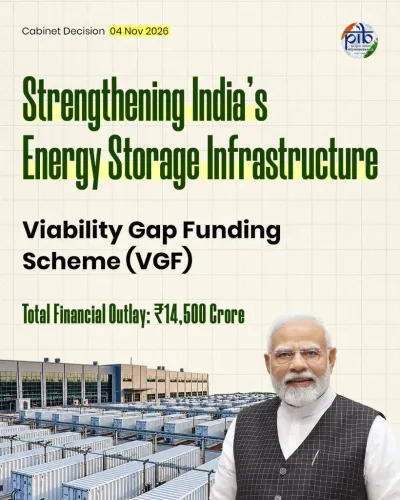
India's grid just got a ₹14,500 crore backbone. The Union Cabinet, under Prime Minister Narendra Modi, approved a landmark Viability Gap Funding scheme on Wednesday, November 4, 2026 — targeting 92 gigawatts of grid-scale energy storage systems in a move that could reshape how the country powers itself around the clock.
Union Labour and Sports Minister Mansukh Mandaviya hailed the decision on X, calling it 'harit aur atmanirbhar Bharat ki disha mein ek aitihasik kadam' — 'a historic step towards a green and self-reliant India.' The minister underlined three outcomes the scheme is designed to deliver: a stronger national grid, uninterrupted 24-hour electricity supply, and a decisive push for domestic manufacturing in clean energy technology.
Why 92 GW of storage changes the renewables equation
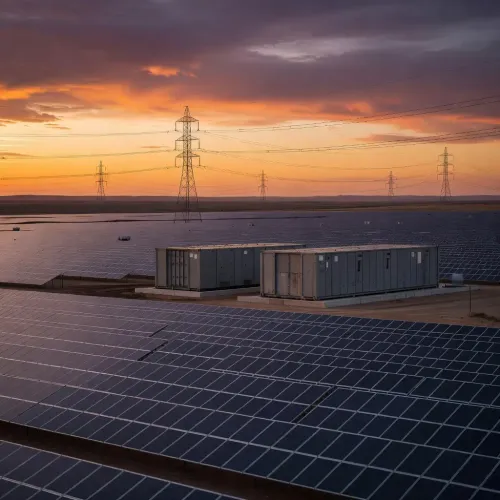
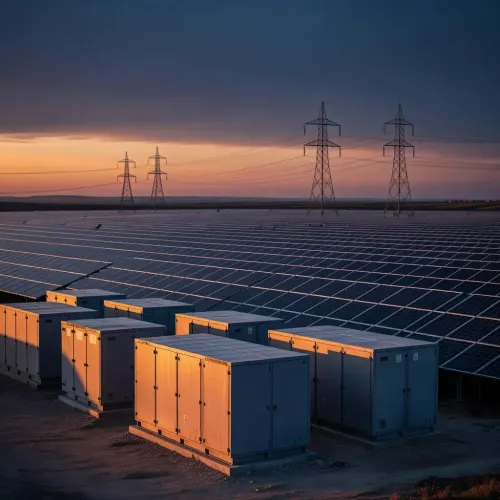
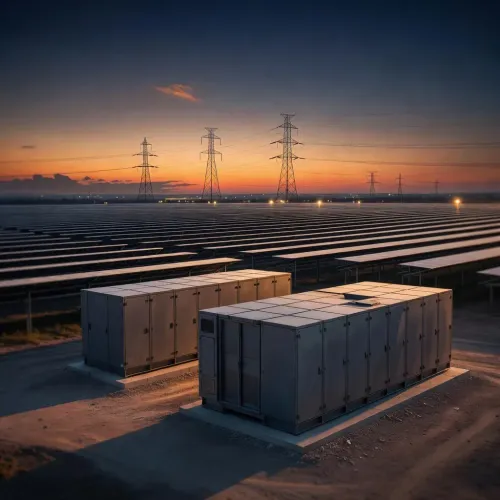
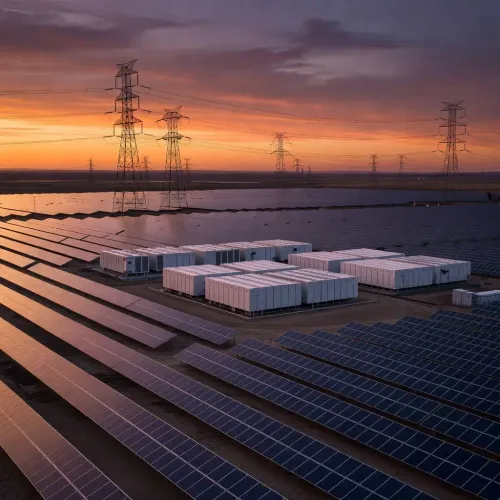
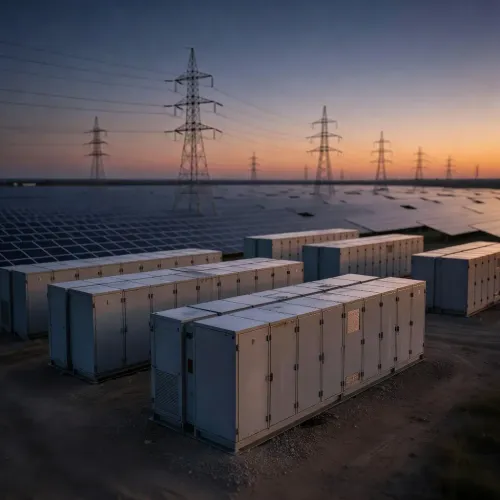
India's renewable energy ambition has long run into one stubborn wall — the sun sets and the wind stills. Grid-scale battery and pumped-hydro storage systems are the fix, absorbing surplus solar and wind power during peak generation hours and releasing it when demand spikes at night. At 92 GW, the targeted storage capacity is not incremental; it is a structural shift.
The scheme arrives against the backdrop of India's Panchamrit climate pledge at COP26 in 2021, which set a goal of 500 GW of non-fossil fuel power capacity by 2030. Hitting that target without matching storage infrastructure risks grid instability — precisely the gap this VGF scheme is designed to close.
The Atmanirbhar angle: domestic manufacturing at the core
Viability Gap Funding is a Government of India instrument that bridges the financial shortfall between project cost and commercially viable returns — in essence, the state underwrites the risk so private capital flows in. By tying this funding to indigenous manufacturing, the Cabinet is extending the logic of the Production Linked Incentive scheme for solar PV modules launched in 2021 into the storage segment.
The strategic intent is clear: India currently relies heavily on imported battery cells, primarily from China. A domestic storage manufacturing base reduces that dependence, creates industrial employment, and positions Indian firms to compete in a global market projected to scale rapidly through the decade.
Who stands to gain — and what comes next
Renewable energy developers, power distribution companies, and domestic component manufacturers are the immediate stakeholders. For DISCOMs — perennially stressed by peak-demand shortfalls — large storage deployments could cut costly short-term power purchases. For industrial groups eyeing the battery supply chain, the scheme signals sovereign demand at scale.
The next pressure point will be execution speed. Cabinet approval sets the policy ceiling; bidding guidelines and tender timelines from central agencies will determine whether the ambition converts to installed capacity before the 2030 deadline. Watch for the Ministry of New and Renewable Energy to issue procurement frameworks in the months ahead.
India has approved the vision. Now the grid waits to see whether the hardware follows at the pace the climate clock demands.
Point of View
500 crore VGF scheme for energy storage marks a qualitative shift in India's clean energy strategy — moving beyond capacity addition to actually making that capacity despatchable. By pairing grid-scale storage with a domestic manufacturing mandate, the government is simultaneously addressing grid reliability, energy security, and industrial policy in a single instrument. This follows a consistent pattern of using sovereign demand to seed sunrise industries, echoing the PLI playbook in solar and semiconductors. The real test will be whether procurement frameworks arrive fast enough to keep pace with India's rapidly approaching 2030 renewable targets.
NationPress
4 Nov 2026
Frequently Asked Questions
What is the ₹14,500 crore VGF scheme for energy storage?
It is a Viability Gap Funding scheme approved by the Union Cabinet to support the development of 92 gigawatts of grid-scale energy storage systems in India, aimed at ensuring round-the-clock power supply and promoting domestic manufacturing in the clean energy sector.
What is Viability Gap Funding and how does it work?
Viability Gap Funding is a government grant that bridges the gap between the cost of an infrastructure project and its commercially viable returns, reducing financial risk to attract private investment into projects with high social value but uncertain profitability.
Why does India need grid-scale energy storage?
Solar and wind power are intermittent — they generate electricity only when the sun shines or the wind blows. Grid-scale storage absorbs surplus generation and releases it during demand peaks, making renewable power available around the clock and stabilising the national grid.
How does this scheme connect to India's 2030 renewable energy target?
India committed under its Panchamrit strategy at COP26 to achieve 500 GW of non-fossil fuel power capacity by 2030. Large-scale storage is essential to integrate that level of renewables without destabilising the grid, making this scheme a critical enabler of that goal.
What comes next after Cabinet approval of the energy storage VGF scheme?
The Ministry of New and Renewable Energy is expected to issue detailed bidding guidelines and tender timelines. Domestic manufacturers and renewable energy developers will be watching for procurement frameworks that translate the approved funding into actual contracts and installed capacity.