CM Dhami Flags Badrinath Road, Rail Push in Chamoli
Synopsis
Chief Minister Pushkar Singh Dhami reaffirms Uttarakhand's focus on Chamoli district, citing rapid work on the Char Dham Road Project to Badrinath and the Rishikesh-Karnaprayag railway — pledging gains in connectivity, tourism, and regional economy.
Key Takeaways
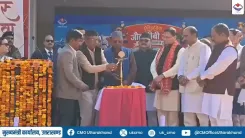
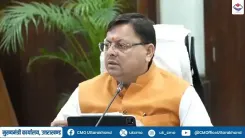
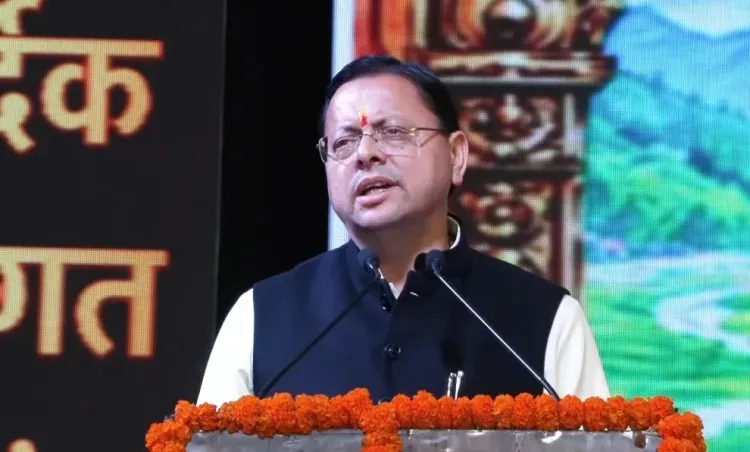
The Chief Minister's Office of Uttarakhand quoted CM Pushkar Singh Dhami on 14 November 2026 , pledging all-round development for Chamoli district .
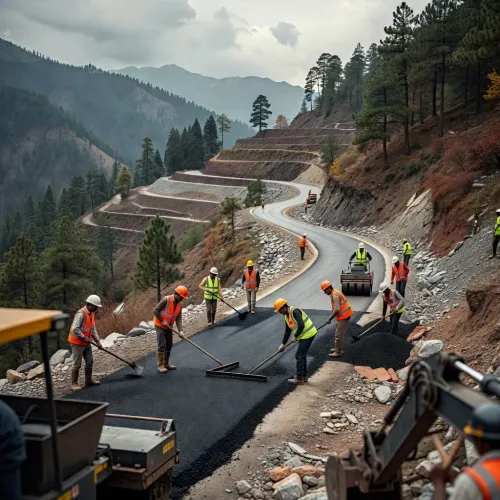
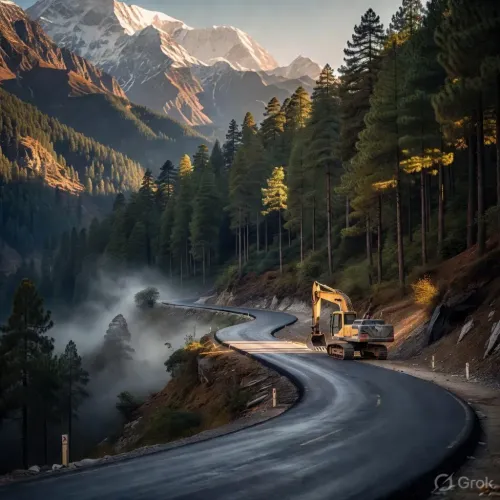
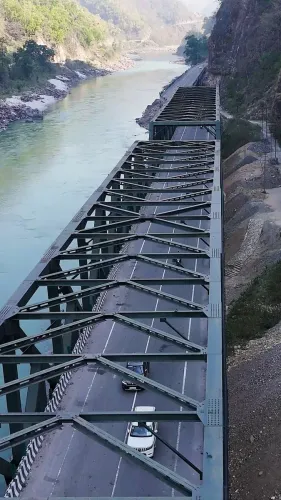
The Char Dham Road Project — a Union Cabinet-approved initiative covering approximately 900 km of pilgrim routes — is being used to improve road access to Badrinath Dham .
Work on the Rishikesh-Karnaprayag rail corridor is described as progressing rapidly; the line will be the first broad-gauge railway into the Garhwal Himalayas.
Dhami cited three expected outcomes from the rail project: improved connectivity , growth in tourism , and a stronger regional economy .
Chamoli district borders Tibet, giving its infrastructure investment both a developmental and a strategic significance.
Progress on tunnelling, land acquisition, and revised completion timelines remain the key metrics to watch on both projects.
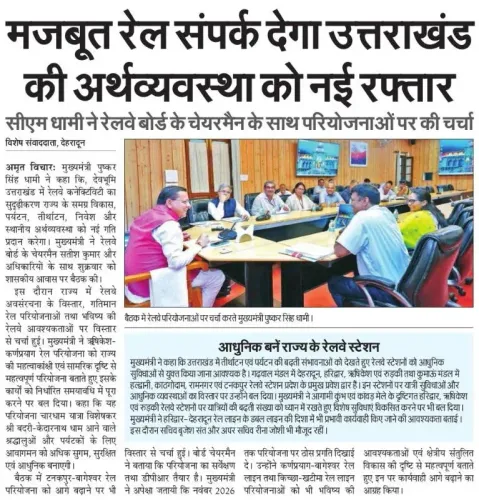
Two landmark infrastructure corridors — one carving better roads to Badrinath Dham and another threading a broad-gauge railway through the Garhwal Himalayas — are reshaping connectivity in one of Uttarakhand's most pivotal districts. The Chief Minister's Office of Uttarakhand posted on Saturday, 14 November 2026, quoting Chief Minister Pushkar Singh Dhami on the state government's twin infrastructure push in Chamoli district.
Dhami's statement, issued in Hindi, made the government's intent explicit: 'हमारी सरकार चमोली जनपद के सर्वांगीण विकास के लिए पूरी तरह समर्पित होकर काम कर रही है' — 'Our government is working with complete dedication for the all-round development of Chamoli district.' He pointed to two specific projects as the twin engines of that commitment: the Char Dham Road Project for improving road connectivity to Shri Badrinath Dham, and the Rishikesh-Karnaprayag Rail Project, which he said is progressing rapidly.
The Char Dham Road: Pilgrimage Route Gets a Modern Spine
The Char Dham Pariyojana, approved by the Union Cabinet in 2016, set out to upgrade roughly 900 kilometres of roads connecting Uttarakhand's four sacred sites — Badrinath, Kedarnath, Gangotri, and Yamunotri. For Chamoli district, which houses Badrinath, this means smoother, safer access for the millions of pilgrims who make the annual yatra. The route has historically been vulnerable to landslides and seasonal closures, making upgrades a matter of both religious significance and life-and-limb safety.
Dhami's statement signals that this stretch remains an active priority, not a stalled file. For local communities whose livelihoods depend on the pilgrim economy, tangible road progress translates directly into hotel bookings, dhabas, and porter incomes — the granular economics of a Himalayan district.
Rishikesh-Karnaprayag Rail: The Line That Could Change Everything
If the road project is a repair, the Rishikesh-Karnaprayag rail corridor is a transformation. Sanctioned by the Ministry of Railways in the early 2010s, this broad-gauge line is designed to push the Indian rail network deep into the Garhwal hills for the first time — connecting the yoga capital Rishikesh to Karnaprayag, a town at the confluence of the Alaknanda and Pindar rivers. The project involves extensive tunnelling through some of the most geologically complex terrain in the country.
Dhami's post argues the payoff will be three-fold: better connectivity, a boost to tourism, and a stronger regional economy. Those aren't empty promises in this geography. A reliable rail link to the Himalayas dramatically lowers the cost and risk of travel for pilgrims who cannot afford private vehicles, opens winter tourism that road closures currently choke off, and gives local produce a viable supply chain to plains markets.
Chamoli's Strategic Weight Beyond the Pilgrimage Circuit
Chamoli is not just a spiritual address. The district shares a border with Tibet (China), giving its infrastructure development a strategic dimension that runs alongside the tourism narrative. Successive governments at the Centre and in Dehradun have framed hill-state connectivity investment partly through this lens — roads and rail that move pilgrims in peacetime also move logistics in contingencies. Dhami's framing stays economic and developmental, but the broader pattern of investment in border districts carries that dual weight.
Uttarakhand has made all-round development of Himalayan districts a recurring political promise. The question observers will track is whether project timelines — often stretched by tunnelling challenges, land acquisition, and seasonal work windows — keep pace with the ambition being stated. Progress milestones, revised completion schedules, and central fund releases will tell the real story.
Two corridors, one mountain district, and a Chief Minister who is betting that infrastructure delivered in the Himalayas will be felt — and remembered — in the plains come election season.
Point of View
The political art lies in sustaining public confidence between groundbreaking and ribbon-cutting. The strategic-border dimension of Chamoli also means that central support for these corridors is unlikely to be purely discretionary — a leverage Dehradun has quietly used before.
NationPress
15 Nov 2026
Frequently Asked Questions
What is the Rishikesh-Karnaprayag rail project?
The Rishikesh-Karnaprayag rail project is a planned broad-gauge railway line sanctioned by the Ministry of Railways in the early 2010s to connect Rishikesh with Karnaprayag in the Garhwal Himalayas, bringing rail access to a region currently served only by roads.
What is the Char Dham Road Project and which sites does it cover?
The Char Dham Pariyojana, approved by the Union Cabinet in 2016, aims to upgrade approximately 900 km of roads linking four sacred Hindu pilgrimage sites in Uttarakhand: Badrinath, Kedarnath, Gangotri, and Yamunotri.
What has CM Pushkar Singh Dhami said about Chamoli district development?
CM Dhami stated on 14 November 2026 that his government is fully dedicated to the all-round development of Chamoli district, specifically citing active work on road connectivity to Badrinath via the Char Dham project and rapid progress on the Rishikesh-Karnaprayag rail line.
When will the Rishikesh-Karnaprayag railway be completed?
An exact confirmed completion date is not publicly established; the project involves complex tunnelling through Himalayan terrain, and revised timelines and progress milestones are the key figures to track.
Why is Chamoli district infrastructure important for Uttarakhand?
Chamoli hosts Badrinath Dham, a major pilgrimage destination drawing large annual crowds, and also borders Tibet — making its infrastructure development significant for both the state's pilgrim-tourism economy and national strategic considerations.