CM Dhami Greets Uttarakhand on Harela, Urges Tree Planting
Synopsis
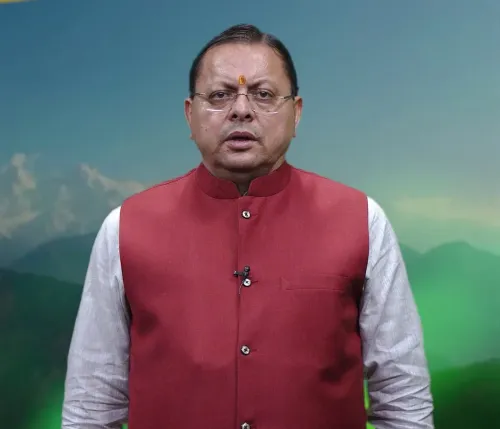
Uttarakhand Chief Minister Pushkar Singh Dhami marked Harela on 16 July 2026 by calling on all state residents to plant a sapling and pledge toward a green, clean, and prosperous Uttarakhand, framing the Kumaoni folk festival as a symbol of environmental resolve.
Key Takeaways
CM Pushkar Singh Dhami extended Harela greetings to all Uttarakhand residents on 16 July 2026 .
Harela is a traditional Kumaoni folk festival observed in mid-July, centred on seed-sowing and sapling planting as reverence for nature.
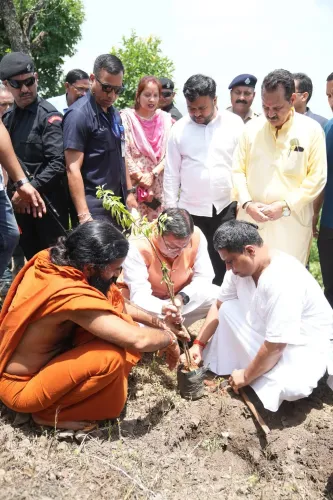
Dhami called on citizens to plant at least one sapling and commit to building a 'green, clean, and prosperous' Uttarakhand .
He described the festival as a symbol of faith in nature, gratitude, and the resolve for environmental conservation.
Uttarakhand governments have for several years linked Harela with official monsoon tree-plantation campaigns.
Observers will watch for formal plantation targets and district-level follow-up directives from the state government.
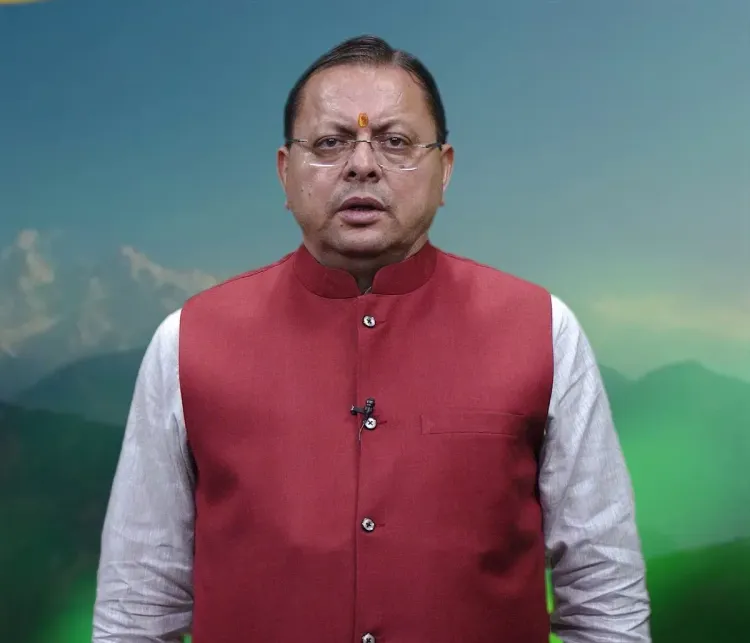
Uttarakhand Chief Minister Pushkar Singh Dhami on Thursday, 16 July 2026, extended greetings to all residents of the state on the occasion of Harela, the Kumaoni folk festival celebrating nature, and called on citizens to plant at least one sapling and commit to building a greener, cleaner Uttarakhand.
Context
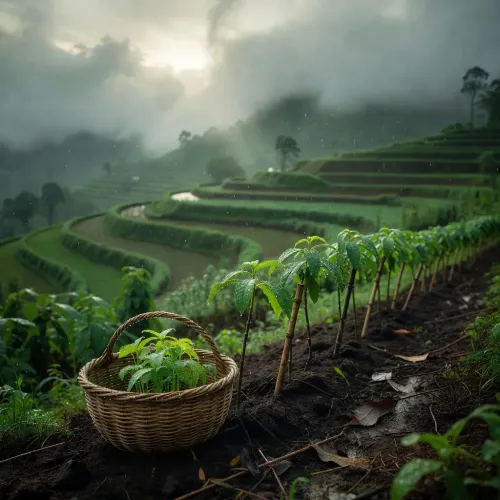
Harela — literally meaning 'greenery' — is a traditional festival observed primarily in the Kumaon region of Uttarakhand, typically falling in mid-July at the onset of the monsoon. The festival involves sowing seeds days in advance and offering the sprouted shoots as a symbol of prosperity and reverence for the natural world. In his post, CM Dhami described Harela as 'prakriti ke prati hamari aastha, kritagyata aur paryavaran sanrakshan ke sankalp ka pavan prateek' — 'a sacred symbol of our faith in nature, our gratitude, and our resolve for environmental conservation.'
He urged residents to plant a sapling on this auspicious occasion and take a pledge toward constructing a 'green, clean, and prosperous Uttarakhand' for future generations.
Policy Backdrop
Uttarakhand, a Himalayan state with a forest-dependent economy and a historic tradition of community-led conservation, has for several years linked official tree-plantation campaigns with the Harela festival. State administrations have used the occasion to mobilise district machinery and civil society around monsoon-season planting drives, when conditions are most favourable for sapling survival in the hills.
Successive governments in the state have framed traditional festivals as vehicles for environmental messaging, situating them within broader goals of sustainable development and climate resilience in the fragile Himalayan ecosystem. The BJP-led administration under CM Dhami has continued this approach, positioning cultural observances as entry points for public participation in state conservation programmes.
Stakeholders and Impact
The call to action is directed at all Uttarakhand residents, with particular resonance for hill communities whose livelihoods — from agriculture to water security — are closely tied to forest cover and ecological health. Community participation in plantation drives during Harela has historically been high, given the festival's deep cultural roots in the Kumaon and Garhwal divisions.
Environmental groups and local panchayats often coordinate with state forest departments during this period to distribute saplings and track planting activity across districts. The monsoon window is considered critical for ensuring that newly planted saplings establish themselves before the dry season.
What's Next
Attention will now turn to whether the state government issues formal plantation targets for the 2026 monsoon season and any follow-up directives to district administrations regarding sapling survival rates — a metric that has gained importance in assessing the real-world impact of such drives beyond the symbolic gesture of the festival day itself. The scale and coordination of the official campaign in the days following Harela will indicate how deeply the government intends to operationalise the Chief Minister's public call.
Point of View
CM Dhami is deploying a well-worn but effective strategy of using tradition to legitimise state policy goals — in this case, green-cover expansion in a climate-vulnerable Himalayan state. The move fits a broader BJP pattern of framing ecological and developmental objectives through the lens of Indian cultural identity, making the message more accessible and politically resonant than a bureaucratic directive would be. For Uttarakhand, where forests underpin water security, agriculture, and tourism, the stakes of such campaigns are practical as well as symbolic. The real test will be whether the Chief Minister's public pledge translates into measurable plantation outcomes with credible survival-rate tracking.
NationPress
16 Jul 2026
Frequently Asked Questions
What is Harela festival and why is it celebrated in Uttarakhand?
Harela is a traditional Kumaoni folk festival observed in mid-July to mark the onset of the monsoon. It involves sowing seeds days in advance and offering the sprouted shoots as a symbol of prosperity and reverence for nature. The festival is deeply rooted in the agrarian and forest-dependent communities of the Kumaon region of Uttarakhand.
What did CM Pushkar Singh Dhami say on Harela 2026?
On 16 July 2026, CM Dhami greeted all Uttarakhand residents on Harela and urged every citizen to plant at least one sapling. He described the festival as a sacred symbol of faith in nature, gratitude, and the resolve for environmental conservation, and called for collective participation in building a green, clean, and prosperous Uttarakhand.
How does Uttarakhand government use Harela for environmental campaigns?
The Uttarakhand government has for several years linked the Harela festival with official tree-plantation drives during the monsoon season, when conditions are most favourable for sapling establishment in the hills. District administrations and forest departments coordinate sapling distribution and planting activities around the festival.
When is Harela celebrated in 2026?
Harela in 2026 falls on 16 July, as indicated by CM Dhami's greetings posted on that date. The festival typically occurs in mid-July each year, coinciding with the Sawan month in the Hindu calendar.
Why is tree plantation important for Uttarakhand?
Uttarakhand is a Himalayan state whose communities depend on forest cover for water security, agriculture, and livelihoods. The state's fragile mountain ecosystem makes it particularly vulnerable to climate change, deforestation, and extreme weather events, making sustained tree-plantation efforts a practical ecological priority.