CM Dhami Hails Cabinet Nod for Khelo India Manufacturing and Gram Swaraj Schemes
Synopsis
India's Union Cabinet approved the Khelo India Sports Goods Manufacturing Scheme to boost domestic sports equipment production and the PM Viksit Gram Swaraj Yojana to strengthen panchayats, with Uttarakhand CM Pushkar Singh Dhami welcoming both as milestones on the road to Viksit Bharat 2047.
Key Takeaways
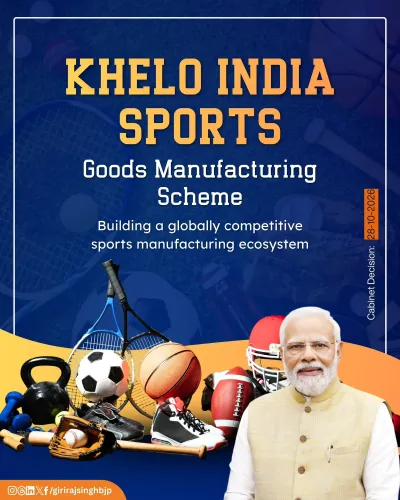
The Union Cabinet, chaired by PM Narendra Modi , approved two major schemes on October 28, 2026 .
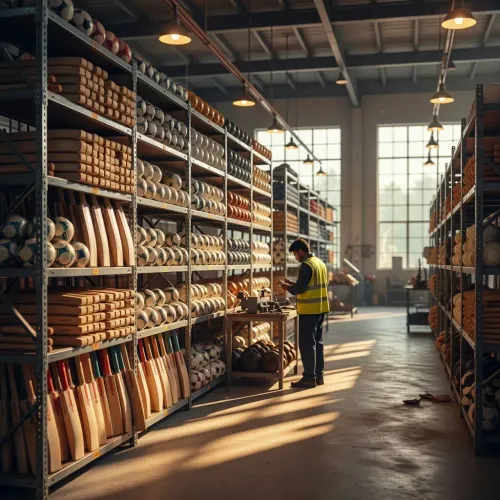
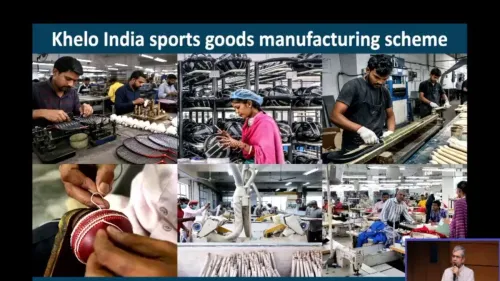
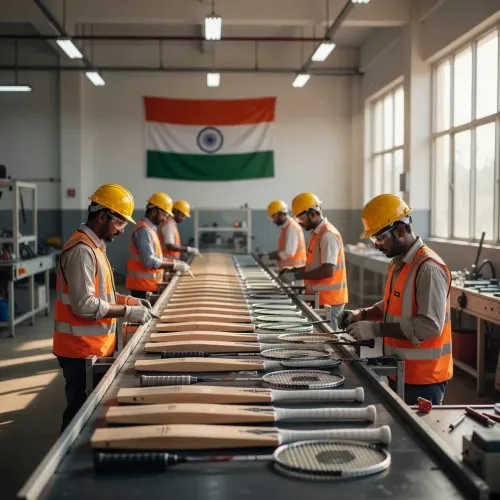
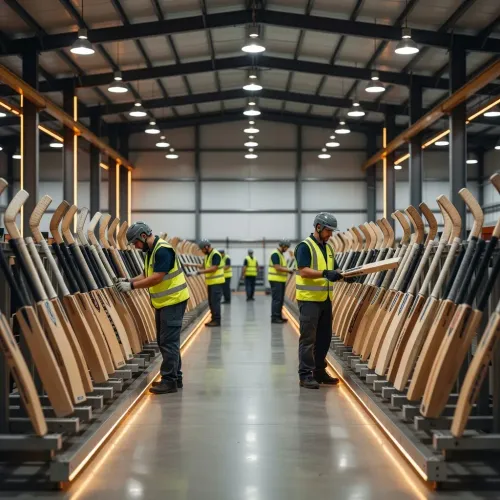
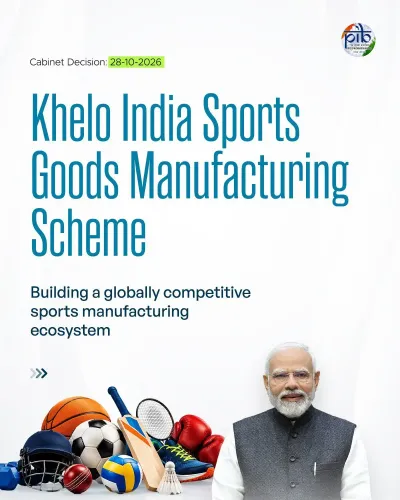
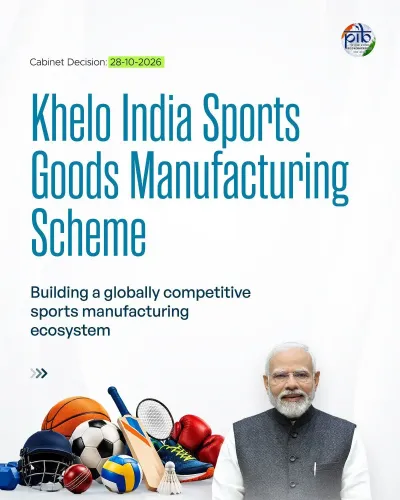
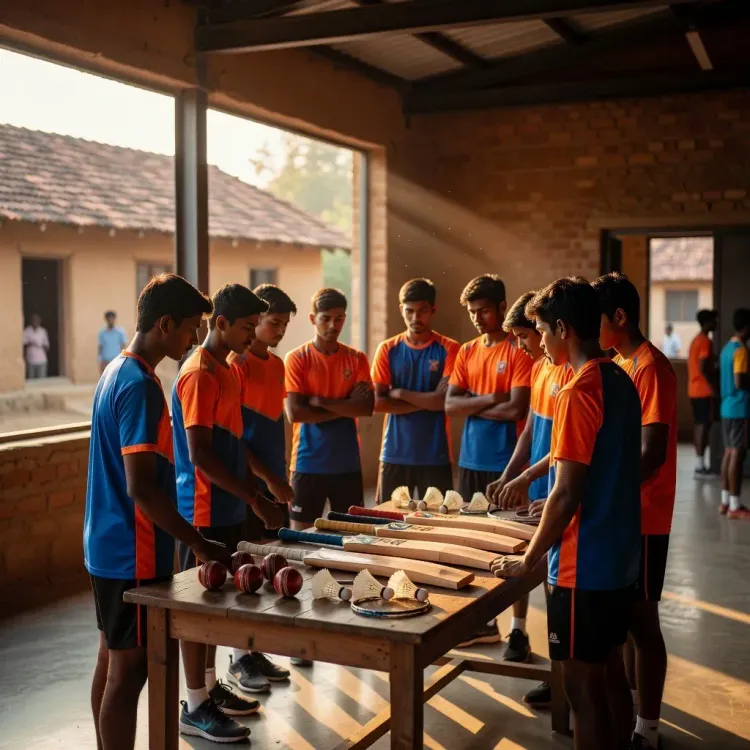
The Khelo India Sports Goods Manufacturing Scheme aims to incentivise domestic production of sports equipment and create new employment opportunities for youth.
The Pradhan Mantri Viksit Gram Swaraj Yojana is designed to strengthen panchayati raj institutions and accelerate rural infrastructure development.
Both schemes are framed as pillars of the Atmanirbhar Bharat and Viksit Bharat 2047 policy frameworks.
The approvals build on earlier programmes — Khelo India (2017) and the Rashtriya Gram Swaraj Abhiyan (2018) — extending their scope and ambition.
Scheme guidelines, budget allocations, and state-level rollout mechanisms are awaited in the coming months.
Two schemes with the potential to reshape India's sports manufacturing landscape and rural governance architecture cleared the Union Cabinet on Wednesday, October 28, 2026 — and Uttarakhand Chief Minister Pushkar Singh Dhami was among the first to mark the moment, greeting both approvals as decisive steps toward Viksit Bharat (Developed India).
The Cabinet, chaired by Prime Minister Narendra Modi, greenlighted the 'Khelo India Sports Goods Manufacturing Scheme' and the 'Pradhan Mantri Viksit Gram Swaraj Yojana' in the same sitting. CM Dhami expressed gratitude to the Prime Minister and the Cabinet, calling the decisions 'Atmanirbhar Bharat ke sankalp ko mazboot karne wale kadam' — 'steps that strengthen the resolve of a self-reliant India'.
Sports Goods Manufacturing Gets a Policy Backbone
The Khelo India Sports Goods Manufacturing Scheme is designed to incentivise domestic production of sports equipment — a sector that India has historically relied on imports to supply. By building a manufacturing base at home, the scheme is expected to generate employment, reduce import dependence, and give young athletes and aspiring sportspersons affordable access to quality gear.
The Khelo India programme, first launched in 2017, already has a track record of identifying talent and building sports infrastructure across states. The new manufacturing arm deepens that commitment: it is not just about who plays, but about who builds the tools of the game. Under the Atmanirbhar Bharat Abhiyan, announced in May 2020, domestic manufacturing incentives have been extended to several niche sectors — sports goods now formally joining that list.
Panchayats and the Promise of Viksit Gram Swaraj
The second approval — the Pradhan Mantri Viksit Gram Swaraj Yojana — targets the governance layer closest to India's 650,000-plus villages: the panchayat. CM Dhami described the scheme as one that will 'give new momentum to development work in villages, strengthen panchayats, improve facilities in rural areas, and play an important role in the holistic development of rural regions.'
The policy lineage runs through the Rashtriya Gram Swaraj Abhiyan, rolled out in 2018 to empower panchayati raj institutions with better capacity, connectivity, and resources. The new Viksit Gram Swaraj Yojana signals a fresh push under the Viksit Bharat 2047 framework — the government's long-horizon blueprint to make India a developed nation by the centenary of Independence. Strengthening gram panchayats is, in that architecture, not a rural welfare measure alone; it is foundational infrastructure for decentralised governance.
What These Approvals Signal for BJP's Governance Narrative
Together, the two schemes represent the BJP government's dual-track outreach: urban and aspirational youth drawn to sports and manufacturing opportunity on one track, and rural communities anchored to panchayat-led development on the other. CM Dhami's prompt endorsement — framed squarely around Atmanirbhar Bharat and Viksit Bharat — reflects how state leaders are aligning their own political messaging with the Centre's 2047 narrative.
The immediate watchlist: scheme guidelines, budget allocations, and the state-level implementation machinery. Announcements at the Cabinet table are the beginning. Delivery at the village and sports-field level is the test that follows.
Point of View
The other rural governance — reveal a deliberate effort to anchor the BJP's pre-midterm political positioning in two distinct vote-bank geographies: aspirational urban youth and rural panchayat communities. The Khelo India manufacturing arm plugs a gap the 2017 programme always had: talent promotion without a domestic equipment supply chain is structurally incomplete. More broadly, both schemes fit neatly into the Viksit Bharat 2047 narrative, giving state-level BJP leaders like CM Dhami a ready-made policy message to carry into constituencies without constructing their own.
NationPress
28 Oct 2026
Frequently Asked Questions
What is the Khelo India Sports Goods Manufacturing Scheme?
It is a newly approved Central government scheme aimed at incentivising domestic production of sports equipment in India, intended to create employment, reduce import dependence, and make quality sports goods accessible to youth.
What is the Pradhan Mantri Viksit Gram Swaraj Yojana?
It is a scheme approved by the Union Cabinet to strengthen panchayati raj institutions, improve rural infrastructure, and accelerate holistic development in Indian villages under the Viksit Bharat 2047 framework.
When were these two schemes approved by the Cabinet?
Both schemes were approved at the Union Cabinet meeting chaired by Prime Minister Narendra Modi on Wednesday, October 28, 2026 .
How is the new Khelo India manufacturing scheme different from the original Khelo India programme?
The original Khelo India programme, launched in 2017, focused on talent identification and sports infrastructure. The new manufacturing scheme extends the initiative by building a domestic supply chain for sports goods, targeting production incentives and job creation.
Why did CM Pushkar Singh Dhami welcome these Cabinet decisions?
CM Dhami welcomed the approvals as significant steps toward Atmanirbhar Bharat and the Viksit Bharat 2047 goal, noting that the schemes will create new opportunities for youth through sports and accelerate rural development through stronger panchayats.