CM Dhami Hails Modi's 'Little Sister' Bond With Japan PM
Synopsis
Uttarakhand CM Pushkar Singh Dhami on 2 July 2026 lauded PM Modi's gesture of calling Japanese PM Sanae Takaichi his 'little sister', saying the personal bond symbolises deep India-Japan trust and will strengthen cooperation in trade, technology, security and culture.
Key Takeaways
Uttarakhand CM Pushkar Singh Dhami on 2 July 2026 publicly praised PM Modi 's gesture of calling Japanese PM Sanae Takaichi his 'little sister'.
Dhami called the address a 'strong symbol of trust and mutual respect' in India-Japan relations, not merely an emotional gesture.
The India-Japan Special Strategic and Global Partnership was established in 2014 , building on a bilateral framework dating to 2006 .
Both nations are members of the Quad , revived in 2017 , alongside the United States and Australia .
Dhami cited trade, technology, security and cultural cooperation as areas the personal bond between leaders is expected to advance.
The post reflects the BJP 's broader narrative that personal leader diplomacy is a strategic tool in India 's foreign policy.
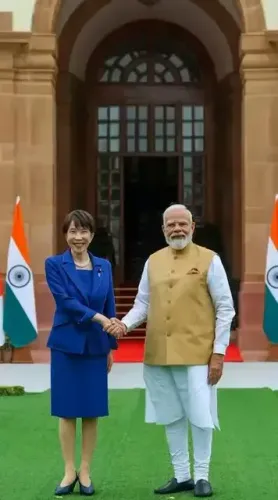
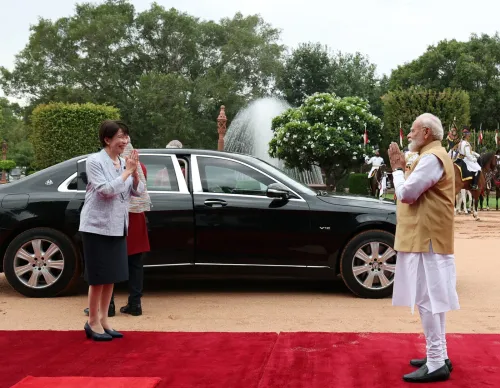
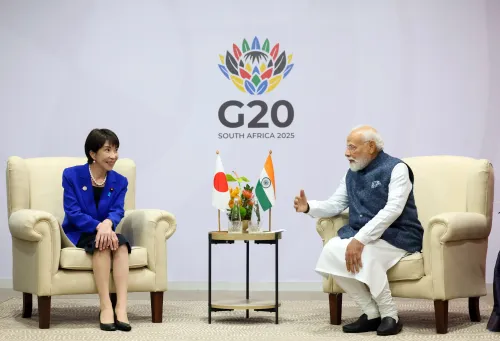
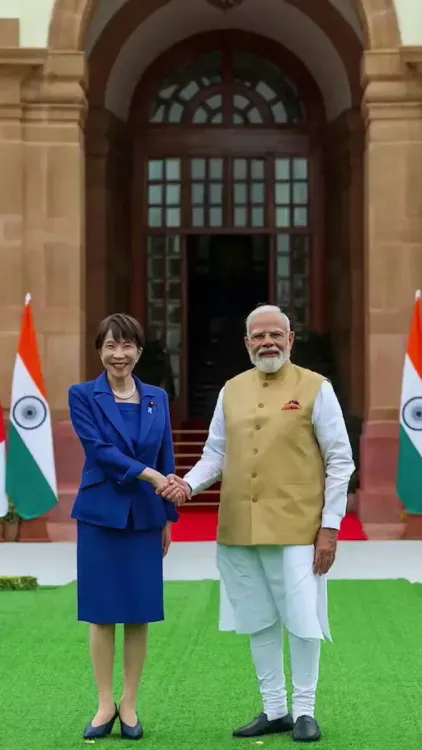
Uttarakhand Chief Minister Pushkar Singh Dhami on Thursday, 2 July 2026 praised Prime Minister Narendra Modi's gesture of addressing Japanese Prime Minister Sanae Takaichi as his 'little sister', calling it a powerful symbol of trust and mutual respect embedded in India-Japan relations.
Context
In his post, CM Dhami wrote that Modi's affectionate address to Takaichi as 'choti behen' (little sister) is 'not merely an emotional expression, but a strong symbol of the trust and mutual respect inherent in India-Japan relations.' He added that 'such human bonds elevate diplomacy to new heights.'
Dhami further stated that this personal connection 'will further strengthen the Special Strategic and Global Partnership between the two countries and play an important role in establishing new dimensions of cooperation in trade, technology, security and cultural exchange.'
Policy Backdrop
The India-Japan Special Strategic and Global Partnership was formally declared during Modi's 2014 visit to Tokyo, upgrading a framework that had existed since 2006. The relationship has since expanded through annual summits, a Civil Nuclear Cooperation Agreement concluded in 2016, and joint participation in the revived Quadrilateral Security Dialogue (Quad) from 2017 alongside the United States and Australia.
Personal rapport between leaders has been a consistent feature of India-Japan ties, most notably during Modi's extended engagement with former Prime Minister Shinzo Abe. That model of combining institutional mechanisms with leader-level trust has become a template for how New Delhi approaches its most strategic partnerships.
Stakeholders and Impact
The sectors Dhami specifically cited — trade, technology, security and cultural cooperation — map directly onto the existing architecture of India-Japan engagement. Defence forces, technology companies and infrastructure investors on both sides have been the primary beneficiaries of the partnership's deepening since 2014.
A warmer personal equation between Modi and Takaichi, if it translates into policy momentum, could accelerate ongoing discussions around defence equipment co-production, semiconductor supply-chain cooperation and Indo-Pacific connectivity projects where both nations share strategic interests.
What's Next
Attention will now turn to the next India-Japan annual summit and whether the personal chemistry on display produces concrete follow-through on technology transfer frameworks or new bilateral agreements. The Quad format also provides a near-term multilateral venue where the Modi-Takaichi dynamic could shape collective Indo-Pacific positioning.
Dhami's public endorsement of Modi's diplomatic style reflects the BJP's broader messaging that personal leadership and human connect are as consequential as formal treaties in advancing India's global standing.
Point of View
The party reinforces the idea that leader-level human connect is as binding as formal treaty architecture. The reference to trade, technology and security in a single breath is not incidental; it mirrors the four pillars of the India-Japan Special Strategic and Global Partnership, suggesting coordinated messaging. At a time when the Quad's cohesion is under scrutiny, projecting a warm Modi-Takaichi equation serves both domestic optics and an Indo-Pacific signalling function.
NationPress
2 Jul 2026
Frequently Asked Questions
Why did PM Modi call Japan PM Takaichi his 'little sister'?
PM Modi addressed Japanese Prime Minister Sanae Takaichi as his 'little sister' as a gesture of personal warmth and affinity. Uttarakhand CM Dhami described it as a symbol of the deep trust and mutual respect at the heart of India-Japan relations, not merely an emotional expression.
What is the India-Japan Special Strategic and Global Partnership?
The India-Japan Special Strategic and Global Partnership was declared in 2014 during PM Modi's visit to Tokyo, upgrading a bilateral framework established in 2006. It covers annual summits, defence cooperation, civil nuclear trade, technology exchange and joint participation in the Quad.
Who is Sanae Takaichi?
Sanae Takaichi is a senior Japanese politician and Liberal Democratic Party figure who has held multiple cabinet portfolios. In the context of this post, she is referenced as the Prime Minister of Japan in 2026.
What did CM Dhami say about India-Japan relations?
CM Pushkar Singh Dhami said that Modi's personal bond with Takaichi will strengthen the Special Strategic and Global Partnership between India and Japan and help establish new dimensions of cooperation in trade, technology, security and cultural exchange.
What is the Quad and how does India-Japan fit in?
The Quadrilateral Security Dialogue, or Quad, is a strategic grouping of India, Japan, the United States and Australia revived in 2017 to promote a free and open Indo-Pacific. India and Japan are two of its four members and share close bilateral ties that underpin the group's cohesion.