CM Dhami Hails Uttarakhand's Historic Connectivity Gains
Synopsis
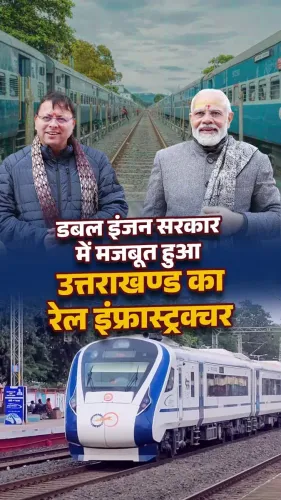
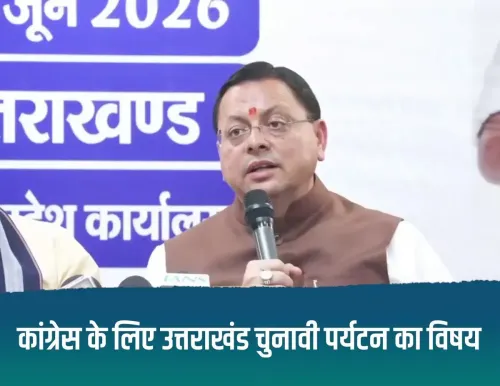
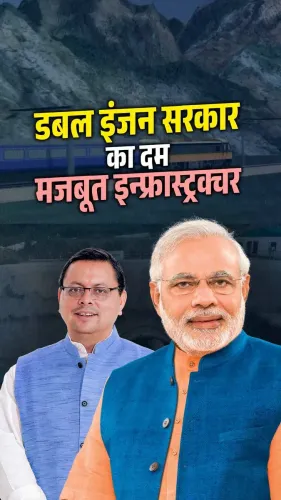
Uttarakhand CM Pushkar Singh Dhami on 3 July 2026 credited PM Modi's leadership and the double engine government for historic connectivity gains in the Himalayan state, tagging Union Ministers Amit Shah and Rajnath Singh in his post on X.
Key Takeaways
CM Pushkar Singh Dhami posted on 3 July 2026 claiming historic connectivity achievements for Uttarakhand under the double engine government model.
The post credited PM Narendra Modi 's guidance and tagged Amit Shah , Rajnath Singh , and BJP handles.
The Char Dham Pariyojana targets approximately 900 km of road widening linking four major pilgrimage shrines in Uttarakhand.
Bharatmala Pariyojana and PM Gati Shakti form the broader policy architecture driving central investment in Uttarakhand's road and multi-modal network.
Key beneficiaries include Char Dham pilgrims, border-area residents in districts such as Chamoli and Pithoragarh , and the state's tourism sector.
Uttarakhand assembly elections are due in 2027 , giving infrastructure delivery strong political salience for the BJP.
Uttarakhand Chief Minister Pushkar Singh Dhami on Friday, 3 July 2026, credited Prime Minister Narendra Modi's guidance and the 'double engine' government model for what he described as historic achievements in connectivity across the hill state. The Chief Minister shared his remarks on X, tagging senior Union ministers including Amit Shah and Rajnath Singh.
Context
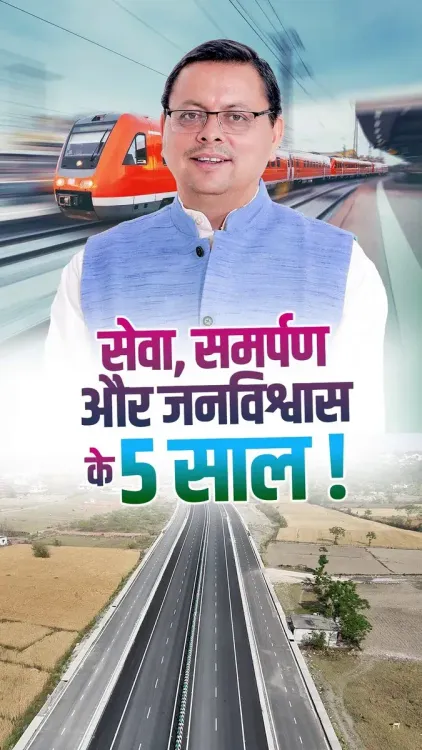
In his post, CM Dhami wrote — 'Uttarakhand ne connectivity ke kshetra mein aitihasik uplabdhiyan hasil ki hain' — ('Uttarakhand has achieved historic milestones in the field of connectivity') — attributing these gains to PM Modi's direction and the resolve of the double engine government. The post was accompanied by a video, though no specific project names, distances, or expenditure figures were cited in the text.
The 'double engine' formulation refers to the BJP's argument that a state and central government of the same party can coordinate faster on infrastructure delivery. Uttarakhand, which shares borders with China and Nepal, has been a consistent focus of central infrastructure investment given its strategic and religious significance.
Policy Backdrop
The post sits within a well-established policy framework. The Char Dham Pariyojana, announced in 2016, targets the widening of approximately 900 kilometres of roads linking the four sacred shrines of Yamunotri, Gangotri, Kedarnath, and Badrinath. The project has faced legal and environmental scrutiny but remains a flagship of the central government's Himalayan connectivity push.
Alongside it, Bharatmala Pariyojana Phase I, launched in 2015, includes explicit components for border roads and feeder highways in Uttarakhand. The PM Gati Shakti National Master Plan, unveiled in 2021, further integrates multi-modal planning — roads, rail, air, and logistics — across central and state agencies, with hill states featuring prominently in its scope.
Union Defence Minister Rajnath Singh's inclusion in the post's tags is notable: his ministry oversees the Border Roads Organisation (BRO), which executes strategic road projects in high-altitude zones of Uttarakhand that civilian agencies cannot easily access.
Stakeholders and Impact
Improved connectivity in Uttarakhand directly benefits three overlapping groups: the millions of pilgrims who travel the Char Dham circuit annually, border communities in remote districts such as Chamoli, Pithoragarh, and Uttarkashi who depend on all-weather roads for essential supplies, and the state's growing adventure and religious tourism sector.
For the BJP, sustained infrastructure messaging in Uttarakhand also carries electoral weight. The state assembly elections are due in 2027, and visible connectivity improvements are a central plank of the party's governance narrative in hill constituencies where road access remains a daily concern for residents.
What's Next
Attention will now turn to the completion of remaining Char Dham stretches still under construction, the operationalisation of new airports and heliports planned for the state, and the Union Budget allocations for Uttarakhand highways in the coming fiscal cycle. Any formal project inauguration or government announcement is likely to follow the broad connectivity theme signalled in CM Dhami's post, potentially detailing specific corridors, investment figures, or timelines that were absent from the social media communication.
Point of View
The communication subtly underscores the strategic, not merely developmental, dimension of Uttarakhand's connectivity agenda, given the state's sensitive Himalayan borders. The timing, ahead of the 2027 state assembly elections, suggests the party is beginning to consolidate its infrastructure record as a campaign asset. Absent specific project data, the post functions more as political signalling than a policy announcement, consistent with a broader pattern of social media messaging that precedes formal inaugurations.
NationPress
3 Jul 2026
Frequently Asked Questions
What connectivity achievements has Uttarakhand made under the double engine government?
CM Dhami's post claims historic achievements in connectivity but does not specify individual projects. The broader policy context includes the Char Dham Pariyojana covering 900 km of roads, Bharatmala border highways, and PM Gati Shakti multi-modal planning, all of which have active components in Uttarakhand.
What is the Char Dham Pariyojana and how does it affect Uttarakhand?
The Char Dham Pariyojana, announced in 2016, aims to widen approximately 900 kilometres of roads connecting the four pilgrimage shrines of Yamunotri, Gangotri, Kedarnath, and Badrinath in Uttarakhand, improving access for pilgrims and local residents.
Why did CM Dhami tag Rajnath Singh in his connectivity post?
Rajnath Singh is the Union Defence Minister with oversight of the Border Roads Organisation, which builds and maintains strategic roads in high-altitude areas of Uttarakhand near the China and Nepal borders — a key part of the state's connectivity agenda.
What is the double engine government model that CM Dhami refers to?
The 'double engine' government is a BJP formulation arguing that when the same party governs both a state and the Centre, coordination on policy and fund flows is faster and more effective, leading to quicker infrastructure delivery.
When are the next Uttarakhand assembly elections?
The next Uttarakhand state assembly elections are due in 2027, making the current period significant for the BJP as it seeks to consolidate its infrastructure and governance record ahead of the vote.