Mahua Moitra Backs Wangchuk in Ladakh Autonomy Push
Synopsis
TMC MP Mahua Moitra publicly backed Ladakhi activist Sonam Wangchuk on 3 July 2026, renewing opposition focus on Ladakh's unresolved demands for Sixth Schedule status and constitutional protections since the region became a Union Territory in 2019.
Key Takeaways
Mahua Moitra , TMC Lok Sabha MP from Krishnanagar , posted 'In solidarity @Wangchuk66' on 3 July 2026 .
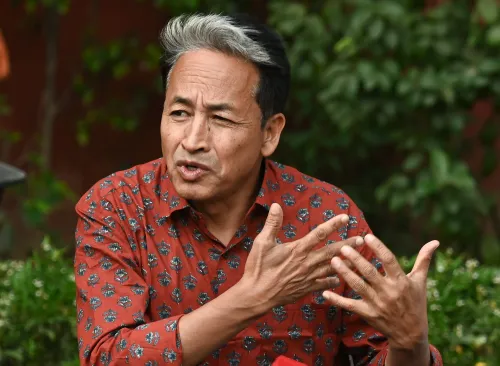
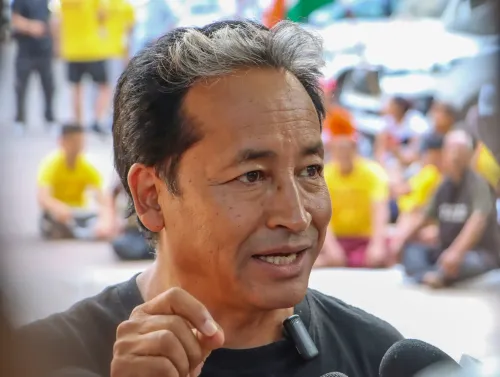
Sonam Wangchuk is the leading activist demanding Sixth Schedule constitutional status for Ladakh .
Ladakh has been a Union Territory without a legislature since August 2019 , governed directly by a Lieutenant Governor.
Key Ladakhi demands include Sixth Schedule protection, a dedicated Lok Sabha seat , and a public service commission .
The central government has held talks with Ladakhi delegations but has not granted Sixth Schedule status as of July 2026.
Opposition parliamentarians have periodically amplified Ladakhi demands, keeping centre-periphery tensions in the national conversation.
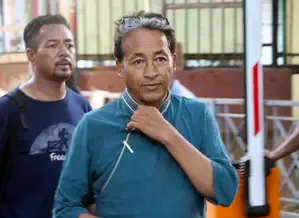
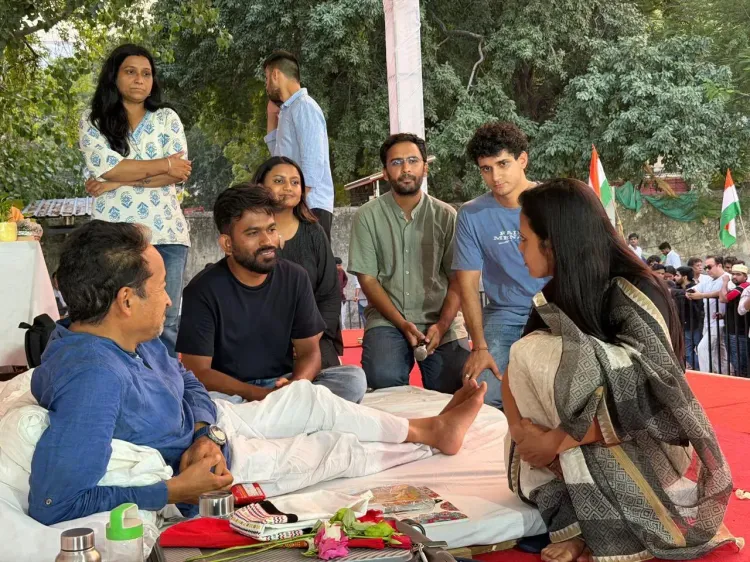
TMC MP Mahua Moitra on Friday, 3 July 2026, publicly expressed solidarity with Ladakhi activist Sonam Wangchuk, posting a brief but pointed message of support on X that signals continued opposition backing for Ladakh's demands for constitutional safeguards.
Context
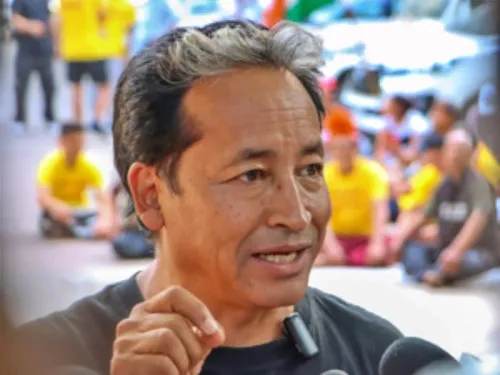
Sonam Wangchuk is a Ladakhi engineer, innovator and climate activist who has become the most prominent face of the campaign for enhanced autonomy for Ladakh. His core demands include inclusion of Ladakh under the Sixth Schedule of the Constitution, which would grant tribal communities greater protection over land, jobs and local governance. Wangchuk has undertaken hunger strikes and long marches to press these demands on the central government.
Moitra's post — 'In solidarity @Wangchuk66' — is spare but deliberate, publicly aligning herself and, by extension, the All India Trinamool Congress (TMC) with Wangchuk's ongoing campaign at a moment when Ladakhi civil society continues to await a formal government response.
Policy Backdrop
Ladakh was carved out as a Union Territory without a legislature in August 2019 following the reorganisation of Jammu and Kashmir and the abrogation of Article 370. Unlike Jammu and Kashmir, which received a legislature, Ladakh is governed directly by a Lieutenant Governor appointed by the Centre, leaving elected local bodies with limited powers.
Activists and residents argue this arrangement strips Ladakhis of meaningful self-governance and leaves land and employment unprotected from outside acquisition. The demand for Sixth Schedule status — which applies to tribal areas in several northeastern states — has become the central constitutional ask, alongside a dedicated Lok Sabha seat and a public service commission for the region.
The central government has held multiple rounds of talks with Ladakhi delegations but has not issued any formal notification granting Sixth Schedule status as of the date of this post.
Stakeholders and Impact
The primary stakeholders are Ladakh's roughly 2.74 lakh residents, who have watched the constitutional debate unfold for nearly seven years since reorganisation. Tribal communities, farmers and youth groups fear demographic change and loss of economic opportunities if land and job protections are not codified.
For the broader opposition, expressions of solidarity from parliamentarians like Moitra serve a dual function: keeping Ladakh's grievances in the national political conversation and building a coalition narrative around centre-periphery tensions in newly created Union Territories. Wangchuk himself has drawn cross-party attention, making him a figure whose cause transcends conventional party lines.
What's Next
Attention will now turn to whether Moitra's public solidarity translates into parliamentary action — questions in the Lok Sabha, a private member's bill, or coordinated opposition pressure during the upcoming session. Wangchuk's campaign has historically gained momentum when national political figures amplify his demands, raising the stakes for the central government to respond formally.
Any government notification on the Sixth Schedule extension or a legislative framework for Ladakh would mark a significant shift in the region's constitutional status and set a precedent for other Union Territories seeking greater autonomy.
Point of View
But its brevity should not obscure its intent. By publicly aligning with Wangchuk, she connects TMC to a cause that has broad tribal and civil-society resonance well beyond Ladakh's borders. The move fits a sustained opposition pattern of using Ladakh's unresolved constitutional status as evidence of what critics call the Centre's democratic deficit in newly reorganised territories. Whether this solidarity remains symbolic or escalates into coordinated parliamentary pressure will determine its actual weight in the policy debate.
NationPress
4 Jul 2026
Frequently Asked Questions
Why is Mahua Moitra supporting Sonam Wangchuk?
Mahua Moitra expressed solidarity with Sonam Wangchuk to back his campaign for constitutional safeguards for Ladakh, including Sixth Schedule status, which would protect land and job rights for the region's residents.
What is Sonam Wangchuk demanding for Ladakh?
Sonam Wangchuk is demanding inclusion of Ladakh under the Sixth Schedule of the Constitution, a dedicated Lok Sabha seat, and a public service commission to protect tribal communities from demographic and economic displacement.
What is the Sixth Schedule and why does Ladakh want it?
The Sixth Schedule is a constitutional provision that grants autonomous governance rights to tribal areas, primarily in northeastern India. Ladakhis want it to protect land ownership and employment from outsiders following the region's conversion to a Union Territory in 2019.
When did Ladakh become a Union Territory?
Ladakh became a Union Territory without a legislature in August 2019, after the central government reorganised Jammu and Kashmir and abrogated Article 370.
Has the central government agreed to Ladakh's Sixth Schedule demand?
As of July 2026, the central government has held multiple rounds of talks with Ladakhi delegations but has not issued any formal notification granting Sixth Schedule status to Ladakh.