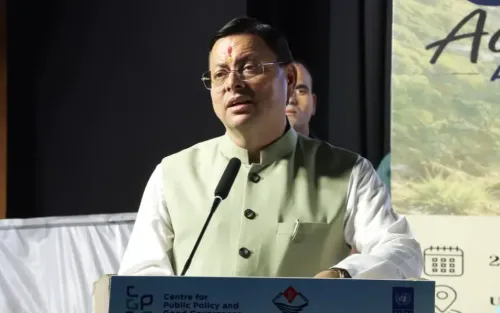
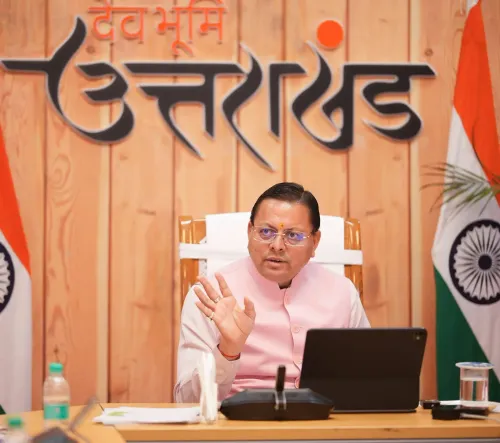
CM Dhami halts tree felling at Saat Mod in Uttarakhand
Synopsis
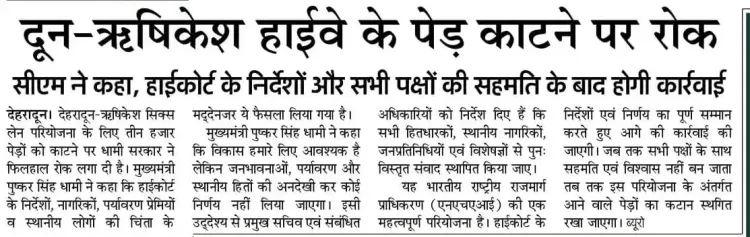
Chief Minister Pushkar Singh Dhami has imposed a temporary halt on tree felling at Saat Mod in Uttarakhand, stating the government's priority is to balance nature, development, and public sentiment. The move follows a recurring pattern of public opposition to tree cutting linked to infrastructure projects in the Himalayan state.
Key Takeaways
CM Pushkar Singh Dhami ordered an immediate temporary halt to tree felling at Saat Mod on 19 July 2026 .
The Chief Minister stated that balancing 'nature, development, and public sentiment' is the government's stated priority.
The stay is explicitly temporary ( filhal ), indicating a review is underway rather than a permanent cancellation.
Uttarakhand has a recurring history of public opposition to tree felling linked to road widening and infrastructure projects in the hills.
Local residents and environmental groups are the primary stakeholders who benefit from the pause.
The outcome of the government's site review will determine whether the halt is extended or operations eventually resume.
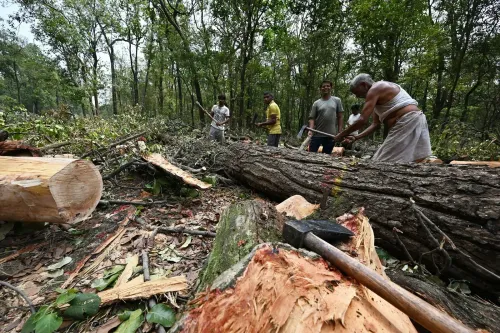
The Chief Minister's Office of Uttarakhand announced on Sunday, 19 July 2026 that Chief Minister Pushkar Singh Dhami has ordered an immediate temporary halt to tree felling at Saat Mod, a site in the Himalayan state where cutting of trees had drawn public attention and concern.
What the order says
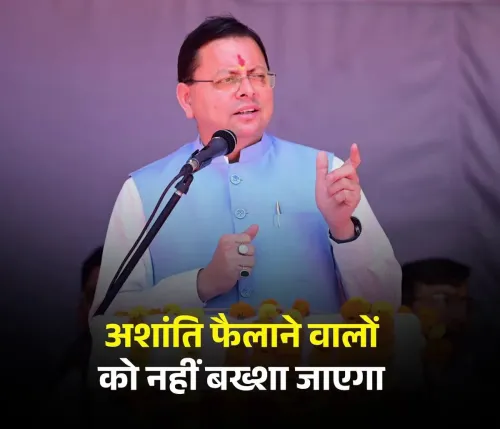
The Chief Minister's Office posted on X that Dhami has 'सात मोड़ पर पेड़ों के कटान पर फिलहाल रोक' (imposed a halt, for now, on the felling of trees at Saat Mod). Dhami stated that 'balancing nature, development, and public sentiment is the government's priority.' The use of the word filhal (for now) signals that the stay is temporary pending a review rather than a permanent cancellation of any underlying project.
Context
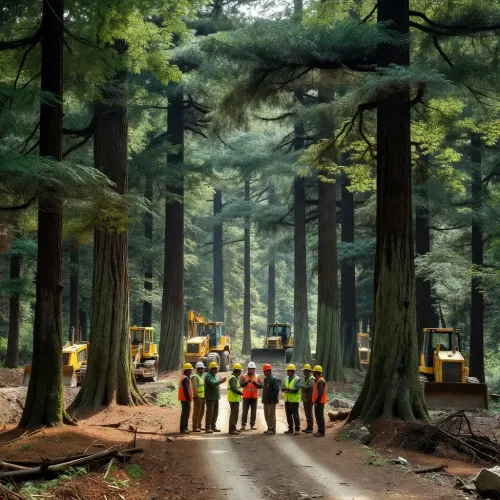
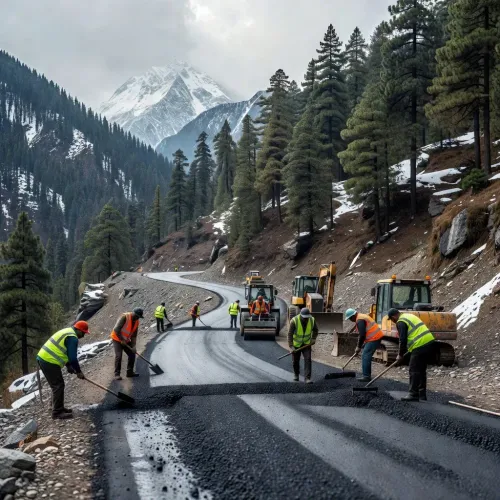
Tree felling linked to road widening, tunnel construction, and connectivity projects has repeatedly triggered public opposition across Uttarakhand. The state's fragile Himalayan ecology, dense forest cover, and active pilgrimage corridors make any large-scale vegetation removal a sensitive issue. Local residents and environmental groups have historically mobilised quickly when felling operations begin near habitations or ecologically significant zones.
Successive state governments have responded to such pressure by ordering temporary reviews or halts, while affirming that infrastructure development must continue. The pattern reflects a structural tension between the state's development ambitions — particularly in road and tourism infrastructure — and its obligations under forest conservation law and public sentiment.
Policy backdrop
Pushkar Singh Dhami has led the BJP-led Uttarakhand government since March 2021 and has positioned his administration as both pro-development and ecologically conscious. Uttarakhand's economy depends heavily on pilgrimage tourism, hydropower, and hill agriculture — all sectors sensitive to forest health and landslide risk. Any large-scale tree felling near road junctions or populated areas therefore carries both ecological and political weight.
Under Indian forest law, felling on forest land requires prior approval from the central government, while trees on revenue or roadside land fall under state jurisdiction. The specific regulatory category of the trees at Saat Mod will likely determine the procedural path the government takes during its review.
Stakeholders and impact
Local residents near Saat Mod and environmental groups active in Uttarakhand are the immediate stakeholders who stand to benefit from the temporary stay. For them, the halt offers a window to formally register objections or propose alternative alignments. Infrastructure agencies and contractors associated with the underlying project, on the other hand, face a pause that could affect timelines.
Broader civil society in the state has watched such interventions closely in the past, noting whether temporary halts eventually translate into revised project designs or are quietly lifted once public attention moves on.
What's next
The government is expected to conduct a site review at Saat Mod to assess whether the felling can be avoided through a revised alignment, compensatory plantation, or other mitigation measures. The outcome of that review will determine whether the stay is extended, the project redesigned, or operations eventually resumed. How the administration handles this episode will be watched as a signal of how CM Dhami intends to balance ecological commitments with the state's ongoing infrastructure push ahead of future electoral cycles.
Point of View
Accompanied by language that keeps both conservationists and infrastructure proponents nominally satisfied. The explicit use of filhal (for now) is significant — it signals that the government is managing optics rather than abandoning a project. For Dhami, who has sought to project a dual image as a development-oriented and ecologically sensitive leader, the episode is an opportunity to demonstrate responsiveness, but the real test will come when the review concludes and a final decision on the site is made.
NationPress
19 Jul 2026
Frequently Asked Questions
Why has CM Dhami halted tree felling at Saat Mod?
CM Pushkar Singh Dhami ordered a temporary halt to tree felling at Saat Mod citing the need to balance nature, development, and public sentiment, responding to concerns raised about the cutting of trees at the site.
Where is Saat Mod in Uttarakhand?
Saat Mod is a location in Uttarakhand referenced in the Chief Minister's order; its precise district or road corridor has not been officially specified in the announcement.
Is the tree felling ban at Saat Mod permanent?
No. The Chief Minister's Office used the word filhal , meaning 'for now,' indicating the halt is temporary and subject to a government review of the site.
What is the background of tree felling controversies in Uttarakhand?
Uttarakhand has repeatedly seen public opposition to tree felling linked to road widening and infrastructure projects in its Himalayan terrain, with successive governments ordering reviews when protests intensify.
What happens next after the Saat Mod tree felling halt?
The government is expected to review the site and may consider a revised project alignment, compensatory plantation, or other mitigation measures before deciding whether to lift or extend the stay.