CM Dhami Holds Public Grievance Meet at Khatima Helipad
Synopsis
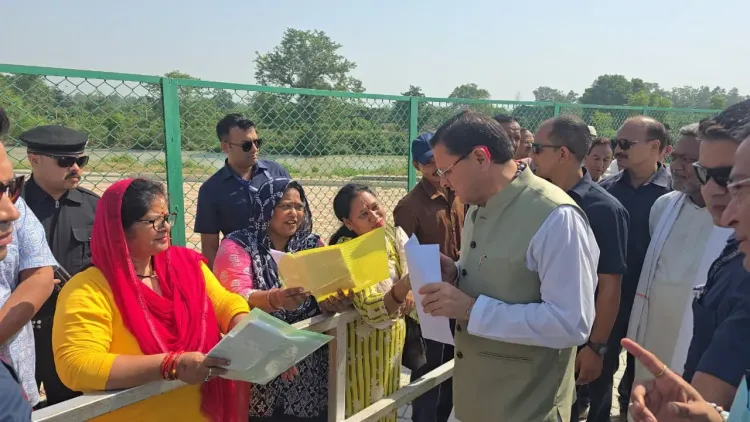
Uttarakhand Chief Minister Pushkar Singh Dhami met residents and public representatives at Lohiyahead Helipad in Khatima on 27 May 2026, listening to local grievances and directing district officials to ensure swift, rule-bound resolution of all issues raised.
Key Takeaways
Chief Minister Pushkar Singh Dhami held a public grievance interaction at Lohiyahead Helipad, Khatima on 27 May 2026 .
Local residents and elected public representatives attended the meeting and presented their problems directly to the CM.
Khatima is located in Udham Singh Nagar district , Uttarakhand, near the Uttar Pradesh border.
Dhami directed concerned officials to resolve all grievances 'quickly and in accordance with rules' ( tvrit evam niyamanusaar ).
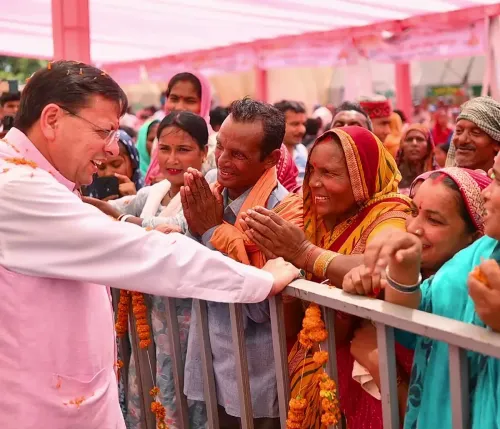
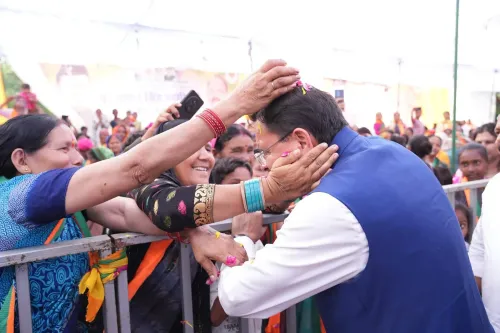
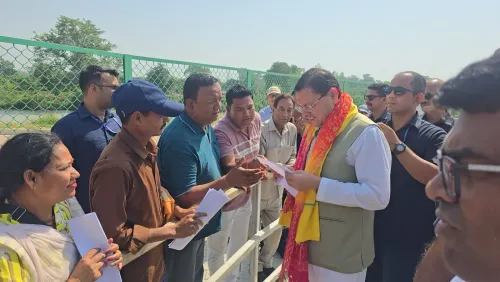
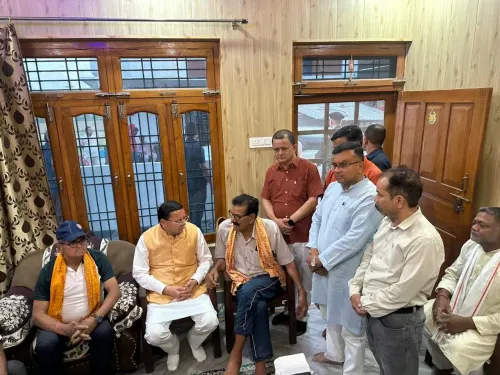
The Chief Minister shared four images from the interaction on his official X account.
District-level follow-up on official orders and redressal reports will be the key indicator of outcomes from this meeting.
Uttarakhand Chief Minister Pushkar Singh Dhami met with local residents and public representatives at the Lohiyahead Helipad in Khatima on Wednesday, 27 May 2026, listening to their grievances firsthand and directing officials to resolve all issues swiftly and in accordance with established rules.
Context
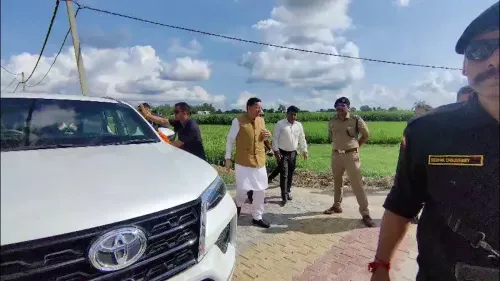
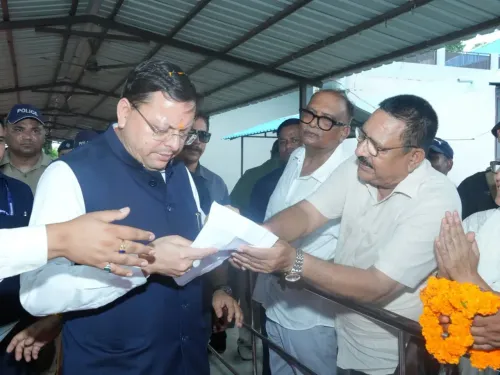
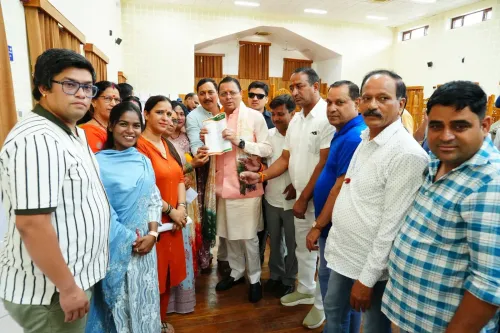
Posting on X, Chief Minister Dhami stated: 'Lohiyahead helipad, Khatima par kshetriya janta evam janpratinidhiyon ne bhent kar apni samasyaon se avgat karaya' — 'At Lohiyahead Helipad, Khatima, local residents and public representatives met and apprised me of their problems.' He added that he had directed the concerned officials to ensure quick and rule-bound resolution of all the issues raised.
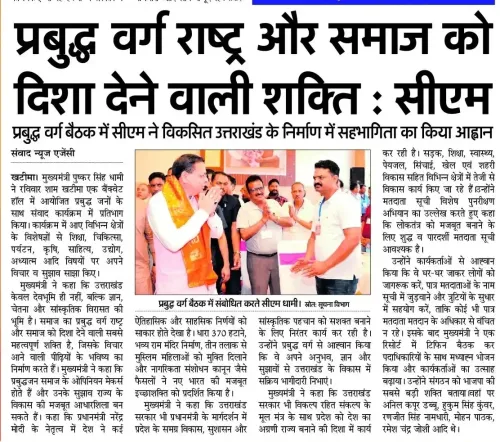
The Chief Minister shared four images from the interaction, showing him engaging with constituents and local representatives at the helipad site. Khatima is a town in Udham Singh Nagar district in the Terai region of Uttarakhand, situated close to the Uttar Pradesh border.
Policy Backdrop
Public grievance outreach through accessible venues such as helipads is a recurring feature of governance in Uttarakhand, where difficult terrain often limits citizens' access to district administrative offices. Chief ministers of the state have historically used such field visits to both hill and plains districts to bridge the gap between residents and government machinery.
The practice aligns with the broader emphasis in the state on direct, on-ground administration — particularly in border districts and remote areas where formal grievance channels can be slow. By directing officials on the spot, the Chief Minister signals administrative accountability at the district level.
Stakeholders and Impact
The primary beneficiaries of such interactions are local residents of Khatima and surrounding areas in Udham Singh Nagar district, who brought forward civic and administrative complaints directly to the Chief Minister. Public representatives — including local elected officials — also participated, amplifying constituency-level concerns.
District-level officials have been explicitly instructed to act on the grievances raised, placing accountability squarely on the local administration. For residents, such direct access to the Chief Minister is often seen as a faster route to resolution than formal complaint mechanisms.
What's Next
The key measure of this interaction's impact will be district-level follow-through: whether the concerned officials issue formal orders or redressal reports in the days following the meeting. Such field visits typically generate a list of pending issues that are then tracked through the state's administrative machinery.
Further visits to other districts in Uttarakhand — both in the hills and the plains — are likely as part of the Chief Minister's ongoing outreach calendar, with the approach serving as a visible governance tool ahead of local administrative cycles.
Point of View
On-ground accessibility — particularly in Terai and border districts that can feel administratively distant from the state capital Dehradun. By directing officials publicly and on the record via social media, the CM layers political messaging onto administrative action, reinforcing an image of responsive leadership. The approach also serves a strategic function in Udham Singh Nagar, a politically significant district in Uttarakhand's plains belt. Whether such interactions translate into measurable redressal will depend on the follow-up culture within the district administration.
NationPress
11 Oct 2026
Frequently Asked Questions
Why did CM Dhami visit Khatima helipad on 27 May 2026?
Chief Minister Pushkar Singh Dhami visited Lohiyahead Helipad in Khatima to meet local residents and public representatives and hear their grievances directly, instructing officials to resolve all issues swiftly and as per rules.
Where is Khatima located in Uttarakhand?
Khatima is a town in Udham Singh Nagar district in the Terai region of Uttarakhand, situated near the border with Uttar Pradesh.
What is a helipad grievance meeting in Uttarakhand?
Uttarakhand chief ministers periodically hold public outreach sessions at accessible locations such as helipads, allowing citizens and local representatives in both hill and plains districts to present administrative complaints directly to the Chief Minister.
What action did CM Dhami take after the Khatima meeting?
CM Dhami directed the concerned district officials to ensure quick and rule-bound resolution of all the problems raised by residents and public representatives at the Khatima meeting.
What is the significance of Udham Singh Nagar district in Uttarakhand politics?
Udham Singh Nagar is one of Uttarakhand's most populous and economically active districts, located in the Terai plains, and holds considerable political weight due to its large electorate and diverse demographic composition.