CM Dhami Highlights Jauljibi Mela as Symbol of India-Nepal Ties
Synopsis
Chief Minister Pushkar Singh Dhami highlighted the Jauljibi Mela in Pithoragarh as a historic symbol of India-Nepal friendship, linking the cross-border fair to PM Modi's broader push for connectivity, cooperation, and cultural exchange with Nepal under the Neighbourhood First policy.
Key Takeaways
CM Pushkar Dhami cited the Jauljibi Mela as a long-standing platform for India-Nepal people-to-people ties.
The mela is held annually in Pithoragarh district at the confluence of the Kali and Gori rivers on the India-Nepal frontier.
Dhami linked the fair to PM Modi's broader framework of connectivity, cooperation, and cultural exchange with Nepal.
India's Neighbourhood First policy treats Nepal as a core bilateral priority, with the 1950 Treaty of Peace and Friendship as its foundational document.
PM Modi's first foreign visit after taking office in 2014 was to Nepal, signalling the relationship's strategic importance.
Uttarakhand's border districts serve as active nodes of informal diplomacy through seasonal fairs and cross-border trade.
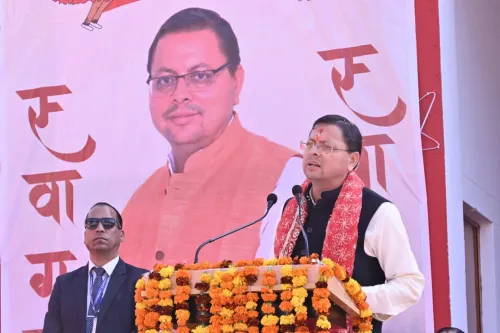
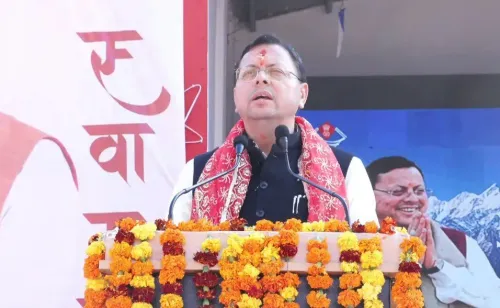
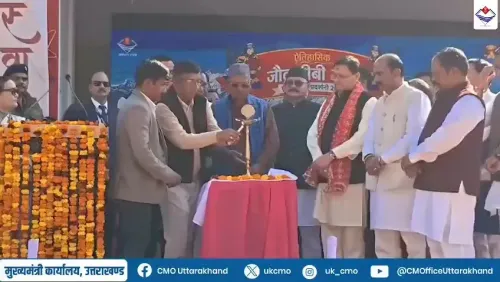
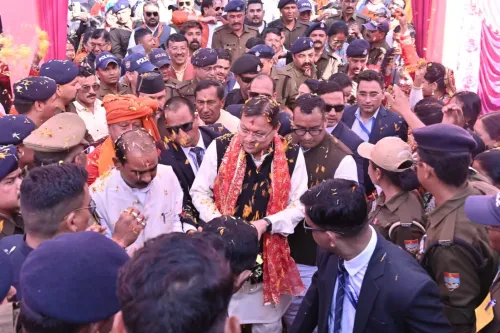
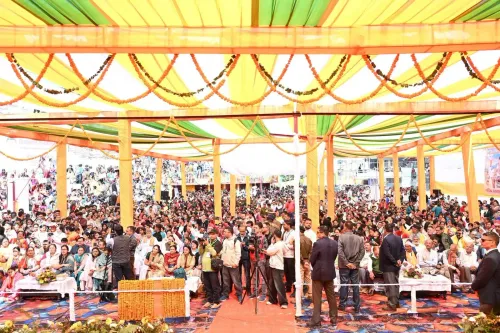
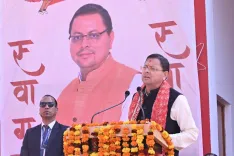
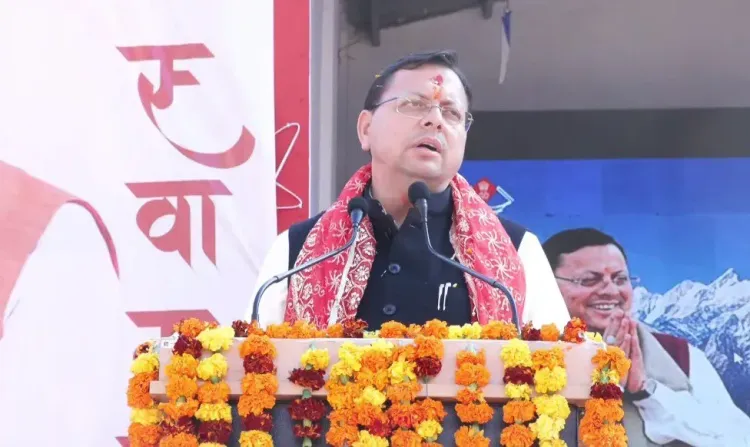
At the India-Nepal frontier in Pithoragarh district, Uttarakhand, an ancient fair is doing quiet diplomatic work that no summit communiqué can fully replicate. Chief Minister Pushkar Singh Dhami invoked the Jauljibi Mela on Saturday, November 14, calling it a living thread of friendship between two nations that share far more than a border.
Quoting CM Dhami, the Chief Minister's Office of Uttarakhand posted: 'Aaj aadaraniya Pradhanmantri Shri Narendra Modi ji ke netritva mein Bharat aur Nepal ke beech sampark, sahyog aur sanskritik aadan-pradan ko aage badhane ke prayas kiye ja rahe hain.' — 'Today, under the leadership of respected Prime Minister Shri Narendra Modi, efforts are being made to advance connectivity, cooperation, and cultural exchange between India and Nepal. This historic Jauljibi Mela has, for years, been strengthening friendship and warmth between the people of both countries.'
A Fair That Predates Modern Diplomacy
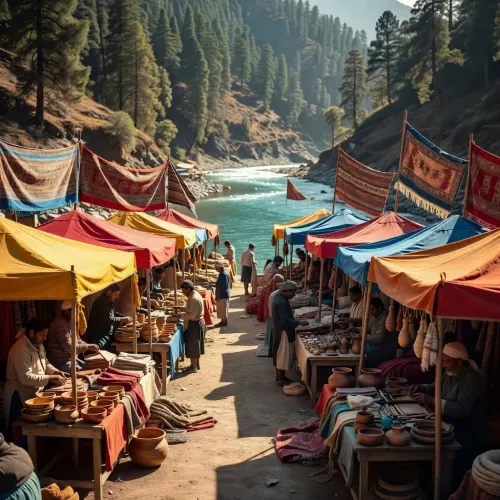
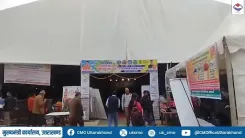
The Jauljibi Mela, held annually at the confluence of the Kali and Gori rivers in Pithoragarh, is one of Uttarakhand's oldest cross-border gatherings. Traders, pilgrims, and artisans from both the Indian and Nepali sides of the open frontier have converged here for generations — long before bilateral treaties gave formal shape to the relationship. The fair functions as an informal marketplace and a cultural handshake rolled into one.
This people-to-people continuity sits at the heart of India's Neighbourhood First policy. The 1950 Treaty of Peace and Friendship between India and Nepal established the open-border framework that makes such exchanges possible, and successive governments have treated Nepal as a cornerstone of regional diplomacy. When Prime Minister Narendra Modi made Nepal his first foreign destination after taking office in 2014, it was a deliberate signal — one that Dhami's remarks now echo at the state level.
Uttarakhand's Border Districts as Diplomatic Ground
CM Dhami, in office since 2021, has consistently framed Uttarakhand's border districts not as peripheral zones but as active nodes of bilateral engagement. Pithoragarh shares a long stretch of the frontier with Nepal, and seasonal fairs like Jauljibi give border communities a channel for trade and cultural contact that formal infrastructure projects alone cannot provide.
The broader pattern is deliberate: India has long used local traditions as soft-power instruments, layering them onto harder connectivity investments — roads, bridges, power links — to keep the relationship warm at every level, not just at the level of state visits and signed agreements.
As the Jauljibi Mela draws visitors from both sides of the Kali river once again, the message from Dehradun is clear — the oldest diplomacy is the kind that happens between neighbours sharing a market stall. No visa required.
Point of View
Uttarakhand positions itself not just as a border state but as an active participant in shaping India's Nepal policy. The move also serves a domestic purpose: elevating Pithoragarh and other frontier districts as zones of strategic importance rather than neglected peripheries. Watch whether the mela becomes a platform for any formal announcements on border trade facilitation or cultural programming in the next cycle.
NationPress
15 Nov 2026
Frequently Asked Questions
What is the Jauljibi Mela and where is it held?
The Jauljibi Mela is an annual cross-border fair held in Pithoragarh district of Uttarakhand at the confluence of the Kali and Gori rivers on the India-Nepal frontier. It brings together traders, pilgrims, and artisans from both countries and is one of the region's oldest cultural gatherings.
What did CM Pushkar Dhami say about the Jauljibi Mela?
CM Dhami stated that the Jauljibi Mela has for years been strengthening friendship and warmth between the people of India and Nepal, and linked it to PM Modi's efforts to advance connectivity, cooperation, and cultural exchange between the two countries.
What is India's Neighbourhood First policy and how does Nepal fit in?
India's Neighbourhood First policy prioritises close ties with immediate neighbours, with Nepal as a cornerstone. The relationship is underpinned by the 1950 Treaty of Peace and Friendship , which established an open border and a framework for deep bilateral cooperation.
Why was PM Modi's first foreign visit to Nepal significant?
When PM Modi chose Nepal as his first foreign destination after taking office in 2014 , it was a deliberate diplomatic signal that India intended to reinvigorate its relationship with Kathmandu, focusing on connectivity, cultural links, and people-to-people ties.
How does Uttarakhand contribute to India-Nepal relations?
Uttarakhand shares a long open border with Nepal, and its frontier districts — especially Pithoragarh — host seasonal fairs and cross-border trade that sustain informal people-to-people ties alongside formal diplomatic and infrastructure engagement.