CM Dhami Highlights Unprecedented Growth in Uttarakhand
Synopsis
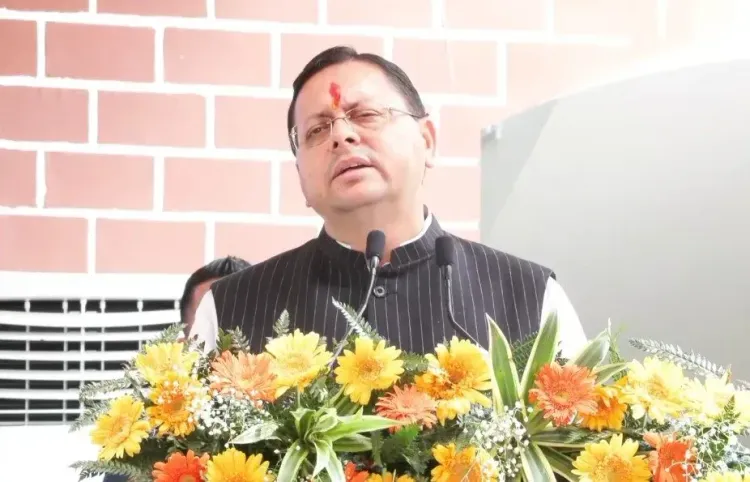
Chief Minister Pushkar Dhami on 11 July 2026 declared that Uttarakhand is undergoing unprecedented transformation across roads, tourism, industry, and air connectivity, with the remarks shared by the official Chief Minister's Office account on X.
Key Takeaways
CM Pushkar Dhami cited transformation across roads, tourism, industry, and air connectivity in Uttarakhand as of 11 July 2026 .
The Char Dham Pariyojana , launched in 2016 , has been the flagship central scheme for all-weather road access to the state's four major pilgrimage shrines.
The UDAN regional connectivity scheme (2017) expanded flight services to Jolly Grant and Pantnagar airports, improving air access to the state.
Key beneficiaries include hill residents , tour operators , and industrial investors who have faced logistical barriers in the Himalayan state.
The remarks signal an attempt to reposition Uttarakhand as a multi-sector investment destination beyond seasonal pilgrimage tourism.
State assembly budget sessions and new corridor or tourism-policy announcements will be the next indicators of progress.
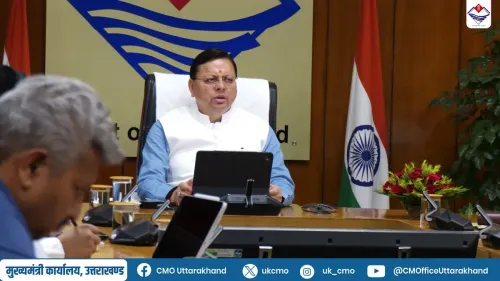
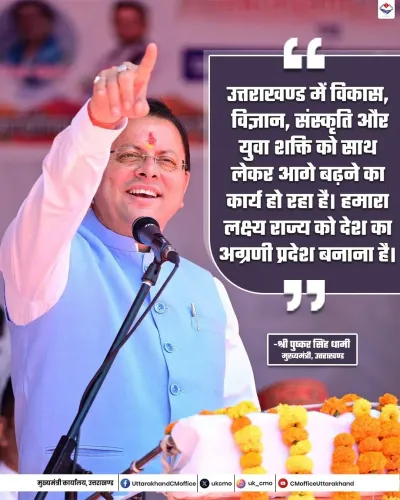
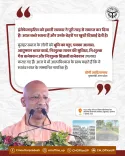
The Chief Minister's Office of Uttarakhand, on Saturday, 11 July 2026, shared remarks by Chief Minister Pushkar Singh Dhami pointing to sweeping development across the state — spanning roads, tourism, industry, and air connectivity — calling the transformation 'unprecedented.'
In the post, CM Dhami was quoted in Hindi: 'Aaj Uttarakhand mein sadak, paryatan, udyog, hawai connectivity samete har kshetra mein abhootpoorva parivartan dikhai de raha hai' — ('Today, unprecedented transformation is visible in Uttarakhand across every sector, including roads, tourism, industry, and air connectivity.')
Context
Uttarakhand, the Himalayan state carved out of Uttar Pradesh in 2000, has historically faced acute geographic challenges — seasonal road closures, limited industrial activity, and thin air-connectivity — that have constrained its economic potential despite rich pilgrimage and tourism assets. The state's development narrative has long been tied to its ability to keep mountain routes open and attract visitors to destinations like Kedarnath, Badrinath, Gangotri, and Yamunotri. CM Dhami's remarks frame the current period as a decisive break from that pattern of constraint.
Policy Backdrop
The Union government's Char Dham Pariyojana, announced in 2016, set out to provide all-weather road connectivity to the four major pilgrimage shrines in the state — a project that became a centrepiece of infrastructure investment in difficult Himalayan terrain. Separately, the UDAN regional connectivity scheme, launched in 2017, opened new flight routes to airports including Jolly Grant (near Dehradun) and Pantnagar, gradually reducing the state's dependence on road travel for inter-city movement. These central schemes have provided the framework within which successive state governments have built their development messaging.
State-level infrastructure expansion in Uttarakhand is part of a broader national push — active since 2014 — to build road and aviation capacity in geographically challenging regions. Industrial estates and corridor development have also been pursued to diversify the state economy beyond its heavy reliance on pilgrimage tourism, which remains vulnerable to weather events and seasonal shutdowns.
Stakeholders and Impact
Hill residents stand to benefit most directly from improved road access, which reduces travel times to hospitals, markets, and administrative centres — a persistent grievance in remote districts. Tour operators and the hospitality sector gain from better connectivity, which extends the effective tourist season and reduces the unpredictability caused by landslides and road blockages. Industrial investors, who have historically been reluctant to commit capital in a state with logistical constraints, are among the key audiences CM Dhami's remarks appear to address.
Air connectivity improvements, in particular, have opened Uttarakhand to business travellers and high-value tourists who previously had limited options beyond road or rail from Delhi. The convergence of road, air, and industrial development signals an attempt to reposition the state as a multi-sector investment destination rather than a seasonal pilgrimage corridor.
What's Next
State assembly sessions reviewing highway and airport project budgets will be a key indicator of whether the broad claims of transformation are backed by specific allocations and timelines. Announcements on new industrial corridors or revisions to tourism policy — including adventure tourism and eco-tourism frameworks — could follow as the state government seeks to capitalise on the infrastructure narrative heading into the next budget cycle. Observers will watch for concrete project completion milestones and investment figures to substantiate the scale of change CM Dhami has described.
Point of View
Where development optics are closely tied to electoral credibility. The framing — bundling roads, air connectivity, tourism, and industry into a single narrative — is designed to signal convergence between central schemes and state execution, reinforcing the party's governance brand ahead of future electoral cycles. However, the absence of specific project completions or verified statistics in the post leaves the claim open to scrutiny from opposition benches and civil society groups tracking actual delivery on the ground. The real test will come when assembly budget sessions and audit reports either validate or complicate the transformation story Dhami is building.
NationPress
11 Jul 2026
Frequently Asked Questions
What did CM Pushkar Dhami say about Uttarakhand's development?
CM Pushkar Dhami stated that unprecedented transformation is visible in Uttarakhand today across every sector, including roads, tourism, industry, and air connectivity, as quoted by the Chief Minister's Office on 11 July 2026.
What is the Char Dham Pariyojana and how does it affect Uttarakhand?
The Char Dham Pariyojana is a central government road project announced in 2016 to provide all-weather highway connectivity to Uttarakhand's four major pilgrimage shrines — Kedarnath, Badrinath, Gangotri, and Yamunotri — reducing seasonal disruptions for pilgrims and locals.
Which airports in Uttarakhand have benefited from the UDAN scheme?
The UDAN regional connectivity scheme, launched in 2017, enabled new flight routes to Jolly Grant airport near Dehradun and Pantnagar airport, improving air access to the Himalayan state.
Who benefits from infrastructure development in Uttarakhand?
The primary beneficiaries are hill residents who gain better access to essential services, tour operators and the hospitality sector who see extended tourist seasons, and industrial investors who previously faced logistical barriers in the state.
What should we watch for next regarding Uttarakhand's infrastructure plans?
State assembly sessions reviewing highway and airport budgets, along with possible announcements on new industrial corridors or tourism policy revisions, will be the key indicators of how the government plans to follow through on CM Dhami's development claims.