CM Dhami holds legislator meet at Gairsain camp office
Synopsis
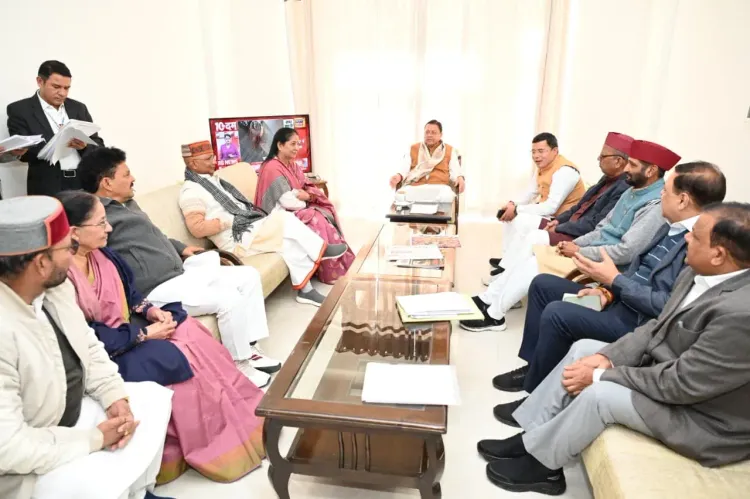
Uttarakhand Chief Minister Pushkar Singh Dhami convened eight BJP legislators at the Gairsain camp office on 27 October 2026, holding wide-ranging discussions on regional development, public welfare, and constituency-level grievances — reinforcing the hill town's role as an active governance node.
Key Takeaways
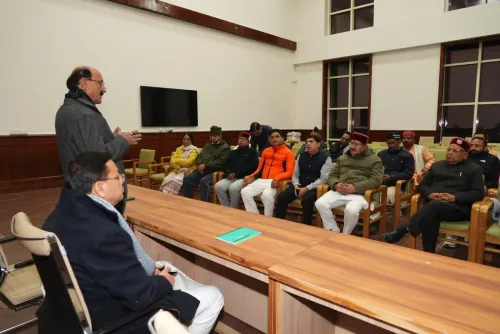
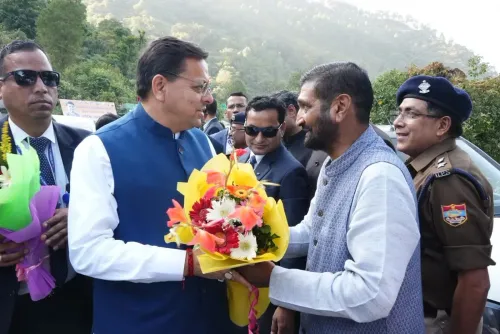
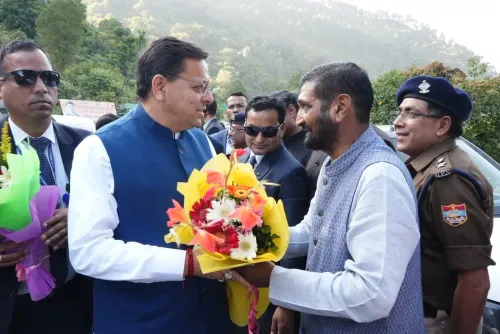
CM Pushkar Singh Dhami met eight ruling-party MLAs at the Bharaḍīsaiṇ (Gairsain) camp office on 27 October 2026 .
The meeting covered regional development priorities, public-interest matters, and resolution of people's problems, according to Dhami.
Attending MLAs included Smt.
Savita Kapoor, Suresh Garia, Anil Nautiyal, Fakir Tamta, Mahant Dilip Rawat, Pramod Nainwal, Bhupal Singh Tamta, and Smt.
Gairsain , located in the Himalayan highlands, has served as a symbolic hill administrative centre since Uttarakhand's formation in 2000 amid demands for governance closer to hill communities.
No specific project announcements were made public; follow-up decisions from the discussions remain to be announced.
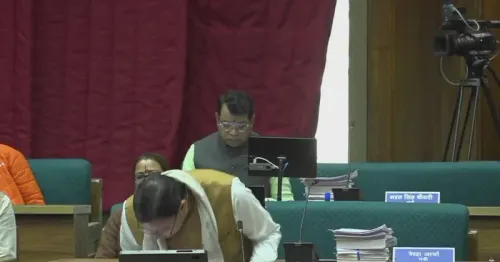
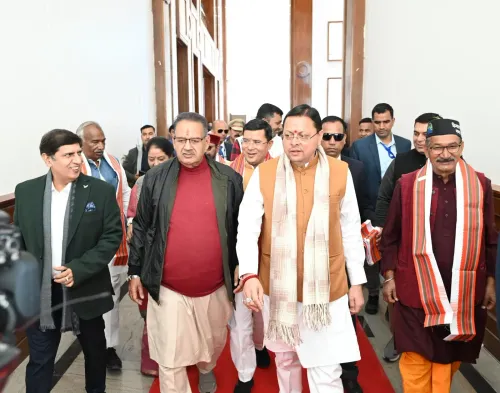
Eight BJP legislators from across Uttarakhand travelled to the hill town of Bharaḍīsaiṇ (Gairsain) on Tuesday, 27 October 2026, to meet Chief Minister Pushkar Singh Dhami at his camp office — a deliberate choice of venue that sends its own political signal about who the government is listening to.
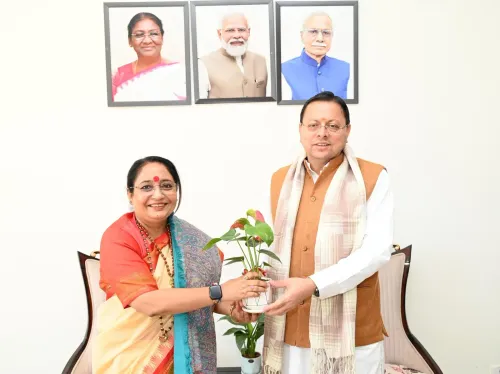
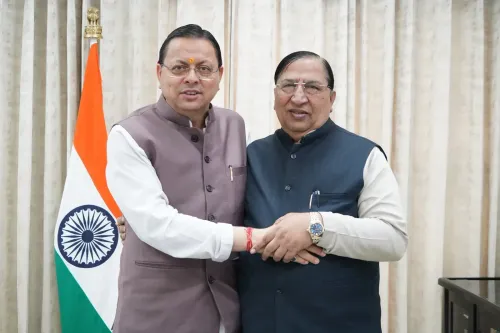
CM Dhami confirmed the meeting on X, writing that legislators called on him at the kaimp kāryālay (camp office) in Gairsain and that 'positive discussions took place on development in various regions, matters of public interest, and the resolution of people's problems.' The visiting MLAs were Smt. Savita Kapoor, Shri Suresh Garia, Shri Anil Nautiyal, Shri Fakir Tamta, Mahant Dilip Rawat, Shri Pramod Nainwal, Shri Bhupal Singh Tamta, and Smt. Renu Bisht.
Why Gairsain — and what the venue choice means
When Uttarakhand was carved out of Uttar Pradesh in 2000, Dehradun became its interim capital — a foothills city far from the remote Himalayan constituencies that define much of the state. Hill residents and political leaders have pressed ever since for a functional administrative presence in the highlands, with Gairsain, located in the Chamoli district at roughly 1,500 metres, emerging as the symbolic answer.
The Gairsain camp office is not a ceremonial gesture. By holding constituency-level consultations there rather than in Dehradun, the Dhami government signals that governance decisions — or at least the conversations that shape them — can travel uphill. For MLAs representing interior hill districts, the setting shortens the metaphorical distance between their voters and the Chief Minister's ear.
Eight voices, one table: the MLAs in the room
The eight legislators represent a cross-section of the BJP's legislative strength in the state. The list includes both men and women, reflecting the breadth of constituencies feeding concerns into Tuesday's session. While the specific outcomes of the discussions were not detailed — Dhami's post described the tone as 'positive' — the agenda spanned regional development priorities and on-the-ground public grievances that MLAs carry from their constituencies to the capital.
Such structured CM-MLA interactions are a recurring feature of the Uttarakhand BJP's legislative management, keeping party legislators aligned while giving the Chief Minister a direct read of ground-level conditions before any formal policy or budget cycle decisions.
The next test is whether Tuesday's conversations produce concrete project announcements or administrative follow-through for the hill districts — which is exactly what voters in those constituencies will be watching for.
Point of View
Dhami reinforces the BJP's pitch to hill voters that their concerns receive direct administrative attention. It continues a post-2000 pattern in which successive Uttarakhand governments have used Gairsain as a symbolic counterweight to Dehradun's dominance. With assembly elections on the horizon, structured legislator outreach at the hill venue also serves an internal party-management function, keeping MLAs from remote constituencies invested in the government's agenda. The real gauge of impact will be whether specific development commitments follow these discussions into budget allocations.
NationPress
27 Oct 2026
Frequently Asked Questions
Why did CM Dhami hold the MLA meeting in Gairsain and not Dehradun?
Gairsain serves as Uttarakhand's hill camp office and is used to signal administrative attention to Himalayan districts that feel distant from the Dehradun capital. Holding meetings there is a deliberate governance and political choice by the Dhami government.
Which MLAs met CM Pushkar Singh Dhami at Gairsain on 27 October 2026?
Eight legislators attended: Smt. Savita Kapoor, Shri Suresh Garia, Shri Anil Nautiyal, Shri Fakir Tamta, Mahant Dilip Rawat, Shri Pramod Nainwal, Shri Bhupal Singh Tamta, and Smt. Renu Bisht.
What is the significance of Gairsain (Bharadisain) in Uttarakhand politics?
Gairsain has been at the centre of demands for a hill-based capital since Uttarakhand was formed in 2000 with Dehradun as its interim capital. It hosts a government camp office and legislative sessions as a compromise to address the concerns of hill-district residents.
What issues were discussed at the Gairsain CM-MLA meeting?
According to CM Dhami's post, discussions covered development across various regions, matters of public interest, and the resolution of people's problems. Specific project outcomes were not disclosed.
Who is Pushkar Singh Dhami?
Pushkar Singh Dhami is the Chief Minister of Uttarakhand and a BJP leader who has held the post since 2021, with a focus on state development and administrative outreach to hill districts.