CM Dhami Hosts Samvidhan Hatya Diwas in Dehradun
Synopsis
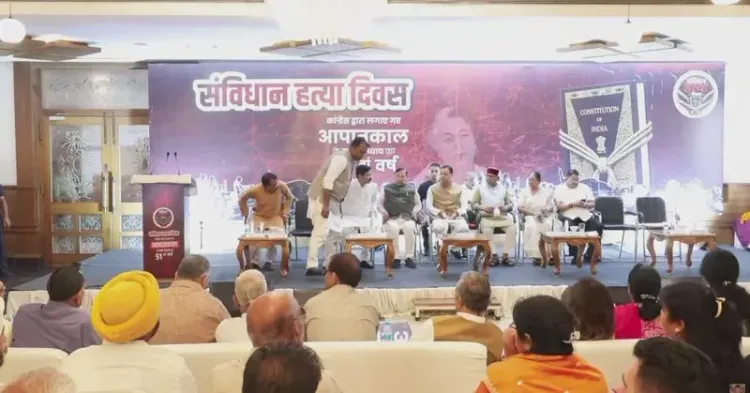
Uttarakhand Chief Minister Pushkar Singh Dhami live-streamed the state's 'Samvidhan Hatya Diwas' programme from Dehradun on 25 June 2026, marking 51 years since Indira Gandhi's government declared the national Emergency and suspended fundamental rights across India.
Key Takeaways
Uttarakhand CM Pushkar Singh Dhami hosted a formal state-level Samvidhan Hatya Diwas programme in Dehradun on 25 June 2026 .
The event marks the 51st anniversary of the 25 June 1975 Emergency declaration under then PM Indira Gandhi .
The 21-month Emergency suspended fundamental rights, imposed press censorship, and enabled mass detentions under the Maintenance of Internal Security Act.
The BJP has institutionalised annual 25 June commemorations in its-governed states, framing the period as an attack on constitutional democracy.
The programme was broadcast live, extending its reach to a statewide and national digital audience.
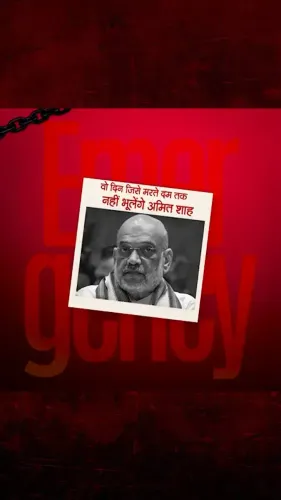
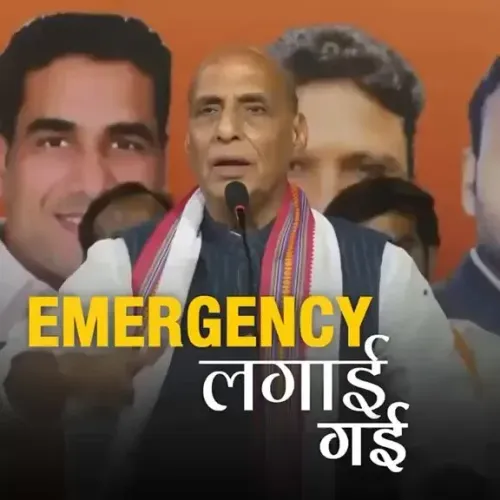
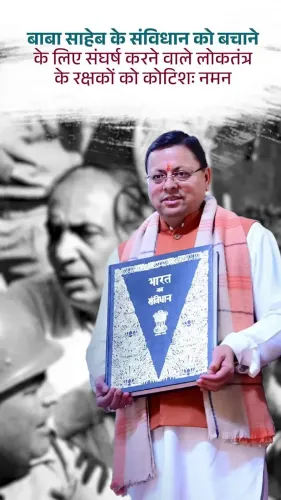
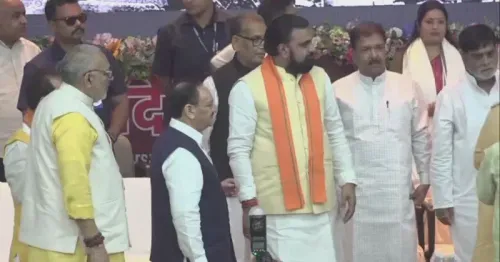
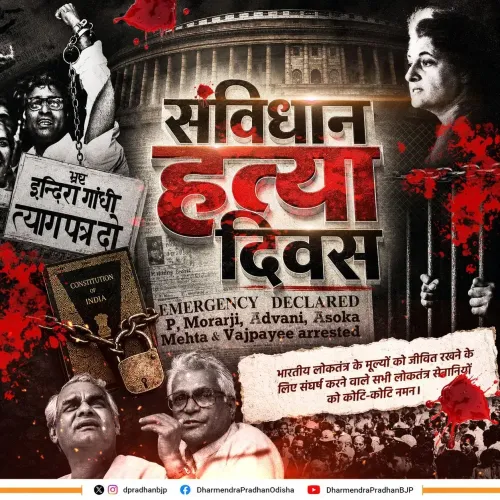
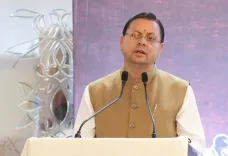
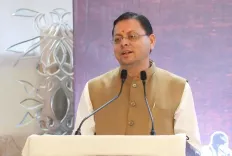
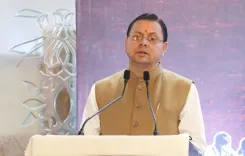
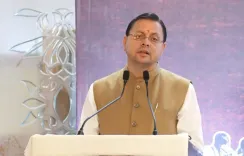
Uttarakhand Chief Minister Pushkar Singh Dhami on Thursday, 25 June 2026 live-streamed a state-organised programme marking 'Samvidhan Hatya Diwas' — Constitution Murder Day — from Dehradun, commemorating the 51st anniversary of the declaration of the national Emergency on 25 June 1975.
Context
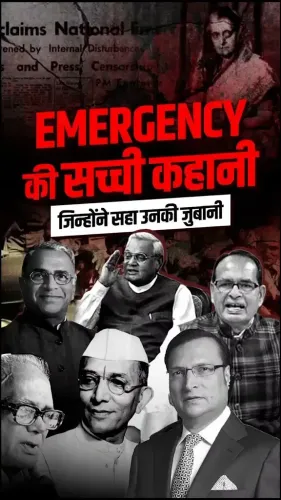
On 25 June 1975, the government of then Prime Minister Indira Gandhi invoked Article 352 of the Constitution to declare a national Emergency, suspending fundamental rights across India. The 21-month Emergency — which lasted until March 1977 — was marked by press censorship, mass detentions under the Maintenance of Internal Security Act, and the curtailment of civil liberties. The Bharatiya Janata Party and its predecessor organisations have long described this period as an assault on constitutional democracy.
Chief Minister Dhami's post, shared with the hashtag #SamvidhanHatyaDiwas (Constitution Murder Day), linked to a live broadcast of the Dehradun event, signalling a formal state-level commemoration rather than a purely party-level one.
Policy Backdrop
The BJP has institutionalised the practice of marking 25 June as Samvidhan Hatya Diwas in states where it holds power, framing the Emergency anniversary as a reminder of what the party describes as the Congress party's authoritarian legacy. State governments in BJP-ruled states have organised public programmes, seminars, and exhibitions on this date in recent years.
The commemoration in Uttarakhand fits into a broader national messaging exercise by the ruling party at the Centre, which positions itself as the defender of democratic and constitutional norms. The live-streaming format extends the programme's reach beyond Dehradun to a statewide and national digital audience.
Stakeholders and Impact
The event directly engages political parties, civil society groups, and citizens interested in constitutional history. For the BJP, such commemorations serve as a recurring contrast point with the Indian National Congress, which has historically defended the Emergency declaration as a response to political instability of that era.
Opposition parties typically counter that invoking the Emergency anniversary is a political tool rather than a genuine constitutional exercise. Citizens and historians, meanwhile, continue to debate the Emergency's long-term impact on India's democratic institutions and the judiciary.
What's Next
Similar Samvidhan Hatya Diwas programmes are expected to be held across other BJP-governed states on this date, consistent with the party's annual pattern. Statements or resolutions from the event in Dehradun may feed into parliamentary or state assembly discussions in the sessions ahead. The commemoration is also likely to prompt responses from opposition parties, keeping the Emergency's legacy in the political conversation through the coming weeks.
Point of View
The BJP lends the commemoration institutional weight, blurring the line between state commemoration and partisan messaging. The live-streaming format reflects a deliberate attempt to reach younger voters with no personal memory of the Emergency, converting a historical grievance into contemporary political capital. The annual repetition across BJP-governed states suggests the Emergency narrative will remain a durable mobilisation tool, particularly in election cycles.
NationPress
25 Jun 2026
Frequently Asked Questions
What is Samvidhan Hatya Diwas?
Samvidhan Hatya Diwas, meaning 'Constitution Murder Day', is a commemoration observed by the BJP and BJP-governed state governments on 25 June each year to mark the anniversary of the 1975 Emergency declared by Prime Minister Indira Gandhi, which suspended fundamental rights and civil liberties for 21 months .
Why did Pushkar Singh Dhami organise this event?
As Uttarakhand Chief Minister and a senior BJP leader, Dhami organised the Dehradun programme as part of the party's institutionalised practice of marking the Emergency anniversary at the state level, framing the period as an assault on constitutional democracy.
What happened during the 1975 Emergency in India?
On 25 June 1975 , Prime Minister Indira Gandhi invoked Article 352 to declare a national Emergency, suspending fundamental rights, imposing press censorship, and authorising mass detentions under the Maintenance of Internal Security Act. The Emergency lasted until March 1977 .
Which party imposed the 1975 Emergency?
The national Emergency of 1975-77 was declared by the government of the Indian National Congress under Prime Minister Indira Gandhi .
Where was the Samvidhan Hatya Diwas 2026 programme held?
The programme was held in Dehradun , the capital of Uttarakhand , and was live-streamed by Chief Minister Pushkar Singh Dhami on 25 June 2026 .