CM Dhami Inspects Sharda River Flood Works in Tanakpur
Synopsis
Uttarakhand Chief Minister Pushkar Singh Dhami visited Tanakpur on 5 July 2026 to inspect flood protection works on the Sharda River in Champawat district, reviewing embankment arrangements and meeting residents ahead of the peak monsoon season.
Key Takeaways
Chief Minister Pushkar Singh Dhami conducted an on-site inspection of flood protection works on the Sharda River in Tanakpur, Champawat on 5 July 2026 .
The visit focused on reviewing the status of flood-control and embankment arrangements ahead of peak monsoon discharge.
Champawat district borders Nepal along the Mahakali-Sharda corridor, a zone of recurring flood vulnerability.
Uttarakhand has maintained an expanded flood mitigation framework since the 2013 disaster, with border-district rivers as a priority.
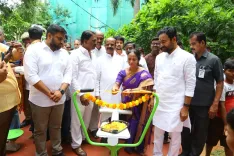
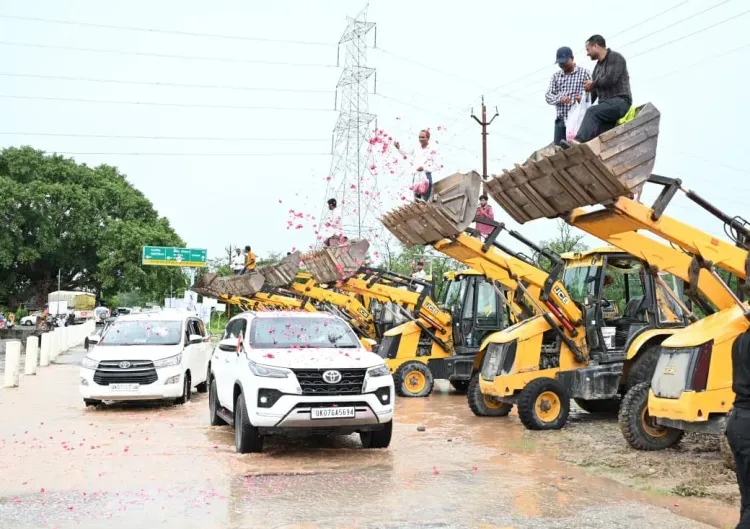
Local residents and youth welcomed the Chief Minister warmly during the field visit.
Completion of ongoing Sharda embankment works and future budget allocations for Champawat remain key items to watch.
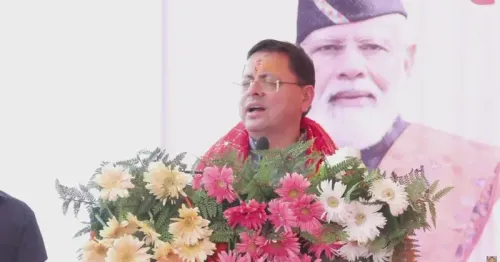
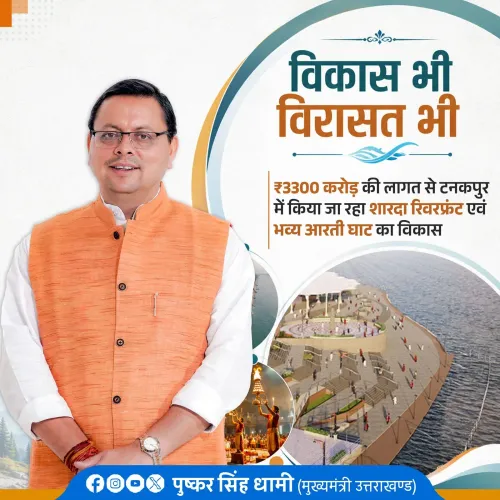
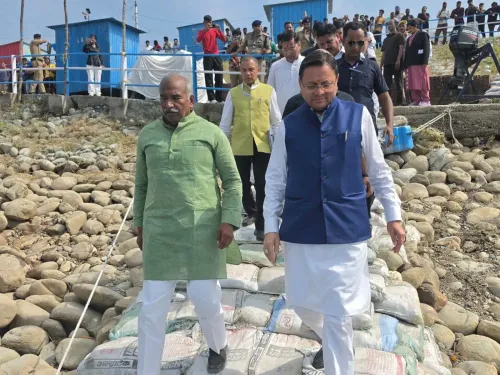
Uttarakhand Chief Minister Pushkar Singh Dhami on Sunday, 5 July 2026, conducted an on-site inspection of flood protection works underway along the Sharda River in Tanakpur, Champawat district, reviewing the state of preparedness ahead of the peak monsoon season.
Sharing his visit on social media, the Chief Minister noted that local youth and residents received him with warmth and affection. 'Devatulya janta' ['godlike public'], as he described them, greeted him with enthusiasm, and he expressed heartfelt gratitude to all those present.
Context
Tanakpur is a town in Champawat district situated close to the India-Nepal border along the Sharda River, also known as the Mahakali. The river is prone to annual flooding that threatens settlements on both sides of the border, making timely protective works critical before the monsoon intensifies each year.
The inspection covered flood-control and embankment operations currently being carried out on the Sharda. Chief Minister Dhami reviewed the arrangements in place and assessed the progress of protective infrastructure at the site.
Policy Backdrop
Uttarakhand expanded its river management and flood mitigation framework significantly after the 2013 Kedarnath disaster, with embankment and anti-erosion projects along border rivers — including the Sharda — receiving sustained attention under state disaster management plans and centrally funded schemes.
Champawat district has been a focus of flood-control investment since the mid-2010s, given its exposure to Himalayan river systems and its proximity to Nepal. River training works along the Mahakali-Sharda corridor also carry a cross-border dimension, as the river forms part of the India-Nepal boundary.
Stakeholders and Impact
Residents of Tanakpur and surrounding areas of Champawat are the primary beneficiaries of the flood protection works. Communities in the Terai and hill zones along the Sharda face recurring displacement and agricultural losses during high-discharge monsoon events, making embankment integrity a direct livelihood concern.
The Chief Minister's field visit signals continued high-level political attention to the district. Such inspections by senior officials typically accelerate on-ground coordination between state agencies and local administration in the lead-up to the most vulnerable monsoon months.
What's Next
The completion status of ongoing Sharda embankment works and any supplementary budget allocations for Champawat will be closely watched in the next state disaster preparedness review. With the monsoon at its active phase, authorities are expected to maintain heightened vigil along the river.
The Uttarakhand government's broader pattern of high-level reviews in border districts suggests further field assessments across other flood-vulnerable zones in the state are likely through the season.
Point of View
Combining project oversight with visible public engagement. The Sharda-Mahakali corridor carries strategic weight beyond domestic flood management — it is also a node of India-Nepal water relations — making senior-level attention politically and diplomatically significant. The visit reinforces the Uttarakhand BJP government's positioning on disaster preparedness as a governance credential in hill and Terai constituencies. Whether the inspection translates into accelerated work completion or fresh budget commitments will determine its substantive impact beyond the optics of the visit.
NationPress
5 Jul 2026
Frequently Asked Questions
Why did CM Dhami visit Tanakpur on 5 July 2026?
Chief Minister Pushkar Singh Dhami visited Tanakpur in Champawat district to conduct an on-site inspection of flood protection works being carried out on the Sharda River, reviewing preparedness ahead of the peak monsoon period.
What is the Sharda River and why is it prone to flooding?
The Sharda River, also called the Mahakali, originates in the Himalayas and forms part of the India-Nepal border. It carries heavy monsoon discharge from the mountains and has historically caused severe flooding in Champawat and adjoining Terai districts.
What flood protection works are underway on the Sharda River in Champawat?
The Uttarakhand government has been implementing embankment and river training works along the Sharda in Champawat district as part of the state's expanded post-2013 flood management framework. Specific scope and funding details of the works inspected on 5 July 2026 are subject to official disclosure.
How often does the Uttarakhand CM inspect flood infrastructure?
High-level inspections of flood and disaster infrastructure in border districts are a regular feature of the Uttarakhand government's pre-monsoon and in-monsoon calendar, typically aimed at coordinating state agencies and accelerating on-ground work.
What is the significance of Champawat district for flood management in Uttarakhand?
Champawat is a border district adjoining Nepal, exposed to Himalayan river systems including the Sharda-Mahakali. Its communities face recurring flood and erosion risks, and the corridor also carries cross-border water management significance between India and Nepal.