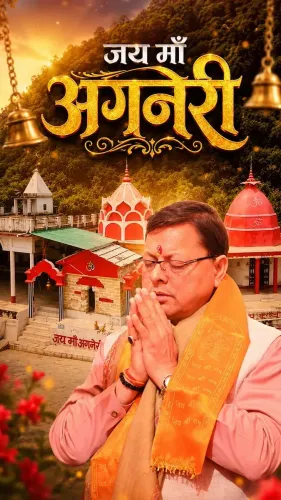
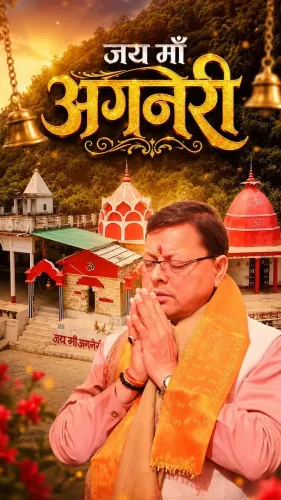
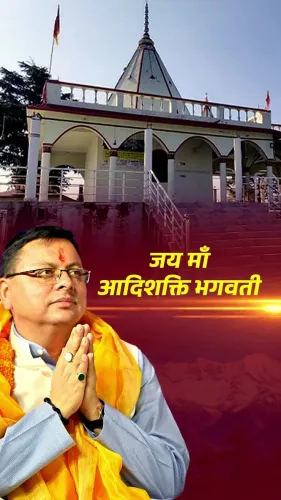
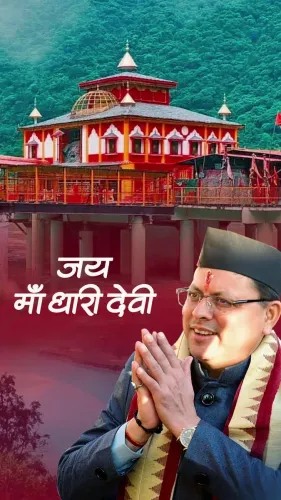
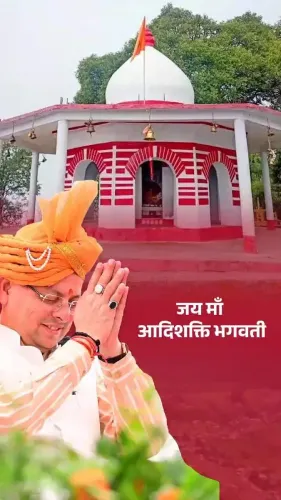
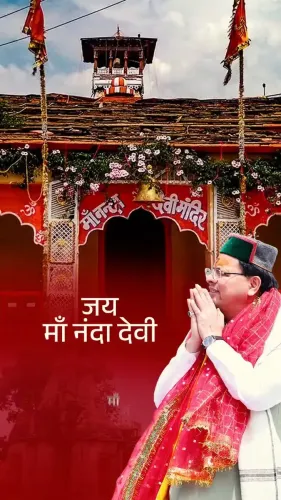
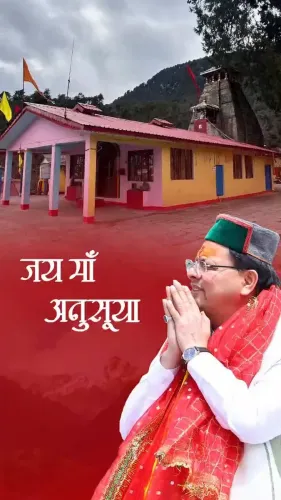
CM Dhami Invites Devotees to Maa Anasuya Devi Temple, Chamoli
Synopsis
Uttarakhand CM Pushkar Singh Dhami on 19 July 2026 highlighted the Maa Anasuya Devi Temple in Chamoli as a beacon of Sanatan culture and invited devotees to attend the grand Dattatreya Jayanti fair, reinforcing the state's Devbhoomi identity and religious tourism push.
Key Takeaways
CM Pushkar Singh Dhami posted on 19 July 2026 promoting the Maa Anasuya Devi Temple in Chamoli district .
The temple is described as an 'unmatched symbol of faith, penance, and Sanatan culture.' A grand fair is held at the temple annually on Dattatreya Jayanti , blending religious, cultural, and folk traditions.
Chamoli district lies in the Garhwal Himalayas and is a key node in Uttarakhand 's pilgrimage circuit.
Uttarakhand has promoted its Devbhoomi identity through religious tourism campaigns since the early 2000s.
Residents and the local tourism sector in Chamoli stand to benefit from increased pilgrim footfall.
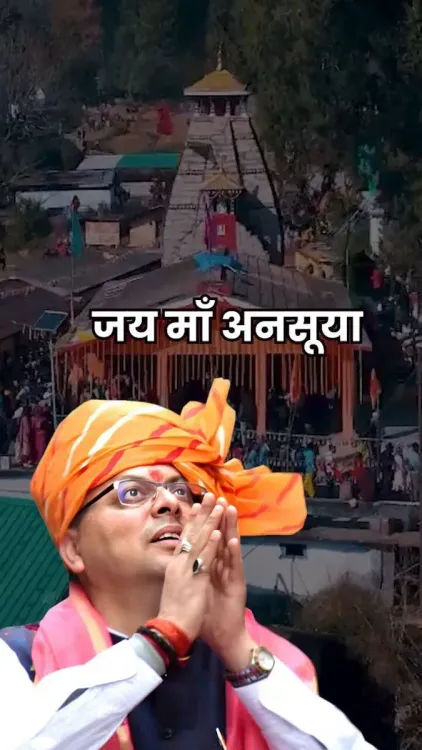
Uttarakhand Chief Minister Pushkar Singh Dhami on Sunday, 19 July 2026, extended an open invitation to devotees and tourists to visit the Maa Anasuya Devi Temple in Chamoli district, calling it an unparalleled symbol of faith, penance, and Sanatan culture, and highlighting the grand fair held there on the occasion of Dattatreya Jayanti.
Context
In his post, CM Dhami described the temple, nestled in the scenic valleys of Chamoli, as 'aastha, tap, tyaag aur Sanatan Sanskriti ka advitiya pratik' — 'an unmatched symbol of faith, penance, renunciation, and Sanatan culture.' He urged anyone visiting Chamoli district to make a point of seeking the blessings of the shrine. The post was accompanied by a video, likely showcasing the temple's surroundings and the festive atmosphere of the annual fair.
The Maa Anasuya Devi Temple is an ancient shrine associated with the sage Anasuya, revered in Hindu tradition as the epitome of devotion and virtue. The temple is also linked to Lord Dattatreya, believed in some traditions to be the son of Anasuya, making it a site of particular significance during Dattatreya Jayanti.
Policy Backdrop
Uttarakhand, long branded as Devbhoomi — the 'Land of Gods' — has pursued religious tourism as a core economic strategy since the early 2000s. Successive state governments have worked to improve infrastructure and visibility for pilgrimage sites across the Garhwal Himalayas, of which Chamoli district is a prominent part.
The Dhami government has continued and intensified this approach, regularly using official platforms to spotlight temples, festivals, and cultural traditions. Such outreach serves a dual purpose: reinforcing cultural identity among the state's Hindu majority and driving footfall to remote districts where tourism is a primary livelihood source for local communities.
Stakeholders and Impact
The direct beneficiaries of heightened attention to the Maa Anasuya Devi Temple are the residents of Chamoli district, whose livelihoods depend significantly on pilgrim and tourist spending. Priests, local vendors, transport operators, and hospitality providers all stand to gain from increased visitor numbers around Dattatreya Jayanti.
For pilgrims across Uttarakhand and neighbouring states, CM Dhami's post functions as an official endorsement of the fair as a culturally and spiritually significant event. The annual gathering at the temple is described in the post as offering a 'unique glimpse of the rich heritage of religious, cultural, and folk traditions' — a framing that positions the fair as a living expression of community identity, not merely a religious observance.
What's Next
Visitor turnout at the Maa Anasuya Devi Temple during this year's Dattatreya Jayanti fair will be a practical measure of how effectively state-level social media outreach translates into ground-level pilgrimage activity. Any state budget allocations for improving road access or facilities to the temple could follow as a downstream policy signal.
More broadly, CM Dhami's consistent promotion of Chamoli's sacred sites fits a wider pattern of Uttarakhand's identity as a spiritual destination — a positioning that is likely to intensify as the state competes for a share of India's growing religious tourism market.
Point of View
And the Dhami administration has leaned into it more deliberately than its predecessors. By anchoring the appeal to Dattatreya Jayanti — a specific festival with a defined pilgrimage window — the post moves beyond generic heritage promotion toward actionable visitor mobilisation. The pattern mirrors comparable outreach from other BJP-led hill states, suggesting a coordinated template for linking cultural identity with subnational economic strategy.
NationPress
19 Jul 2026
Frequently Asked Questions
Where is the Maa Anasuya Devi Temple located?
The Maa Anasuya Devi Temple is located in Chamoli district in the Garhwal Himalayas of Uttarakhand, set amid scenic mountain valleys.
What is Dattatreya Jayanti and why is it celebrated at this temple?
Dattatreya Jayanti is an annual Hindu festival marking the birth of Lord Dattatreya. The Maa Anasuya Devi Temple is associated with Anasuya, believed in Hindu tradition to be the mother of Dattatreya, making it a key site for the celebration.
Why did CM Dhami post about the Maa Anasuya Devi Temple?
CM Pushkar Singh Dhami posted on 19 July 2026 to invite devotees and tourists to visit the temple during the Dattatreya Jayanti fair, as part of Uttarakhand's broader effort to promote its pilgrimage sites and religious tourism.
What is Devbhoomi and how does it relate to Uttarakhand tourism?
Devbhoomi, meaning 'Land of Gods,' is the identity Uttarakhand promotes to attract pilgrims and religious tourists. The state has built tourism campaigns around this brand since the early 2000s, spotlighting temples, festivals, and sacred sites.
How can one visit the Maa Anasuya Devi Temple in Chamoli?
The temple is accessible via Chamoli district in Uttarakhand. Visitors travelling to Chamoli are encouraged by CM Dhami to include the temple in their itinerary, particularly during the Dattatreya Jayanti fair season.