CM Dhami Launches 1002-Acre IMC at Khurpiya Farm, Kichha
Synopsis
Uttarakhand CM Pushkar Singh Dhami has announced an Integrated Manufacturing Cluster spanning 1,002 acres at Khurpiya Farm in Kichha, Udham Singh Nagar, pledging local employment and self-employment for the state's youth as part of a broader industrial investment push.
Key Takeaways
An Integrated Manufacturing Cluster (IMC) is being developed on 1,002 acres at Khurpiya Farm in Kichha, Udham Singh Nagar .
CM Pushkar Singh Dhami announced the project on 20 July 2026 , framing it as a result of voters' mandate for development.
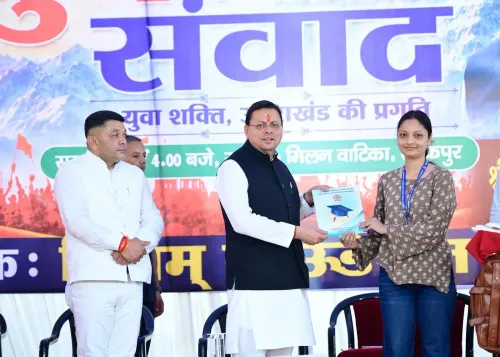
The cluster aims to create employment and self-employment opportunities for Uttarakhand youth near their home districts.
The project aligns with Uttarakhand's 2021 industrial policy and the central government's Atmanirbhar Bharat manufacturing framework.
Kichha in the Terai belt was chosen for its flat terrain and strong road-and-rail connectivity.
Progress on land development and unit allotments over the next 12 to 18 months will be key indicators of project delivery.
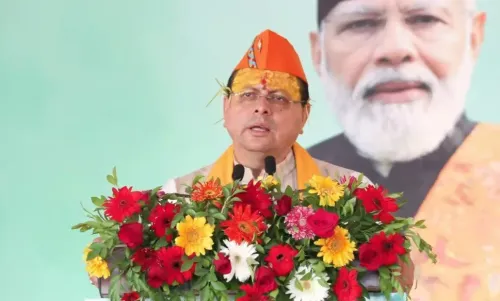
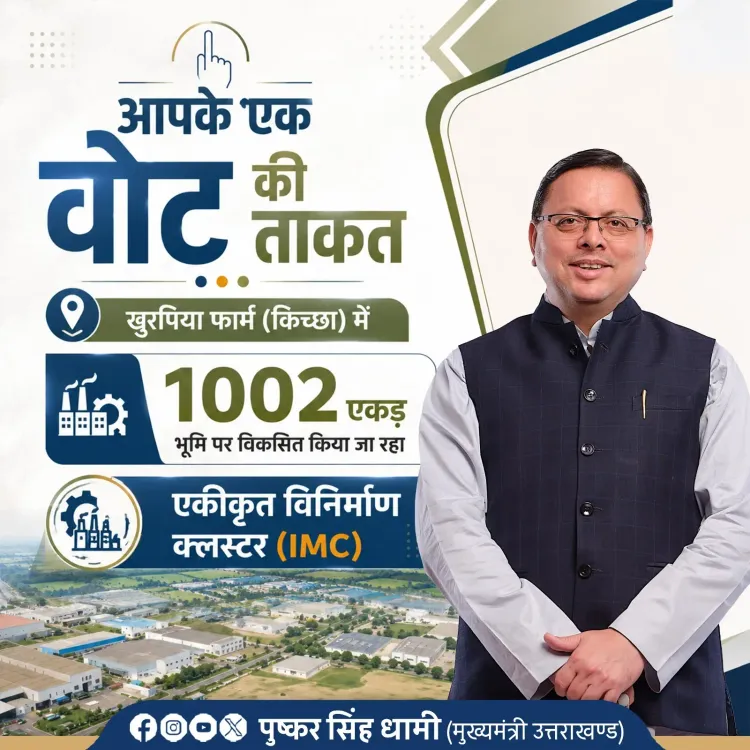
Uttarakhand Chief Minister Pushkar Singh Dhami on Monday, 20 July 2026, announced that an Integrated Manufacturing Cluster (IMC) is being developed across 1,002 acres at Khurpiya Farm in Kichha, Udham Singh Nagar, aimed at generating employment and self-employment opportunities for the state's youth close to their homes.
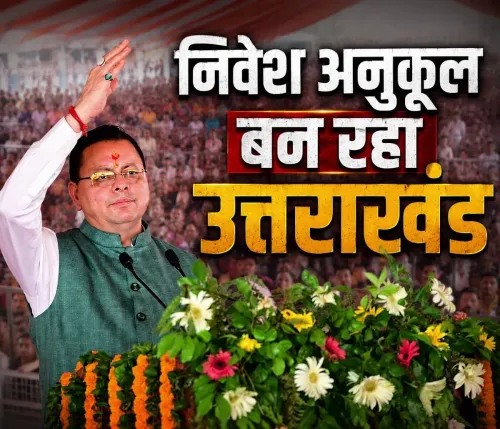
Posting on X, the Chief Minister credited voters for the investment momentum, writing that 'aapke ek vote ki taakat ka hi parinaam hai' ('the result of the power of your single vote') — new investment is gaining pace in the state and fresh avenues of employment and self-employment are being created for youth. He framed the IMC at Khurpiya Farm as a direct fulfilment of the pledge to bring better opportunities to young people near their own homes.
Context
Kichha is a town in the Terai belt of Udham Singh Nagar district, a region that has drawn growing industrial interest owing to its flat terrain and road-and-rail connectivity to the national highway network. The Khurpiya Farm site, a large tract of government land in this belt, has been identified as a strategic location for a consolidated industrial zone.
An Integrated Manufacturing Cluster is designed to co-locate multiple manufacturing units, ancillary services, logistics and common infrastructure within a single planned estate, reducing per-unit setup costs and improving supply-chain efficiency for investors.
Policy Backdrop
Uttarakhand released an updated industrial policy framework in 2021 that prioritised ease of doing business and fresh investment commitments across sectors. The IMC model at Khurpiya Farm sits within that framework and aligns with the broader Atmanirbhar Bharat push by the central government, which encourages development of integrated industrial clusters beyond major metro centres.
Several BJP-governed states have pursued comparable land-bank-based cluster projects in recent years, combining state-owned land with central incentives for infrastructure and logistics to attract manufacturing investment and curb out-migration of working-age youth — a persistent challenge in hill and Terai states alike.
Stakeholders and Impact
The primary beneficiaries identified by CM Dhami are Uttarakhand's youth, for whom out-migration to Delhi, Haryana and other industrial states has historically been a necessity due to limited local job markets. A large-scale IMC in Udham Singh Nagar — already the state's most industrialised district — could deepen that existing manufacturing base and reduce the need for young workers to relocate.
Manufacturing investors and ancillary industries — logistics, packaging, component supply — stand to gain from a plug-and-play industrial estate with shared infrastructure. Local communities around Kichha may also see secondary economic activity in housing, retail and services as the cluster scales.
What's Next
The immediate milestones to watch are land development progress, formal unit allotments to investors, and first-phase employment numbers at the Khurpiya Farm site over the coming 12 to 18 months. The pace of allotments and the sectoral mix of units that take up space in the cluster will determine whether the project delivers on its employment promise at meaningful scale.
If the 1,002-acre IMC reaches operational capacity, it could position Udham Singh Nagar as one of the larger planned industrial zones in the Himalayan and sub-Himalayan states — a signal to investors that Uttarakhand is serious about competing with plains-state industrial corridors for manufacturing capital.
Point of View
Using voter-credit framing to tie infrastructure delivery directly to political loyalty. Uttarakhand's challenge has always been retaining working-age youth in a state where geography limits industrial spread — concentrating a large cluster in the already-industrialised Terai belt is pragmatic but also reinforces a long-standing regional imbalance between the hills and the plains districts. The real test will be the speed and quality of unit allotments: similar cluster announcements in other states have stalled at the land-clearing stage for years. If Udham Singh Nagar's existing industrial ecosystem accelerates uptake at Khurpiya Farm, it could become a credible model for sub-Himalayan industrial development.
NationPress
21 Jul 2026
Frequently Asked Questions
What is the Integrated Manufacturing Cluster at Khurpiya Farm?
The Integrated Manufacturing Cluster (IMC) at Khurpiya Farm is a planned large-scale industrial estate being developed across 1,002 acres in Kichha, Udham Singh Nagar, Uttarakhand, designed to co-locate manufacturing units, logistics and shared infrastructure to attract investment and create local jobs.
Where exactly is Khurpiya Farm located?
Khurpiya Farm is located near Kichha town in Udham Singh Nagar district, in the Terai belt of Uttarakhand — a flat, well-connected region that is the state's most industrialised district.
Why is CM Dhami developing the IMC in Kichha?
CM Dhami has stated the goal is to provide better employment and self-employment opportunities to Uttarakhand's youth near their homes, reducing out-migration to other states for work.
How does the Khurpiya Farm IMC connect to Atmanirbhar Bharat?
The project aligns with the central government's Atmanirbhar Bharat framework, which encourages development of integrated industrial clusters outside major metros by combining state land banks with central infrastructure and logistics incentives.
When was the Khurpiya Farm IMC announced?
Chief Minister Pushkar Singh Dhami announced the 1,002-acre IMC at Khurpiya Farm on 20 July 2026 via a post on X.