CM Dhami launches Uttarakhand Minority Education Authority
Synopsis
Chief Minister Pushkar Singh Dhami on 1 July 2026 launched the Uttarakhand State Minority Education Authority, replacing the Madrasa Board, and distributed NCERT textbooks and recognition certificates to minority schools, citing NEP-2020 and equal opportunity for all notified minority communities.
Key Takeaways
Uttarakhand State Minority Education Authority was formally launched by CM Pushkar Singh Dhami on 1 July 2026 at the Chief Minister's residence in Dehradun .
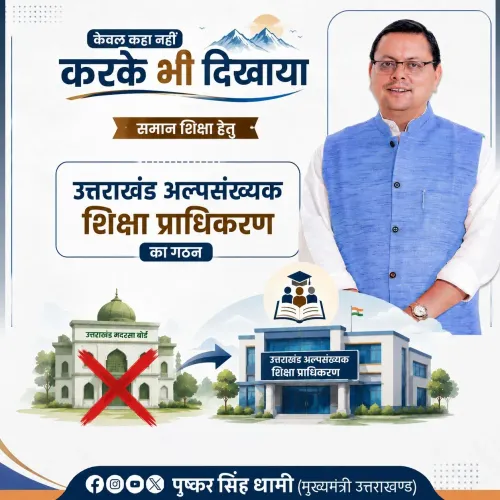
The Madrasa Board has been dissolved and replaced by the new unified authority covering all notified minority communities.
NCERT textbooks were distributed to minority school students, and recognition certificates were handed to several minority educational institutions.
The authority's mandate includes integrating modern subjects — science, mathematics, computers, AI and skill development — into minority school curricula.
NEP-2020 , introduced under PM Narendra Modi , was cited as the policy foundation for the restructuring.
Cabinet Ministers Ganesh Joshi and Pradeep Batra , and authority chairperson Dr.
Surjit Singh , were among senior officials present at the launch.
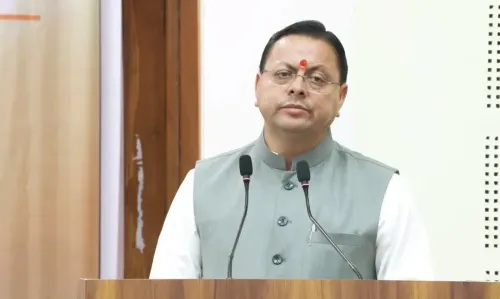
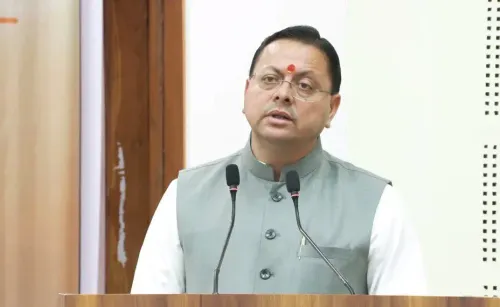
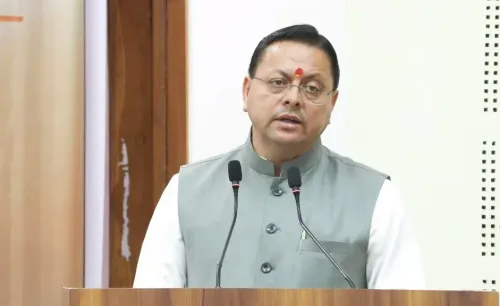
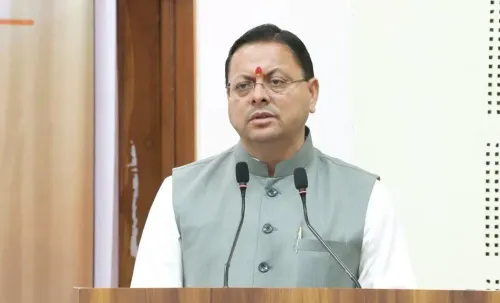
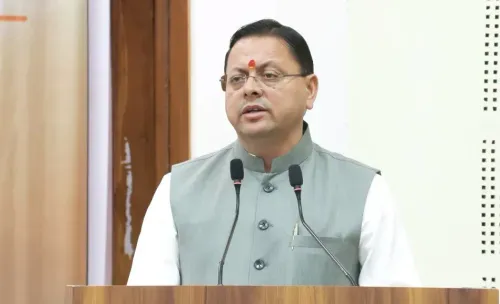
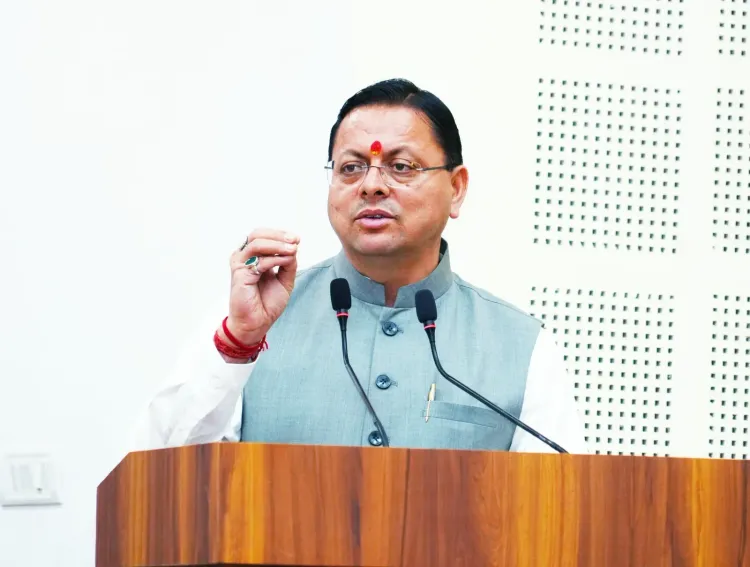
Chief Minister Pushkar Singh Dhami launched the Uttarakhand State Minority Education Authority (Uttarakhand Rajya Alpsankhyak Shiksha Pradhikaran) at a ceremony held at the Chief Minister's residence in Dehradun on 1 July 2026, marking the formal replacement of the state's Madrasa Board with a new unified regulatory body for minority education.
What was launched
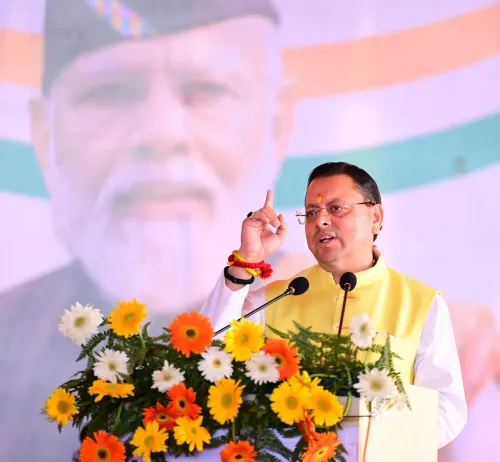
At the event, CM Dhami distributed recognition certificates to several minority educational institutions and gifted NCERT textbooks to students from minority schools. He stated that the new authority has been established with effect from 1 July 2026 to provide 'quality, modern and values-based education' (guṇavattāpūrṇa, ādhunik aur saṃskārayukta śikṣā) to all sections of society. The Madrasa Board has been dissolved as part of this transition.
The Chief Minister said the authority is 'not merely the launch of an institution, but a decision that lays a strong foundation for the bright future of every child in the state.' He added that the government's goal is to ensure every child gets equal opportunity and can advance through modern education, technology and skill development.
Context
Uttarakhand, often called Devbhumi (the land of gods), has long maintained a network of community-specific educational institutions including madrasas for Muslim minority students. The state's Madrasa Board previously governed curriculum and recognition for these institutions. CM Dhami invoked Uttarakhand's heritage as 'a land with a rich tradition of knowledge, education and spirituality' to frame the new authority as a natural extension of that legacy.
He emphasised that the authority's establishment is 'not to affect the identity or traditions of any community, but to provide better educational opportunities to all sections.' Students will be encouraged to remain connected to their cultural roots while gaining proficiency in science, mathematics, computers and skill development.
Policy backdrop
The move aligns Uttarakhand with the National Education Policy 2020, introduced by the Union Cabinet under Prime Minister Narendra Modi to replace the 1986 education policy. NEP-2020 emphasises multidisciplinary learning, skill development, technology integration and equitable access — themes that CM Dhami explicitly cited at the ceremony.
Several states have undertaken similar restructuring of minority education institutions, replacing community-specific boards with unified authorities focused on modern curricula. CM Dhami stressed that the current era of 'AI, machine learning and digital technology' demands that no child in Uttarakhand be left behind. The state government is simultaneously promoting digital education, smart classrooms, skill development, startups and modern training.
Stakeholders and impact
Under the new framework, all notified minority communities — not only Muslims — will receive equal opportunity. CM Dhami noted that communities that did not receive adequate representation under earlier arrangements will now have equal access to education. Institutions receiving recognition certificates at the ceremony were told they are 'not merely receiving a certificate, but becoming participants in a new vision and new system in education.'
Present at the launch were Cabinet Ministers Ganesh Joshi and Pradeep Batra, MLA Umesh Sharma Kau, Special Secretary Dr. Parag Madhukar Dhakate, and the authority's chairperson Dr. Surjit Singh, along with religious leaders, educationists and managers of minority institutions from across the state. CM Dhami appealed to religious leaders, academics, educational institutions and civil society to cooperate in making the initiative a success.
What's next
The authority is expected to roll out new curricula, teacher training modules and a framework for recognising additional institutions in the months ahead. Budget allocation and enrollment outcomes for minority students under the new body are likely to face scrutiny in the next assembly session. CM Dhami expressed confidence that 'in the coming years, this authority will bring positive change in the lives of thousands of children and make Uttarakhand a leading state in quality and inclusive education.'
Point of View
Directly mirroring a pattern seen across several northern states aligning community-specific boards with NEP-2020's standardised framework. By framing the authority as inclusive of all notified minorities — not just Muslims — the Dhami government is attempting to pre-empt criticism of targeting while simultaneously asserting a modernisation agenda. The distribution of NCERT books and the emphasis on AI and digital skills signal an intent to bring minority institutions into the mainstream curriculum orbit. How the authority manages the transition for existing madrasa teachers and students will be the real test of whether the stated goal of equal opportunity translates into practice.
NationPress
1 Jul 2026
Frequently Asked Questions
What is the Uttarakhand State Minority Education Authority?
It is a new statutory body launched on 1 July 2026 by Chief Minister Pushkar Singh Dhami to regulate and modernise education for all notified minority communities in Uttarakhand, replacing the earlier Madrasa Board.
Has Uttarakhand abolished the Madrasa Board?
Yes. The Uttarakhand government has dissolved the Madrasa Board as part of this transition and replaced it with the new Minority Education Authority, which covers all notified minority communities.
Which communities does the new authority cover?
The authority covers all notified minority communities in Uttarakhand, not just one community, with the stated aim of providing equal educational opportunities to groups that lacked adequate representation under earlier arrangements.
What did CM Dhami distribute at the launch event?
CM Pushkar Singh Dhami distributed recognition certificates to several minority educational institutions and gifted NCERT textbooks to students from minority schools at the ceremony held at his official residence in Dehradun.
How does this relate to the National Education Policy 2020?
CM Dhami explicitly cited NEP-2020, introduced under Prime Minister Narendra Modi, as the guiding framework, emphasising its focus on skill development, technology integration, innovation and equitable access as the basis for the new authority's mandate.