CM Dhami launches Phase 2 of Single Woman Self-Employment Scheme
Synopsis
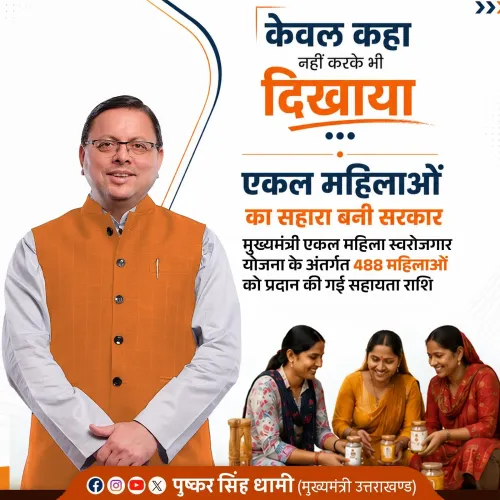
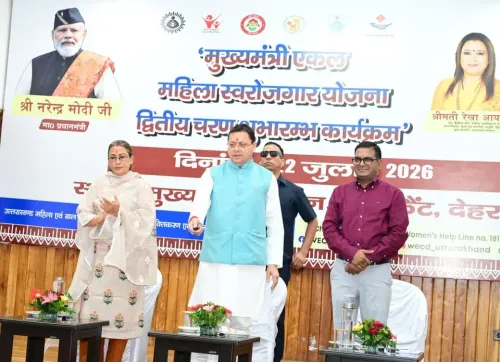
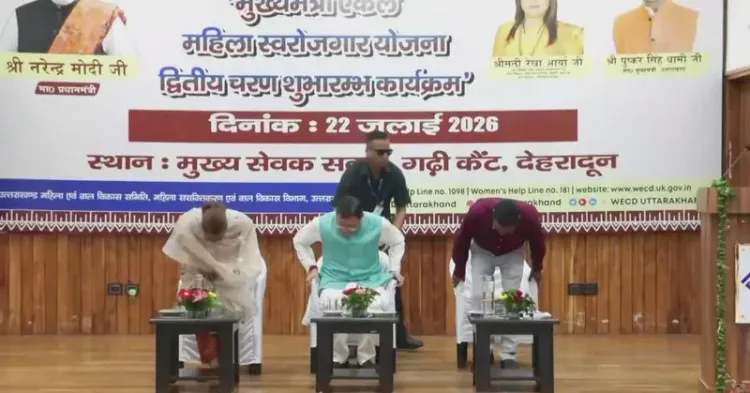
Uttarakhand Chief Minister Pushkar Singh Dhami launched the second phase of the Mukhyamantri Ekal Mahila Swarozgar Yojana in Dehradun on 22 July 2026, expanding credit, training, and enterprise support for single women across the hill state.
Key Takeaways
CM Pushkar Singh Dhami launched the second phase of the Mukhyamantri Ekal Mahila Swarozgar Yojana in Dehradun on 22 July 2026 .
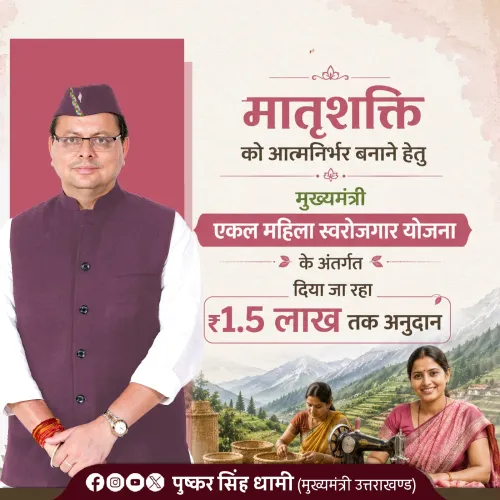
The scheme provides financial support, skill training, and credit access to single women — including widows and divorcees — to help them start micro-enterprises.
Phase two follows an earlier rollout that established the credit-linkage and training framework for single women beneficiaries in Uttarakhand .
The programme complements central schemes such as Pradhan Mantri Mudra Yojana and Skill India , addressing the specific needs of a hill state with high male out-migration.
Beneficiary registration numbers, loan disbursement figures, and specific financial provisions from the launch are yet to be officially published.
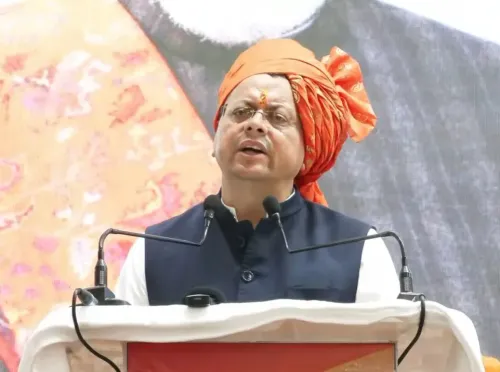
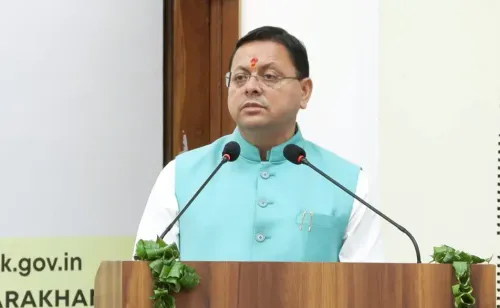
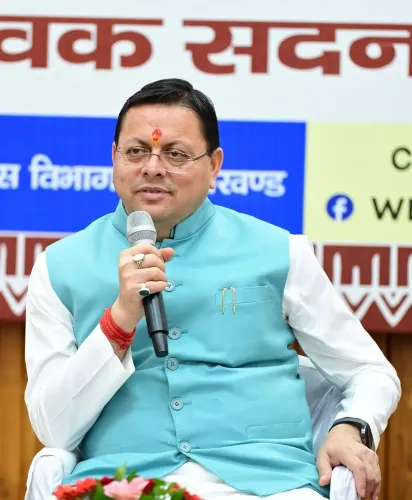
Uttarakhand Chief Minister Pushkar Singh Dhami on Wednesday, 22 July 2026, launched the second phase of the Mukhyamantri Ekal Mahila Swarozgar Yojana (Chief Minister Single Woman Self-Employment Scheme) at an event in Dehradun, signalling the state government's continued push to expand economic opportunities for single women across the hill state.
Context
The scheme — whose name translates as the Mukhyamantri Ekal Mahila Swarozgar Yojana — is an Uttarakhand government programme designed to provide financial support, skill training, and access to credit for single women seeking to establish or scale micro-enterprises. CM Dhami announced the phase-two launch live on social media, describing the event as 'mukhyamantri ekal mahila swarozgar yojana ke dwiteeya charan ka shubharambh' ('the auspicious beginning of the second phase of the Chief Minister Single Woman Self-Employment Scheme').
The launch was held in Dehradun, the state capital, and streamed live, reflecting the government's intent to give the rollout wide visibility among potential beneficiaries and civil-society observers.
Policy Backdrop
The first phase of the scheme established a framework of credit linkages and training support aimed at helping single women — including widows, divorcees, and women living alone — start viable livelihoods. Successive phases of such programmes in Indian states typically expand the beneficiary base, raise per-beneficiary assistance ceilings, or add new enterprise categories based on uptake data from earlier rounds.
Uttarakhand's initiative fits within a broader national pattern in which state governments have introduced targeted self-employment schemes for women and vulnerable groups to foster economic independence. The programme complements central-government instruments such as Pradhan Mantri Mudra Yojana loans and the Skill India Mission, while addressing the specific demographic pressures of a hill state where male out-migration leaves many women as de-facto household heads.
Stakeholders and Impact
The primary beneficiaries are single women across Uttarakhand, particularly those in rural and semi-urban hill districts where formal employment opportunities are limited. Women entrepreneurs who completed training or received seed support under phase one are expected to see expanded access to follow-on credit and market-linkage support under the new phase.
Local self-help groups, district-level banking correspondents, and state skill-development bodies are among the institutional stakeholders involved in delivering the scheme on the ground. The government's decision to live-stream the launch suggests an effort to build awareness directly among eligible women who may not otherwise learn of the programme through official channels.
What's Next
Attention will now turn to the publication of registration numbers, loan disbursement targets, and the specific financial provisions announced at the 22 July event. Analysts and civil-society groups tracking women's welfare in Uttarakhand are likely to seek data on enterprise survival rates and income gains from phase one as a baseline against which to measure the second phase's effectiveness.
Any revision to the scheme's budget allocation or beneficiary targets may surface during the next Uttarakhand Legislative Assembly session, making that a key moment to watch for the programme's longer-term trajectory.
Point of View
Which has consistently positioned women's welfare as a flagship governance priority ahead of future electoral cycles in Uttarakhand. By live-streaming the launch, the administration signals an intent to reach beneficiaries directly, bypassing intermediary communication gaps that have historically diluted scheme uptake in remote hill districts. The programme also sits within the BJP's broader national narrative of women-led development, giving the state initiative visibility beyond Uttarakhand's borders. The real test, however, will be the disbursement data and enterprise survival rates that emerge from phase two — metrics that will determine whether the scheme translates political intent into measurable economic change for single women.
NationPress
21 Oct 2026
Frequently Asked Questions
What is the Mukhyamantri Ekal Mahila Swarozgar Yojana?
It is an Uttarakhand government scheme that provides financial assistance, skill training, and credit access to single women — including widows, divorcees, and women living alone — to help them start or expand micro-enterprises and achieve economic independence.
What is phase 2 of the Uttarakhand single women self-employment scheme?
Phase 2, launched by CM Pushkar Singh Dhami in Dehradun on 22 July 2026, is the second rollout of the scheme, expected to expand the beneficiary base and enhance support provisions based on the experience of the earlier phase.
Who can benefit from the Mukhyamantri Ekal Mahila Swarozgar Yojana in Uttarakhand?
Single women in Uttarakhand, particularly widows, divorcees, and women who are the sole earners in their households, are the primary target beneficiaries of the scheme.
Where was the phase 2 launch of the CM single women scheme held?
The phase-two launch was held in Dehradun, the capital of Uttarakhand, on 22 July 2026, and was live-streamed by Chief Minister Pushkar Singh Dhami on social media.
How does Uttarakhand's single women scheme relate to central government programmes?
The scheme complements central initiatives such as Pradhan Mantri Mudra Yojana loans and the Skill India Mission, while specifically addressing the livelihood needs of single women in Uttarakhand's hill districts, where male out-migration is high.