CM Dhami Marks 5 Years; 51 Projects Worth ₹219 Cr Launched
Synopsis
Governor Lt. Gen. Gurmeet Singh and CM Pushkar Singh Dhami launched 51 development projects worth over ₹219 crore in Dehradun at a Seva Pakwada event in Rishikesh, marking five years of the Dhami government and reaffirming a 2035 developed-state target.
Key Takeaways
51 development projects worth more than ₹219 crore were inaugurated and foundation-stoned in Dehradun district at the Seva Pakwada event in Rishikesh .
CM Pushkar Singh Dhami marked five years in office; Governor Gurmeet Singh called it a symbol of public trust and democratic stability.
Uttarakhand became India's first state to implement the Uniform Civil Code (UCC) in 2024 under Dhami's leadership.
More than 2 lakh 65 thousand women have become self-reliant under the Lakhpati Didi scheme ; women also have 30 percent horizontal reservation in government jobs.
The state government has set a target of making Uttarakhand a developed state by 2035 , aligning with the national Viksit Bharat framework.
Youth-focused initiatives include a new startup policy , Solar Self-Employment Scheme , and a call to engage with AI and innovation-led sectors.
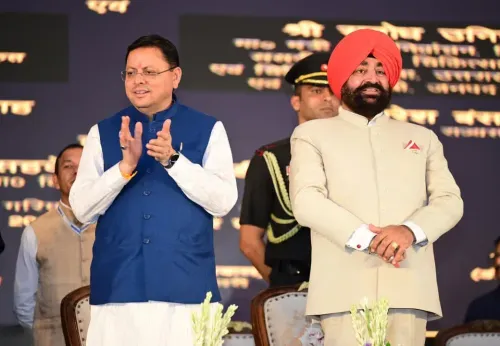
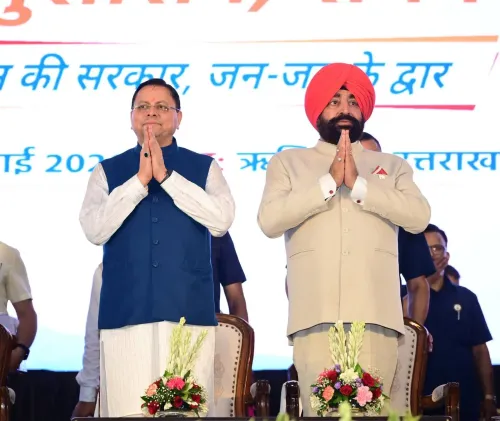
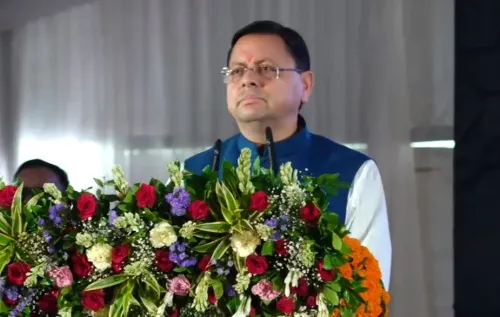
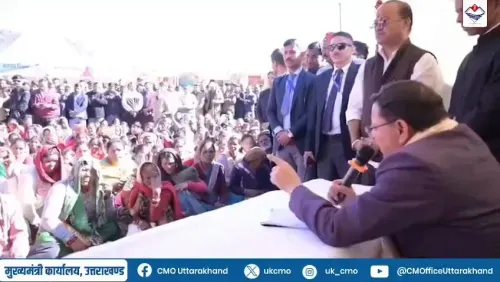
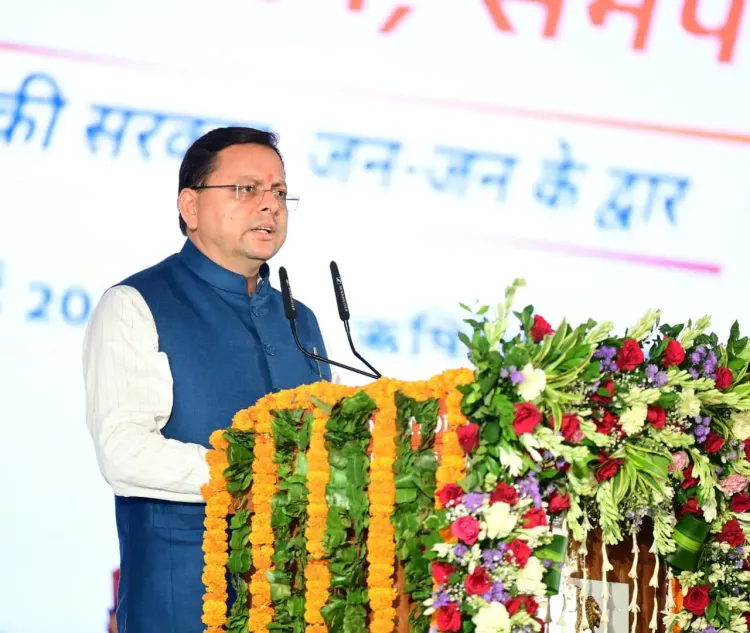
The Chief Minister's Office of Uttarakhand announced on 4 July 2026 that Governor Lt. Gen. Gurmeet Singh (Retd.) and Chief Minister Pushkar Singh Dhami jointly addressed the 'Seva, Sushasan evam Samarpan: Jan-Jan ki Sarkar, Jan-Jan ke Dwar' ('Service, Good Governance and Dedication: Government for All, at the Doorstep of All') Seva Pakwada programme at IDPL Ground, Rishikesh. On the occasion, the two leaders inaugurated and laid the foundation stones of 51 development projects in Dehradun district at a combined cost of more than ₹219 crore.
Context
The Seva Pakwada event marked Chief Minister Dhami's five-year tenure at the helm of Uttarakhand. Speaking at the programme, CM Dhami said that five years ago he was given the opportunity to serve Devbhoomi Uttarakhand and that the journey has continued with a spirit of public service, good governance and dedication. He described the occasion not as a celebration but as a moment for introspection and a renewed commitment to public service, expressing gratitude to Prime Minister Narendra Modi and calling the trust and blessings of the people his greatest strength.
Governor Gurmeet Singh congratulated CM Dhami on completing more than five years as Chief Minister, calling the achievement 'a symbol of public trust, democratic stability and continuity of development.' He underlined that the true measure of democracy's success lies in delivering the benefits of governance to every citizen at the last mile — with dignity, sensitivity, transparency and timeliness.
Policy Backdrop
The Governor highlighted several landmark decisions taken under CM Dhami's leadership. Uttarakhand became the first state in India to implement the Uniform Civil Code (UCC), enacted in 2024, reinforcing equality, justice and social harmony. The state also introduced a stringent anti-cheating law in 2023 to protect the interests of youth, along with strict legal provisions against forced religious conversion and damage to public property, and an effective land law.
The Governor pointed to major milestones in economic and spiritual infrastructure: redevelopment of Kedarnath and Badrinath Dhams, expansion of tourism and the Homestay Scheme, the Global Investors Summit, G-20 meetings, the National Games, and large-scale infrastructure projects that have positioned Uttarakhand as a new hub of development and investment. He cited Prime Minister Modi's declaration that 'the third decade of the 21st century will be Uttarakhand's decade' as a reflection of the state's potential.
Stakeholders and Impact
Women's empowerment featured prominently in both addresses. CM Dhami noted that more than 2 lakh 65 thousand women have become self-reliant under the Lakhpati Didi scheme. The state has also implemented 30 percent horizontal reservation for women in government jobs — a policy introduced in 2022 — along with the Nari Sashaktikaran Yojana, Mukhyamantri Mahalakshmi Yojana, and the strengthening of self-help groups.
For youth, the government cited a new startup policy, the 'Ek Janpad-Do Utpad' (One District-Two Products) initiative, the Solar Self-Employment Scheme, and the Homestay Scheme as vehicles for self-reliance. The Governor called on young people to advance in innovation-led sectors such as startups and artificial intelligence (AI). Residents of Dehradun district are the immediate beneficiaries of the 51 projects inaugurated at the event.
What's Next
CM Dhami reiterated the state government's target of making Uttarakhand a developed and model state by 2035, with focused investment in infrastructure, education, health, drinking water, roads, agriculture, tourism, industry, investment, self-employment and border-area development. The rollout of the new startup and solar self-employment policies in 2026–27 and progress on the 51 Dehradun projects will be closely watched as indicators of execution against these commitments. The Seva Pakwada programme itself signals that the government intends to use public-facing events as accountability checkpoints rather than purely ceremonial milestones.
Point of View
With the five-year tenure highlight serving to consolidate CM Dhami's image as a stable, reform-minded leader ahead of any future electoral cycle. The emphasis on UCC, anti-cheating law and land legislation signals that the Uttarakhand government is positioning social legislation — not just infrastructure — as a core deliverable of its tenure. Framing the 2035 developed-state goal within the Prime Minister's 'Uttarakhand ka Dashak' narrative tightly links state ambition to the national BJP development arc, making progress on these benchmarks politically consequential. The ₹219 crore Dehradun project bundle, while substantive, also reflects the pattern of using district-level announcements to sustain visible delivery momentum between major policy events.
NationPress
4 Jul 2026
Frequently Asked Questions
What is the Seva Pakwada programme in Uttarakhand?
Seva Pakwada is a government-organised fortnight-long public outreach programme themed around service, good governance and dedication, aimed at delivering scheme benefits to citizens at the grassroots level. The 2026 edition was held at IDPL Ground, Rishikesh, and was addressed by the Governor and Chief Minister.
How many projects were launched in Dehradun at the Seva Pakwada event?
A total of 51 development projects in Dehradun district, with a combined cost of more than ₹219 crore, were inaugurated and had their foundation stones laid at the event.
What is the Lakhpati Didi scheme and how many women have benefited in Uttarakhand?
Lakhpati Didi is a women's empowerment programme that supports self-help groups to achieve annual incomes of at least ₹1 lakh, promoting financial self-reliance. CM Dhami stated that more than 2 lakh 65 thousand women in Uttarakhand have become self-reliant under this scheme.
Was Uttarakhand the first state to implement the Uniform Civil Code?
Yes. Uttarakhand enacted the Uniform Civil Code in 2024, making it the first Indian state to implement the legislation, which aims to promote equality, justice and social harmony.
What is Uttarakhand's development target for 2035?
The Uttarakhand government has set a goal to make the state a developed and model state by 2035, with focused efforts on infrastructure, education, health, tourism, industry, investment, self-employment and border-area development — mirroring the national Viksit Bharat 2047 framework at a state level.