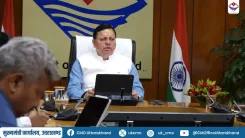
CM Dhami Marks Five Years of Governance in Uttarakhand
Synopsis
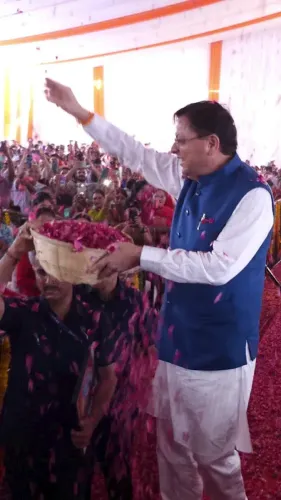
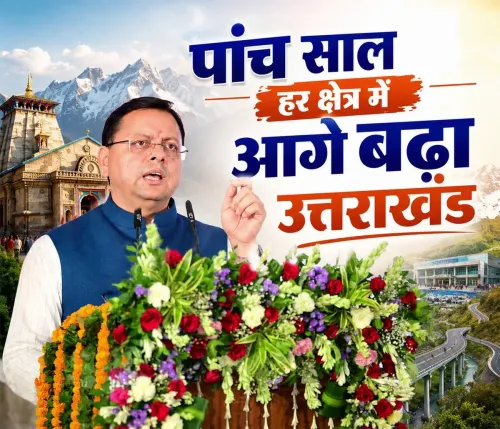
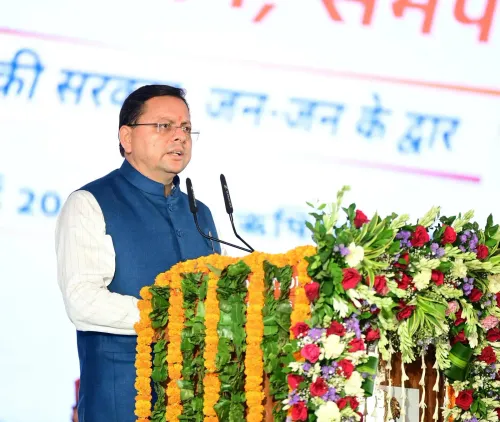
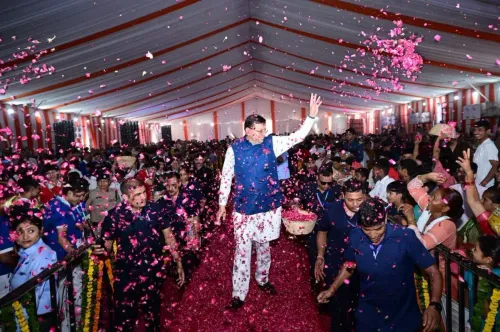
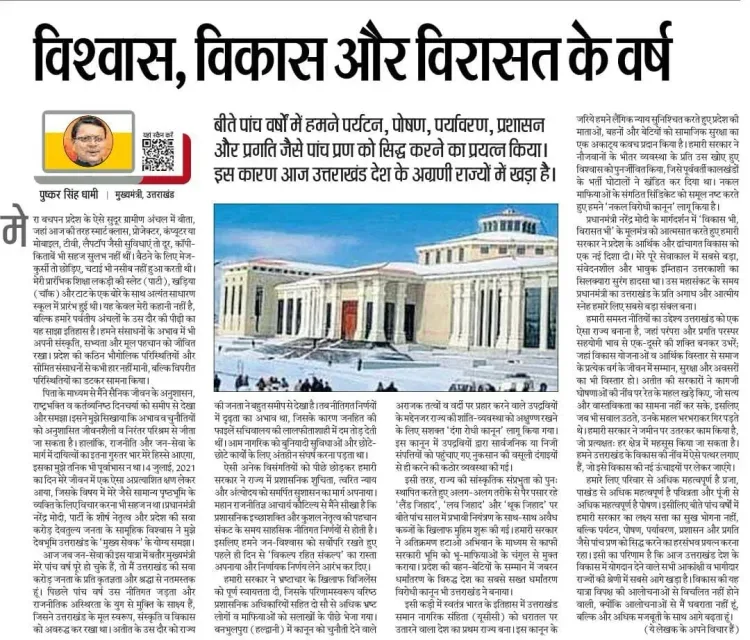
Uttarakhand Chief Minister Pushkar Singh Dhami on 7 July 2026 marked five years of governance, highlighting public trust, continuous development, and the promotion of Devbhoomi's cultural heritage — a milestone that sets the tone for the BJP's pre-election narrative ahead of 2027 assembly polls.
Key Takeaways
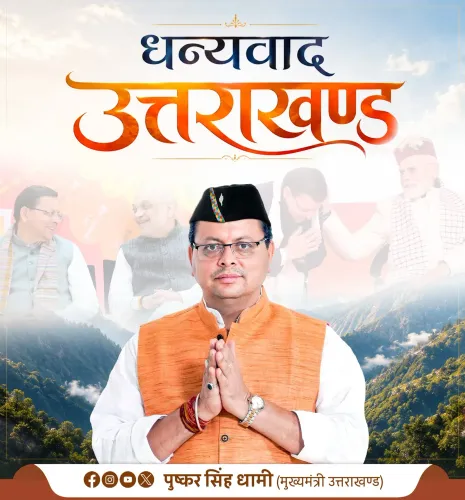
CM Pushkar Singh Dhami posted on X on 7 July 2026 reflecting on five years of governance in Uttarakhand .
He described the period as dedicated to honouring public trust, expanding development, and promoting the heritage of Devbhoomi .
Dhami was first appointed Chief Minister in July 2021 , later winning a fresh mandate in the 2022 assembly elections .
The BJP -led government has pursued a dual strategy of infrastructure investment — including the Char Dham road project — and pilgrimage economy promotion since 2017 .
The milestone post is seen as an early signal of the party's narrative-building ahead of the 2027 Uttarakhand assembly elections .
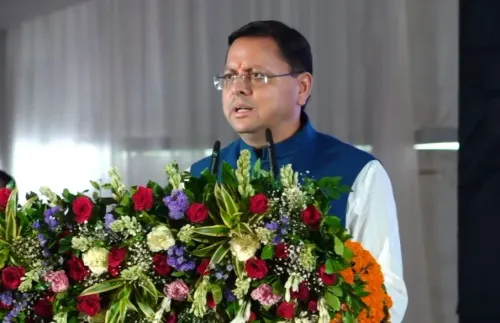
Uttarakhand Chief Minister Pushkar Singh Dhami on Tuesday, 7 July 2026 reflected on five years of governance in the state, describing the period as dedicated to honouring public trust, sustaining development, and giving new recognition to the rich heritage of Devbhoomi.
Context
In a post on X, CM Dhami wrote: 'जनविश्वास का सम्मान, विकास का निरंतर विस्तार और देवभूमि की समृद्ध विरासत को नई पहचान देने के लिए समर्पित पाँच वर्ष..' — translated as 'Five years dedicated to honouring public trust, the continuous expansion of development, and giving new identity to the rich heritage of Devbhoomi.' The post marks approximately five years since Dhami was first appointed Chief Minister of Uttarakhand in July 2021.
The message draws together three themes that have defined his tenure: accountability to voters, infrastructure-led growth, and the promotion of Uttarakhand's identity as a land of pilgrimage and culture. The phrase 'Devbhoomi' — meaning 'Land of the Gods' — is both the state's popular name and a political shorthand for its religious and ecological significance.
Policy Backdrop
Dhami was elevated to the Chief Minister's post in July 2021 following the resignation of his predecessor, making him the third Chief Minister the BJP fielded in Uttarakhand within a single term. He subsequently led the party to a fresh mandate in the 2022 assembly elections, consolidating his position as the face of the BJP's governance agenda in the hill state.
The BJP-led government in Uttarakhand has since 2017 pursued a dual track of infrastructure expansion — including the high-profile Char Dham road-widening project — and active promotion of the state's pilgrimage economy. Heritage branding alongside connectivity investment has become a signature approach for BJP-governed Himalayan states, linking religious tourism with broader economic development goals.
Stakeholders and Impact
The five-year milestone carries direct relevance for Uttarakhand's residents across its hill and plains districts, who have been the primary audience for the government's development messaging. The pilgrimage tourism sector — centred on destinations such as Kedarnath, Badrinath, Gangotri, and Yamunotri — stands as one of the state's most significant economic drivers, and its growth has been closely tied to the administration's infrastructure and heritage initiatives.
Broader stakeholders include the state's youth seeking employment in tourism and allied sectors, as well as local communities in ecologically sensitive Himalayan zones where development projects intersect with conservation concerns.
What's Next
With Uttarakhand assembly elections due in 2027, the five-year reflection from CM Dhami is widely seen as the opening of a political stocktaking exercise ahead of the next electoral cycle. Observers will watch for mid-term reviews of flagship schemes and any new policy announcements tied to the anniversary milestone.
The government is expected to place continued emphasis on pilgrimage infrastructure, state tourism policy, and cultural preservation as it builds its pre-election narrative — positioning the past five years as a foundation for the next phase of Uttarakhand's development.
Point of View
Arriving roughly eighteen months before the 2027 Uttarakhand assembly elections. By anchoring the message in three pillars — public trust, development, and heritage — the post signals that the BJP intends to contest the next election on its governance record rather than on any single flagship scheme. The 'Devbhoomi' framing is particularly deliberate: it ties material infrastructure investment to cultural and religious identity, a combination that has proven electorally effective in Himalayan and north-eastern states. Whether the government can convert this narrative into a concrete pre-election policy push will determine how much traction the anniversary messaging ultimately generates.
NationPress
7 Jul 2026
Frequently Asked Questions
How long has Pushkar Singh Dhami been Chief Minister of Uttarakhand?
Pushkar Singh Dhami has been Chief Minister of Uttarakhand since July 2021, making July 2026 approximately his five-year milestone in the role.
What does 'Devbhoomi' mean in the context of Uttarakhand?
'Devbhoomi' translates to 'Land of the Gods' and is a widely used name for Uttarakhand, reflecting its importance as a centre of Hindu pilgrimage sites including Kedarnath, Badrinath, Gangotri, and Yamunotri.
What are the key development projects in Uttarakhand under CM Dhami?
The BJP-led Uttarakhand government has prioritised the Char Dham road-widening project, pilgrimage tourism infrastructure, and broader connectivity improvements as flagship development initiatives during Dhami's tenure.
When are the next Uttarakhand assembly elections?
The next Uttarakhand assembly elections are expected in 2027, and CM Dhami's five-year milestone post is seen as part of early narrative-building ahead of that electoral cycle.
Why is CM Dhami's five-year post politically significant?
The post signals the BJP's intent to campaign on its governance record in Uttarakhand, combining development achievements with cultural heritage promotion as the party prepares its pitch for the 2027 assembly elections.