CM Dhami Meets Akhara Leaders, Top BJP Officials in Uttarakhand
Synopsis
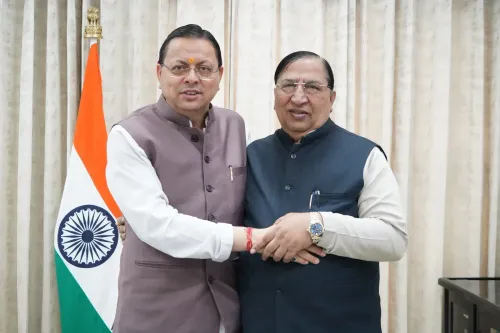
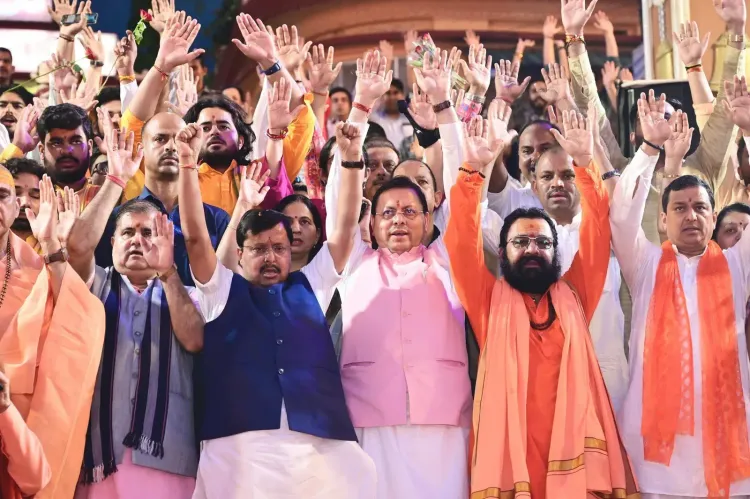
Uttarakhand CM Pushkar Singh Dhami on 29 May 2026 shared details of a gathering with heads of Juna and Niranjan akharas, the Akhil Bharatiya Akhada Parishad president, Parmarth Niketan chief Swami Chidanand Saraswati, and senior BJP leaders including MP Anil Baluni, reflecting the state's ongoing coordination with religious institutions.
Key Takeaways
CM Pushkar Singh Dhami documented a meeting on 29 May 2026 involving top akhara leaders and BJP officials.
Mahamandaleshwar Avdheshanand Giri of Juna Akhada and Mahamandaleshwar Kailashanand Giri of Niranjan Akhada were among the religious attendees.
Mahant Ravindra Puri , president of the Akhil Bharatiya Akhada Parishad , the apex akhara body, was present.
Swami Chidanand Saraswati of Parmarth Niketan, Rishikesh , attended alongside political leaders.
BJP figures including State President Mahendra Bhatt , MP Anil Baluni , Cabinet Minister Dr.
Dhan Singh , and MLA Renu Bisht participated.
The engagement aligns with Uttarakhand 's pattern of state-akhara coordination ahead of major religious events including the 2027–28 Kumbh cycle .
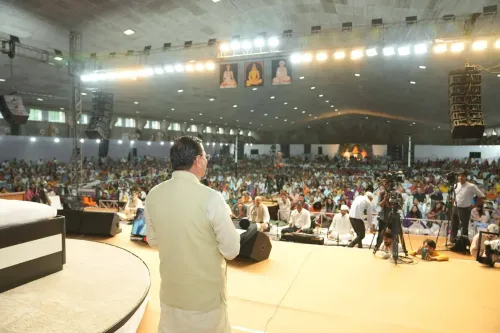
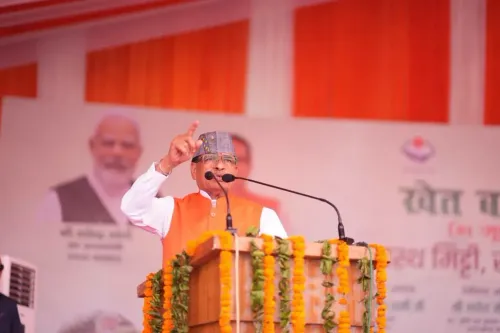
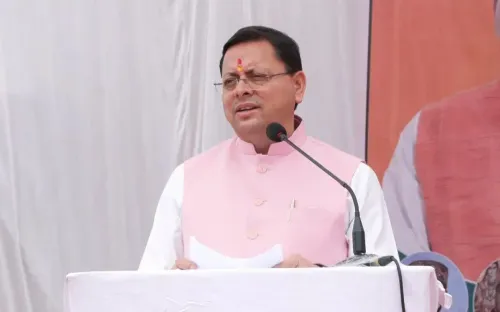
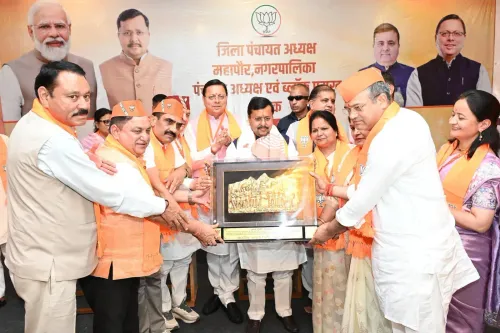
Uttarakhand Chief Minister Pushkar Singh Dhami on Friday, 29 May 2026, shared details of a high-level gathering that brought together senior saints from major Hindu akharas, the apex akhara coordinating body, a prominent Rishikesh ashram, and key BJP functionaries from the state. The meeting underscored the Dhami government's sustained engagement with religious institutions that hold significant influence over pilgrimage and cultural affairs in the Himalayan state.
Context
In his post, CM Dhami listed the attendees at the event. These included Mahamandaleshwar Swami Avdheshanand Giri Ji Maharaj of Juna Akhada, Mahamandaleshwar Kailashanand Giri Ji Maharaj of Niranjan Akhada, and Mahant Ravindra Puri Ji, president of the Akhil Bharatiya Akhada Parishad — the apex body that coordinates protocols for all major akharas. Swami Chidanand Saraswati Ji, president of Parmarth Niketan in Rishikesh, was also present.
On the political side, BJP Uttarakhand State President Mahendra Bhatt Ji, Member of Parliament Anil Baluni Ji, Cabinet Minister Dr. Dhan Singh Ji, and MLA Smt. Renu Bisht Ji attended alongside the religious leaders. The presence of both akhara heads and senior party officials signals a coordinated outreach combining governance and religious diplomacy.
Policy Backdrop
Uttarakhand has long positioned Hindu religious tourism as a cornerstone of its economy and cultural identity. The state government has maintained regular dialogue with akhara leadership to coordinate logistics for major pilgrimages, including the Kumbh Mela and the Char Dham Yatra. During the 2021 Haridwar Kumbh Mela, Juna Akhada, Niranjan Akhada, and other monastic orders participated with active state facilitation.
The Akhil Bharatiya Akhada Parishad has been a key interlocutor for state governments since the early 2000s, overseeing dispute resolution and participation protocols for large-scale religious events. Parmarth Niketan, headquartered in Rishikesh, is additionally known for its Ganga conservation initiatives and interfaith programmes, giving it a broader policy footprint beyond purely ceremonial matters.
Stakeholders and Impact
The akharas collectively represent millions of sadhus and their lay followers, making akhara heads influential voices on matters ranging from pilgrimage infrastructure to heritage site management. Engagements of this kind help the state government align administrative planning — including crowd management, sanitation, and accommodation — with the expectations of monastic orders ahead of major festivals.
For the BJP in Uttarakhand, maintaining close ties with akhara leadership also carries political weight, as these institutions command grassroots reverence across the state's Hindu population. The simultaneous presence of MP Anil Baluni and State President Mahendra Bhatt reflects the party's intent to keep central and state-level coordination aligned on religious affairs.
What's Next
With preparatory discussions for the 2027–28 Kumbh cycle expected to begin in the coming months, meetings of this nature are likely to grow in frequency and significance. The state government may issue formal orders on the management of religious sites and pilgrim facilities as planning for the next Kumbh intensifies. The involvement of Swami Chidanand Saraswati also suggests that river-conservation and environmental compliance at pilgrimage sites could form part of the broader agenda.
Point of View
Such meetings serve a dual purpose — logistical groundwork and political signalling to a deeply religious electorate. The inclusion of Swami Chidanand Saraswati, who bridges spiritual and environmental advocacy, hints that the agenda may extend beyond ceremonial bonhomie to substantive policy discussions on Ganga conservation and pilgrimage infrastructure. Sustaining akhara goodwill is also a hedge against the kind of public disputes between monastic orders and state administrations that have occasionally disrupted Kumbh planning in other states.
NationPress
13 Oct 2026
Frequently Asked Questions
Who attended the meeting with CM Pushkar Singh Dhami on 29 May 2026?
The meeting included Mahamandaleshwar Avdheshanand Giri of Juna Akhada, Mahamandaleshwar Kailashanand Giri of Niranjan Akhada, Akhil Bharatiya Akhada Parishad president Mahant Ravindra Puri, Swami Chidanand Saraswati of Parmarth Niketan, BJP State President Mahendra Bhatt, MP Anil Baluni, Cabinet Minister Dr. Dhan Singh, and MLA Renu Bisht.
What is the Akhil Bharatiya Akhada Parishad?
The Akhil Bharatiya Akhada Parishad is the apex coordinating body of Hindu akharas in India. It oversees protocols, resolves disputes between monastic orders, and manages their participation in large-scale religious events such as the Kumbh Mela.
Why does the Uttarakhand government meet with akhara leaders?
Uttarakhand holds several of India's most important Hindu pilgrimage sites, and akhara heads represent millions of sadhus and devotees. The state government coordinates with them on logistics, crowd management, and policy for major festivals, and has done so regularly since at least the early 2000s.
What is Parmarth Niketan and who leads it?
Parmarth Niketan is a prominent ashram and spiritual centre in Rishikesh, Uttarakhand. It is headed by Swami Chidanand Saraswati, who is known for organising interfaith events and Ganga conservation initiatives.
Is Uttarakhand preparing for the next Kumbh Mela?
Preparatory discussions for the 2027–28 Kumbh cycle are expected to begin in the coming months. Meetings between the state government and akhara leadership, such as the one documented by CM Dhami on 29 May 2026, are part of this broader coordination process.