CM Dhami: Merit Now Drives Uttarakhand Govt Hiring
Synopsis
Chief Minister Pushkar Singh Dhami declared on 2 June 2026 that Uttarakhand has moved from recommendation-driven government hiring to strict merit-based selection — a statement that anchors the state's ongoing push for transparent public recruitment and signals continued political priority for the reform.
Key Takeaways
CM Pushkar Singh Dhami stated on 2 June 2026 that government hiring in Uttarakhand now happens purely on merit, talent, and capability.
He explicitly acknowledged that earlier, lobbying and recommendations outweighed hard work and talent in the state's recruitment culture.
Dhami has publicly prioritised ending recommendation-based appointments since taking office in 2021 .
Uttarakhand's reform push mirrors similar state-level drives across India to rebuild trust after documented examination irregularities in the early 2020s .
Key watchpoints include upcoming Uttarakhand Public Service Commission notifications and formal policy circulars on revised selection criteria.
Government job aspirants and youth of Uttarakhand are the direct stakeholders of any sustained shift to merit-based selection.
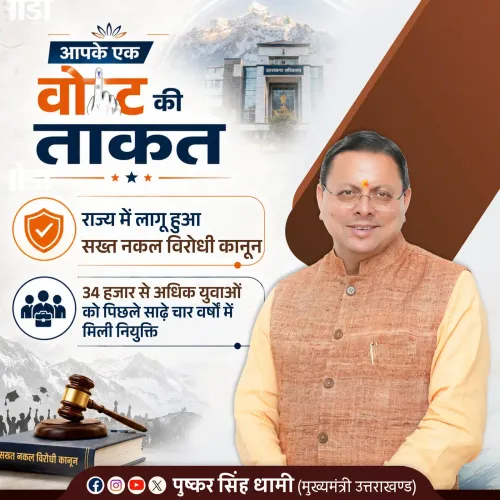
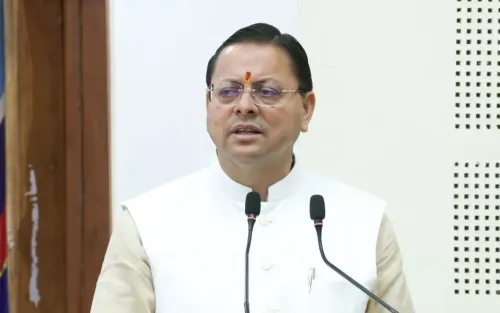
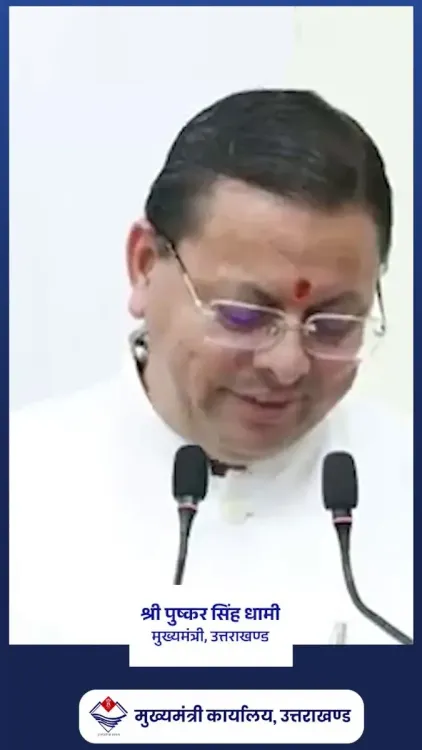
The Chief Minister's Office of Uttarakhand, on behalf of Chief Minister Pushkar Singh Dhami, shared a pointed statement on Tuesday, 2 June 2026, asserting that the era of recommendation-based government appointments in the state has given way to selection purely on merit, capability, and competence.
Context
CM Dhami stated: 'Pehle pratibha se adhik pairvi aur parishram se adhik sifarishon ki charcha zyada hoti thi' — 'Earlier, lobbying was discussed more than talent, and recommendations more than hard work.' He added that today, selection happens on the basis of talent, ability, and merit. The statement is a direct acknowledgement that Uttarakhand's public recruitment ecosystem once suffered from systemic favouritism, and a declaration that those norms have been reversed.
The remark carries weight because it comes from the Chief Minister himself, not a departmental spokesperson, signalling that transparent hiring remains a top political priority for the BJP-led state government.
Policy Backdrop
Since CM Dhami took office in 2021, his administration has publicly committed to ending discretionary influence in state service appointments. Uttarakhand, formed in 2000 with Dehradun as its capital, has historically seen allegations of favouritism in competitive examinations and government postings.
This push mirrors a broader national pattern: multiple Indian states have since the early 2020s introduced tightened examination protocols, digital oversight mechanisms, and stricter anti-copying legislation to restore aspirant trust following documented irregularities. Uttarakhand's stated reform trajectory fits squarely within this wider governance trend.
Stakeholders and Impact
The primary beneficiaries of merit-based recruitment are Uttarakhand's government job aspirants and its youth, who compete in large numbers for limited public-sector posts. For this demographic, the shift away from recommendation culture — if sustained — means that preparation and competence, rather than political or social connections, determine outcomes.
Civil society observers and candidate groups have long demanded such reforms. Any credible enforcement of merit-based selection also reduces the leverage of intermediaries who historically facilitated recommendation networks, restructuring the informal political economy around government hiring.
What's Next
The statement is expected to be followed closely by watchers of the Uttarakhand Public Service Commission and other state recruitment bodies. Formal policy circulars, revised selection guidelines, and upcoming recruitment notifications will be the real test of whether the political commitment translates into institutional practice.
As competitive examination cycles resume, the administration's ability to demonstrate clean, timely, and challenge-free processes will determine whether CM Dhami's assertion is validated in practice — and whether Uttarakhand can serve as a replicable model for merit-driven public recruitment in India's Himalayan states.
Point of View
In a state that has seen examination controversies, suggests the government is working to consolidate its credibility with aspirant voters ahead of future electoral cycles. Anchoring reform rhetoric to concrete institutional outcomes — UKPSC notifications, digital examination protocols — will determine whether this becomes a durable policy legacy or remains campaign messaging. The broader pattern of state governments competing on governance transparency makes this a space worth watching closely.
NationPress
20 Oct 2026
Frequently Asked Questions
What did CM Pushkar Singh Dhami say about government recruitment in Uttarakhand?
CM Dhami stated that while earlier lobbying and recommendations outweighed talent and hard work in government hiring, today selection in Uttarakhand is based purely on merit, ability, and competence.
Has Uttarakhand faced problems with recommendation-based government jobs in the past?
Yes. Uttarakhand has historically seen allegations of favouritism and recommendation-driven appointments in state services, a pattern CM Dhami has publicly sought to reverse since taking office in 2021.
What is the Uttarakhand Public Service Commission and why does it matter here?
The Uttarakhand Public Service Commission is the primary body conducting competitive examinations for state government posts. Its recruitment notifications and selection processes are the key institutional test of whether merit-based reform is being implemented in practice.
How does Uttarakhand's recruitment reform compare to other Indian states?
Multiple Indian states have introduced tighter examination protocols and digital oversight since the early 2020s following documented irregularities. Uttarakhand's stated push fits within this national pattern of rebuilding aspirant trust in public recruitment.
Who benefits from merit-based government hiring in Uttarakhand?
Government job aspirants and the youth of Uttarakhand are the primary beneficiaries, as merit-based selection means preparation and competence — rather than political or social connections — determine who gets appointed to public posts.